Aetna Says Simpler Prior Authorizations and Digital Tools Can Help Rebuild Trust in Health Insurance
What's Happening
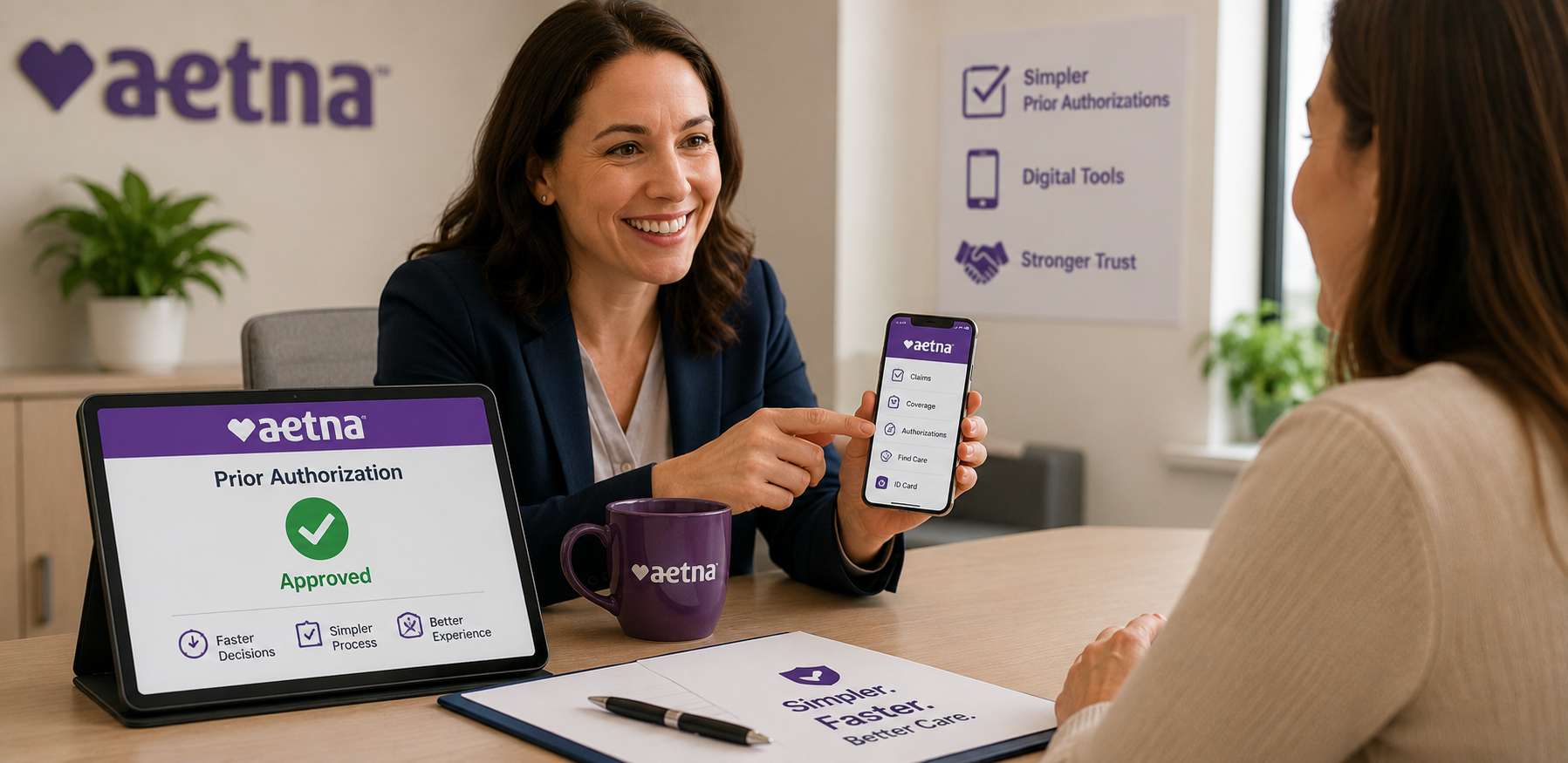
Executives at Aetna, one of the nation's largest health insurers, say simplifying the prior authorization process and expanding the use of digital tools can help improve the relationship between insurers, healthcare providers, and patients.
According to Aetna President Steve Nelson, reducing administrative complexity and making authorization decisions faster can improve access to care while rebuilding confidence in the health insurance system. The comments come as insurers across the United States face increasing scrutiny over prior authorization practices and the administrative burden they place on physicians and patients.
The company says it is investing in technology designed to automate approvals, improve communication, and make the process more transparent for healthcare providers.
What Is Prior Authorization?
Prior authorization is a process in which healthcare providers must obtain approval from a patient's health insurer before certain medications, procedures, diagnostic tests, or treatments will be covered.
The process is intended to ensure that:
- Treatments are medically necessary.
- Evidence-based care is provided.
- Healthcare resources are used appropriately.
- Unnecessary or duplicate services are avoided.
Prior authorization is commonly required for:
- High-cost medications.
- Advanced imaging such as MRI or CT scans.
- Certain surgeries.
- Specialty treatments.
- Some medical devices.
Why Is Prior Authorization Controversial?
Although insurers view prior authorization as an important tool for managing healthcare costs and improving appropriate care, many physicians and patients argue that the process can delay treatment.
Common concerns include:
- Administrative paperwork.
- Delayed approvals.
- Increased workload for healthcare staff.
- Interrupted patient care.
- Delayed access to medications.
Medical organizations have frequently called for reforms that reduce unnecessary administrative requirements while maintaining appropriate clinical oversight.
How Can Digital Tools Help?
Health insurers are increasingly using digital technologies to streamline prior authorization.
Examples include:
- Electronic prior authorization systems.
- Automated eligibility verification.
- Real-time coverage checks.
- Artificial intelligence to review routine requests.
- Integration with electronic health records (EHRs).
- Digital communication between providers and insurers.
These technologies can reduce paperwork, shorten approval times, and improve communication between healthcare organizations.
For routine requests that meet established clinical guidelines, automated systems may provide approvals much more quickly than traditional manual reviews.
Why Trust Matters in Health Insurance
Trust plays an important role in healthcare.
Patients expect:
- Timely access to treatment.
- Clear communication.
- Fair coverage decisions.
- Transparency regarding benefits.
- Reliable customer support.
Healthcare providers also benefit from efficient insurance processes that allow them to focus more time on patient care rather than administrative tasks.
Improving prior authorization has become one of the industry's major goals as insurers seek to strengthen relationships with providers and members.
Industry-Wide Efforts to Modernize
Many insurers have announced initiatives to improve prior authorization by:
- Reducing the number of services requiring approval.
- Accelerating review times.
- Expanding electronic authorization systems.
- Improving transparency.
- Simplifying documentation requirements.
Federal agencies and state governments have also encouraged reforms aimed at reducing administrative burden while maintaining appropriate safeguards against unnecessary healthcare spending.
Industry Impact
- Health Insurers: Companies continue investing in digital technologies that improve efficiency while reducing administrative costs.
- Healthcare Providers: Physicians and hospitals may benefit from faster approvals and reduced paperwork if modernization efforts are successful.
- Patients: Simpler authorization processes may improve access to care and reduce treatment delays.
- Healthcare Technology Companies: Growing demand for digital prior authorization platforms creates opportunities for innovation in healthcare administration.
Why This Matters
Prior authorization affects millions of healthcare decisions every year and remains one of the most frequently discussed administrative challenges in U.S. healthcare.
Efforts to simplify the process through automation and digital tools have the potential to improve efficiency while reducing frustration for both patients and healthcare providers.
Although prior authorization will likely remain an important component of healthcare cost management, ongoing modernization efforts aim to create a system that is faster, more transparent, and less burdensome without compromising clinical oversight.
As healthcare becomes increasingly digital, technology is expected to play a central role in transforming how insurers, providers, and patients interact throughout the care journey.
Key Takeaways
- Aetna says simplifying prior authorization and expanding digital tools can improve trust in health insurance.
- Prior authorization helps insurers determine whether certain treatments meet coverage requirements.
- Physicians and patients have raised concerns that current processes can delay care and increase administrative burden.
- Digital technologies can automate routine approvals and improve communication between providers and insurers.
- The healthcare industry continues working to modernize prior authorization while maintaining appropriate clinical oversight.
What This Means for Healthcare Marketers
The discussion reflects a broader transformation in healthcare administration, where digital technology is becoming just as important as clinical innovation. Health insurers are increasingly investing in automation, interoperability, and data-driven decision-making to simplify administrative processes while improving the experience for both providers and patients. Prior authorization has emerged as a key area where operational efficiency can directly influence access to care and customer satisfaction.
For healthcare marketers, administrative simplification is becoming an important value proposition alongside clinical outcomes. Companies developing health IT platforms, workflow automation tools, artificial intelligence solutions, and interoperability technologies have growing opportunities to demonstrate how their products reduce administrative burden, accelerate care delivery, and strengthen collaboration across the healthcare ecosystem.
For healthcare intelligence teams, insurer modernization initiatives provide valuable insight into the future of healthcare operations. Monitoring investments in digital transformation, prior authorization reform, artificial intelligence, and payer-provider collaboration can help organizations anticipate changing expectations around healthcare efficiency, patient experience, and operational performance.