
Albertsons Accused of Overworking Pharmacists, Contributing to the Opioid Crisis in Washington
What's Happening
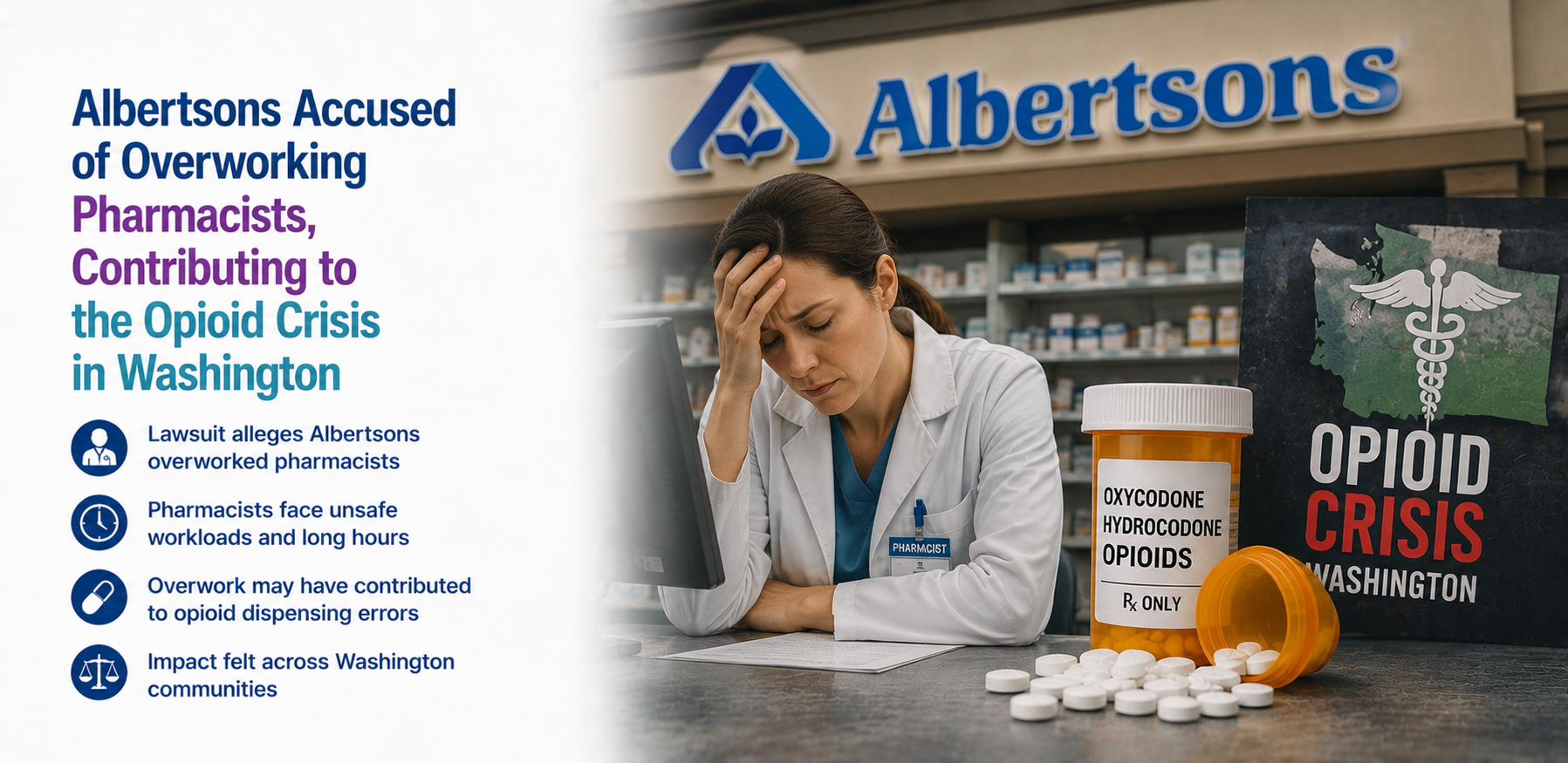
Washington state has filed a lawsuit against Albertsons, alleging that the grocery and pharmacy chain placed excessive workloads on its pharmacists, making it more difficult for them to properly review opioid prescriptions and identify potentially inappropriate dispensing. According to the lawsuit, staffing shortages and performance pressures contributed to unsafe pharmacy practices that fueled the state's opioid epidemic.
Albertsons denies the allegations and says it has always prioritized patient safety while complying with state and federal pharmacy regulations. The case will now move through the legal process, where both sides will present evidence supporting their claims.
The lawsuit highlights the growing focus on the role pharmacies play in preventing prescription drug misuse and ensuring medications are dispensed safely.
Understanding the Opioid Crisis
The opioid epidemic has been one of the most significant public health challenges in the United States over the past two decades.
Opioids include prescription medications used to treat pain, such as:
- Oxycodone
- Hydrocodone
- Morphine
- Fentanyl
While these medicines can be highly effective when used appropriately, prolonged use or misuse can lead to:
- Dependence
- Addiction
- Overdose
- Death
In response, healthcare providers, regulators, pharmacies, and pharmaceutical companies have implemented numerous measures to reduce unnecessary opioid prescribing while ensuring patients with legitimate medical needs continue to receive appropriate care.
Why Pharmacists Play a Critical Role
Pharmacists serve as one of the final safety checkpoints before prescription medications reach patients.
Their responsibilities include:
- Reviewing prescriptions for accuracy.
- Identifying potentially dangerous drug interactions.
- Detecting unusually high opioid dosages.
- Verifying prescriptions that appear suspicious.
- Counseling patients on safe medication use.
- Monitoring compliance with controlled substance regulations.
Because pharmacists are responsible for ensuring medications are dispensed safely, adequate staffing and sufficient time to review prescriptions are considered essential components of patient safety.
What Does Washington's Lawsuit Allege?
According to the lawsuit, Washington alleges that Albertsons:
- Required pharmacists to work under excessive workloads.
- Failed to provide sufficient staffing support.
- Prioritized productivity over patient safety.
- Reduced pharmacists' ability to carefully evaluate opioid prescriptions.
The state argues that these conditions increased the risk that inappropriate opioid prescriptions would be dispensed without adequate review.
Albertsons disputes these allegations and maintains that it operated responsibly while meeting its legal and professional obligations.
The court has not reached any conclusions regarding the claims.
How Pharmacies Help Prevent Opioid Misuse
Modern pharmacies use several safeguards to reduce the risk of inappropriate opioid dispensing.
These include:
- Prescription Drug Monitoring Programs (PDMPs).
- Electronic prescribing systems.
- Clinical review of prescriptions.
- Identity verification.
- Patient counseling.
- Communication with prescribing physicians.
- Internal compliance programs.
These measures are designed to balance two important goals:
- Preventing misuse and diversion.
- Ensuring patients with legitimate pain management needs continue receiving appropriate treatment.
The Growing Focus on Pharmacy Workload
Healthcare organizations across the United States have increasingly raised concerns about pharmacist workloads.
Professional organizations have argued that excessive workloads may contribute to:
- Medication errors.
- Delayed prescription verification.
- Reduced patient counseling.
- Employee burnout.
- Lower quality of care.
Several states have introduced or considered regulations addressing pharmacy staffing, workload standards, and working conditions in an effort to improve patient safety.
Why This Lawsuit Matters
The case extends beyond opioid prescribing.
It also raises broader questions about how pharmacy operations affect healthcare quality.
As community pharmacies provide an expanding range of services, including vaccinations, chronic disease management, health screenings, and medication therapy management, pharmacists are taking on greater clinical responsibilities.
Many healthcare experts believe that maintaining appropriate staffing levels will become increasingly important as pharmacies continue evolving into broader healthcare providers.
Industry Impact
- Community Pharmacies: Pharmacy chains may continue reviewing staffing models, workflow processes, and compliance programs to ensure patient safety.
- Pharmacists: The case highlights ongoing discussions about workplace conditions, staffing levels, and professional responsibilities.
- Regulators: State governments continue evaluating pharmacy practices as part of broader efforts to address the opioid epidemic.
- Patients: Safe pharmacy operations help ensure medications are dispensed appropriately while reducing the risk of prescription drug misuse.
Why This Matters
The lawsuit reflects the continuing evolution of the opioid crisis from one focused primarily on manufacturers and prescribers to one that also examines the role of pharmacies within the healthcare system.
While courts will ultimately determine the merits of Washington's claims, the case emphasizes the importance of giving pharmacists sufficient time, staffing, and resources to perform their clinical responsibilities safely.
It also highlights how patient safety depends not only on individual healthcare professionals but also on the systems and workplace conditions that support safe medication practices.
Key Takeaways
- Washington sued Albertsons, alleging pharmacist understaffing and excessive workloads contributed to unsafe opioid dispensing practices.
- Albertsons denies the allegations and says it complies with pharmacy regulations.
- Pharmacists play a critical role in reviewing opioid prescriptions before medications are dispensed.
- Pharmacy workload and staffing have become growing patient safety concerns across the healthcare industry.
- The lawsuit is part of broader efforts to strengthen safeguards against prescription opioid misuse.
What This Means for Healthcare Marketers
The lawsuit underscores the expanding role of pharmacists as frontline healthcare providers responsible for much more than dispensing medications. As community pharmacies continue providing vaccinations, chronic disease management, medication counseling, and preventive care, operational efficiency and workforce support have become closely linked to patient safety. Organizations serving the pharmacy sector increasingly have opportunities to demonstrate how technology, automation, and workflow improvements can help pharmacists devote more time to clinical decision-making and patient care.
For healthcare marketers, the case reinforces the importance of addressing healthcare workforce challenges alongside clinical innovation. Solutions that improve staffing efficiency, prescription review, clinical decision support, and regulatory compliance are becoming increasingly valuable as pharmacies face growing patient demand and expanding responsibilities.
For healthcare intelligence teams, pharmacy litigation provides insight into broader trends affecting healthcare delivery. Monitoring workforce issues, opioid-related policies, pharmacy regulations, and medication safety initiatives can help organizations anticipate changes in pharmacy practice while identifying opportunities to improve patient outcomes through safer and more efficient medication management.