All U.S. Passengers from Hantavirus-Affected Cruise Ship Have Returned Home, Health Officials Say
What's Happening
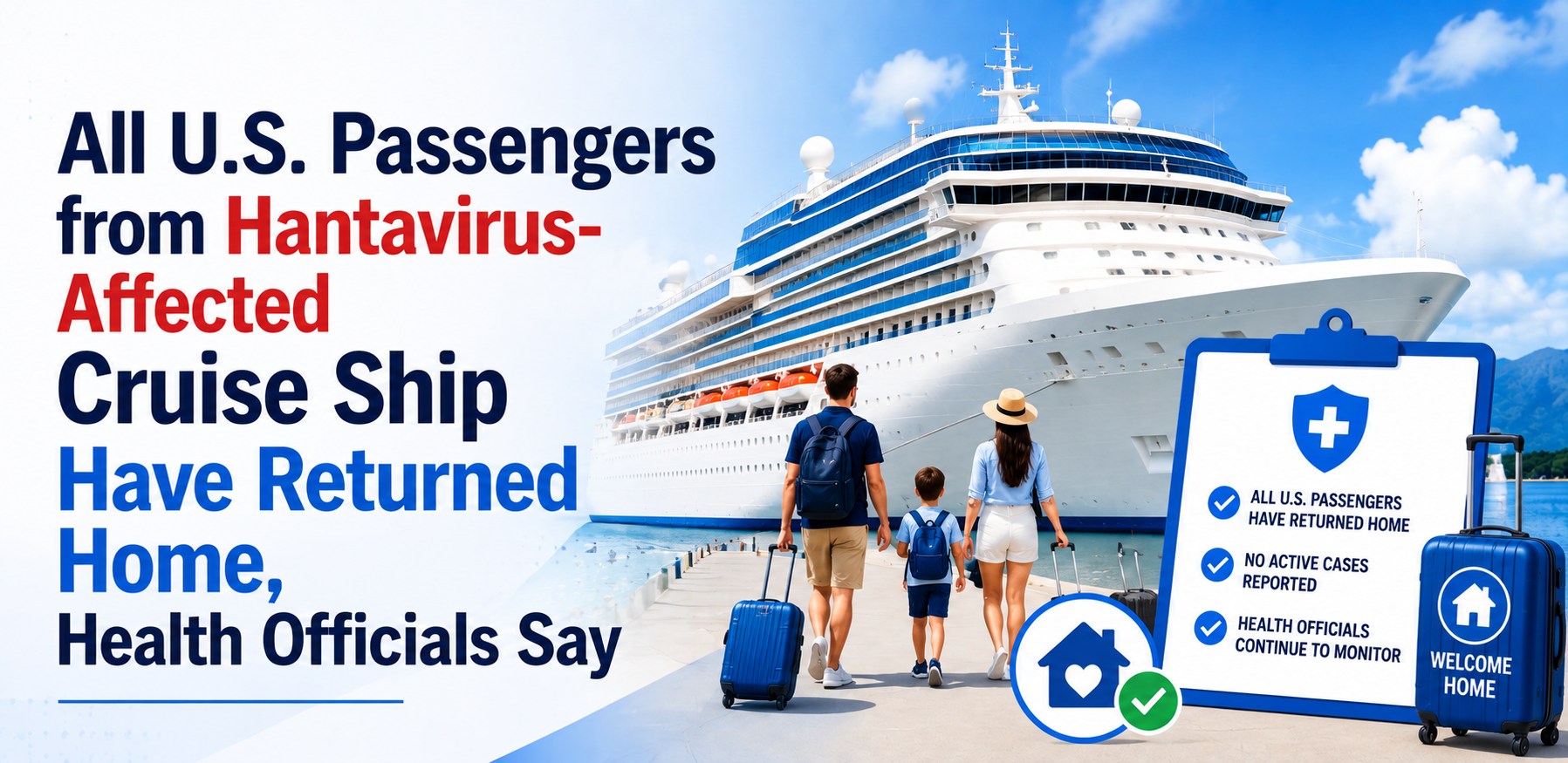
U.S. health officials confirmed that all American passengers who were aboard a cruise ship linked to a hantavirus exposure incident have returned to their home states and are being monitored for potential symptoms.
The situation began after a traveler aboard the ship was diagnosed with hantavirus, a rare but potentially serious disease transmitted primarily through exposure to infected rodents and their droppings. The case prompted public health authorities to identify and contact passengers who may have been exposed during the voyage. Officials emphasized that the risk to the general public remains low. However, because hantavirus infections can become severe and symptoms may take time to appear, health agencies are continuing precautionary monitoring efforts. The incident highlights the importance of disease surveillance and international coordination when potential infectious disease exposures involve travelers from multiple locations.
What Is Hantavirus?
Hantavirus refers to a group of viruses that can cause serious illness in humans. In the United States, hantavirus is most commonly associated with hantavirus pulmonary syndrome (HPS), a rare but potentially life-threatening respiratory disease. People typically become infected through contact with:
- Rodent urine
- Rodent droppings
- Rodent saliva
- Contaminated dust particles
The virus is not commonly spread through casual person-to-person contact. Most cases occur when individuals unknowingly disturb areas contaminated by infected rodents, allowing virus-containing particles to become airborne and inhaled. Although infections are uncommon, health authorities take them seriously because severe cases can progress rapidly.
What Are the Symptoms?
Early symptoms of hantavirus infection often resemble those of other viral illnesses. Patients may initially experience:
- Fever
- Fatigue
- Muscle aches
- Headaches
- Chills
- Nausea
As the illness progresses, some patients develop more serious respiratory symptoms, including:
- Shortness of breath
- Persistent coughing
- Difficulty breathing
- Fluid accumulation in the lungs
Severe cases may require hospitalization and intensive medical care. Because early symptoms can appear similar to many other illnesses, healthcare providers often rely on patient history and exposure information when evaluating potential cases.
Why Public Health Officials Are Monitoring Passengers
When an infectious disease exposure is identified in a travel setting, health agencies often initiate contact-tracing and monitoring procedures. The objective is to:
- Identify potentially exposed individuals
- Provide health guidance
- Monitor for symptoms
- Ensure timely medical evaluation if needed
In this case, authorities worked to locate passengers and notify them of the situation. Although hantavirus does not typically spread easily between people, monitoring remains important because passengers may have shared environments where exposure occurred. Early detection can improve patient outcomes by helping individuals seek medical attention quickly if symptoms develop.
Why Cruise Ships Receive Special Attention
Cruise ships often receive heightened public health scrutiny because they bring together large numbers of travelers from different regions. A single voyage may include passengers from:
- Multiple states
- Multiple countries
- Different age groups
- Diverse health backgrounds
As a result, even rare disease incidents can require extensive coordination among health agencies. Public health officials have developed detailed protocols for managing potential disease exposures involving ships, aircraft, and other transportation systems. These procedures became even more sophisticated following the COVID-19 pandemic, which highlighted the importance of rapid communication and outbreak response.
The Role of Disease Surveillance
Disease surveillance is one of the most important tools used by public health agencies. The process involves:
- Tracking reported illnesses
- Identifying unusual disease patterns
- Monitoring potential outbreaks
- Coordinating responses across jurisdictions
When a rare disease such as hantavirus is detected, surveillance systems help authorities determine whether additional cases exist, who may have been exposed, and whether broader public health risks are present. The ability to rapidly identify and communicate potential exposures plays a critical role in limiting health risks and supporting appropriate medical care.
Why Rare Diseases Still Matter
Although diseases such as COVID-19, influenza, and RSV receive significant attention because of their widespread impact, public health agencies must also remain prepared for rare diseases. Rare infections can still present important challenges because:
- Healthcare providers may encounter them infrequently.
- Symptoms may resemble more common illnesses.
- Specialized testing may be required.
- Public awareness may be limited.
Maintaining preparedness for both common and uncommon diseases is an important part of modern public health strategy. The hantavirus incident demonstrates how health agencies remain vigilant even when overall risks are low.
What Health Officials Are Saying
Officials continue to emphasize that the risk to the broader public is minimal. Most passengers are expected to remain healthy, and monitoring efforts are largely precautionary. However, health authorities encourage individuals who may have been exposed to:
- Watch for symptoms.
- Follow public health guidance.
- Seek medical attention if illness develops.
- Inform healthcare providers about potential exposure history.
These steps help ensure that any potential infections can be identified and managed as quickly as possible.
Industry Impact
- Public Health Agencies: Health departments continue strengthening disease surveillance and traveler-monitoring capabilities.
- Travel and Cruise Industry: Operators remain focused on health screening, passenger communication, and outbreak preparedness.
- Healthcare Providers: Clinicians may be advised to remain alert for symptoms among potentially exposed travelers.
- Travelers: The incident reinforces the importance of reporting symptoms and following public health guidance after potential exposures.
Why This Matters
The hantavirus incident illustrates how modern public health systems respond to even rare disease threats. While the overall risk appears low, the coordinated effort to identify passengers, communicate guidance, and monitor potential symptoms demonstrates the extensive infrastructure that exists to manage infectious disease concerns. The case also highlights how travel can complicate public health responses by involving individuals across multiple states and jurisdictions. As global travel continues to expand, rapid disease detection and coordinated communication will remain essential components of public health preparedness.
Key Takeaways
- All U.S. passengers from a cruise ship linked to a hantavirus exposure have returned home.
- Health officials are monitoring passengers as a precaution.
- Hantavirus is a rare disease usually associated with exposure to infected rodents.
- The risk to the general public remains low.
- The incident highlights the importance of disease surveillance and coordinated public health responses.
What This Means for Healthcare Marketers
This story highlights the growing importance of public health preparedness and disease surveillance infrastructure. For healthcare marketers, infectious disease monitoring extends far beyond major outbreaks. Healthcare organizations, diagnostics companies, public health agencies, laboratory networks, and health technology providers all play important roles in identifying and responding to potential disease threats.
The incident also demonstrates the value of rapid communication systems in healthcare. Organizations that can efficiently collect, analyze, and distribute health information may become increasingly important as public health agencies seek to strengthen outbreak detection and response capabilities. For healthcare intelligence teams, even rare disease events can provide insight into preparedness priorities, surveillance investments, and emerging public health needs. Monitoring these developments can help identify future opportunities in diagnostics, healthcare data, population health, and emergency response solutions. More broadly, the story reinforces a lesson that has become increasingly clear in recent years: strong surveillance and preparedness systems are essential not only for managing large-scale outbreaks but also for responding effectively to smaller, localized public health events.