What’s Happening
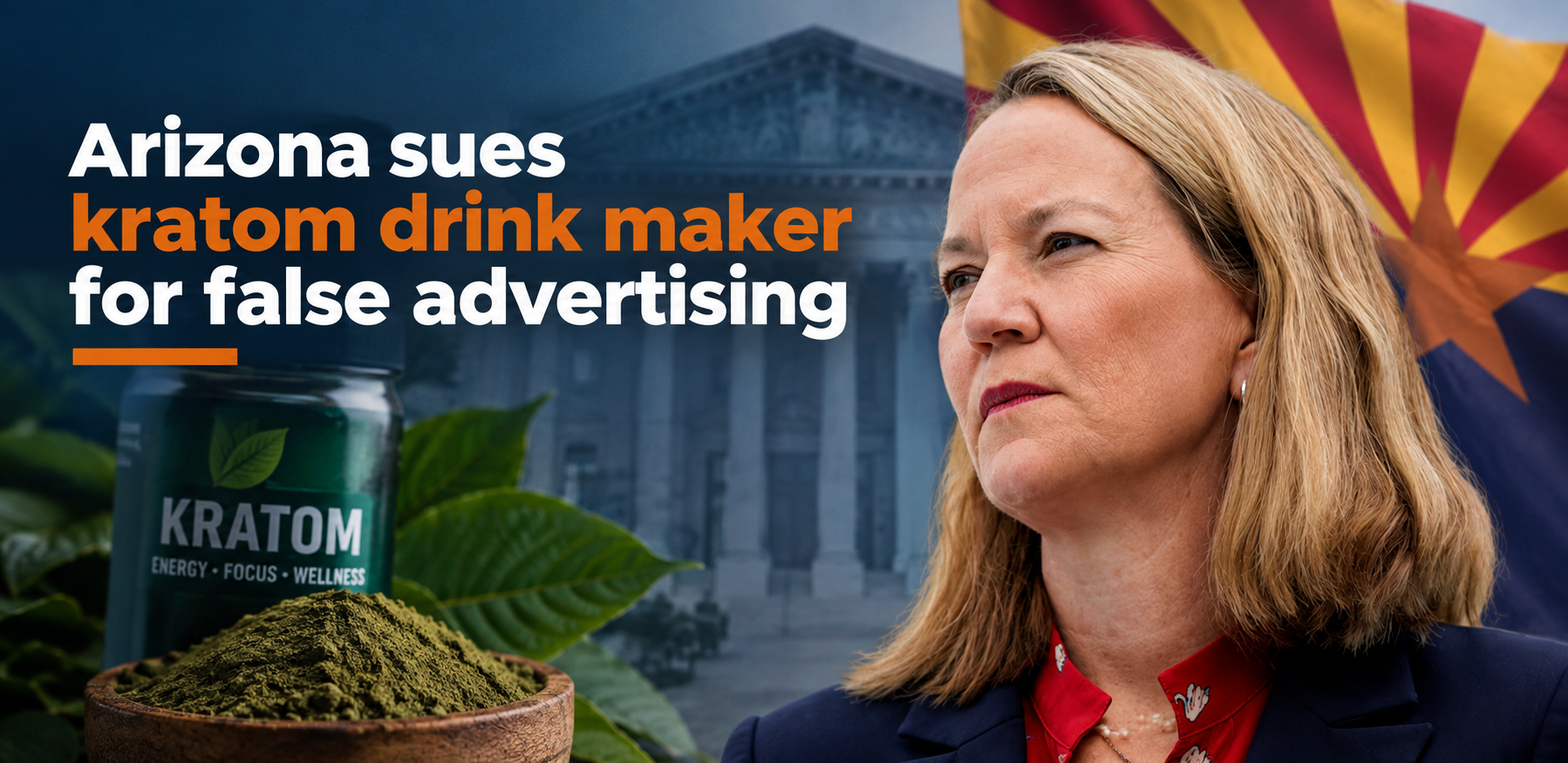
The state of Arizona has filed a lawsuit against a company that makes kratom-based drinks, accusing it of false advertising and misleading consumers about the safety and effects of its products.
The lawsuit was filed against Kratom Products International, which sells drinks containing kratom.
Arizona Attorney General Kris Mayes said the company marketed its products in ways that could make consumers believe the drinks were safer and more beneficial than the available evidence supports.
The lawsuit is part of a broader effort by authorities to scrutinize companies selling kratom products, particularly products marketed as alternatives to alcohol or other substances.
What Is Kratom?
Kratom is a plant native to Southeast Asia.
Its leaves contain naturally occurring compounds that can affect the brain and nervous system.
Depending on the amount consumed, kratom products can produce different effects, including stimulation or sedation.
Kratom products are sold in different forms, including:
- Drinks
- Powders
- Capsules
- Extracts
- Gummies
The products have become increasingly available in the United States, but their safety and medical effects remain a subject of debate.
The U.S. Food and Drug Administration has not approved kratom as a medical treatment for any disease or condition.
What Is Arizona Accusing the Company Of?
Arizona's lawsuit alleges that the company made claims about its kratom drinks that were not adequately supported by scientific evidence.
The state argues that some of the company's marketing could give consumers the impression that the products provide certain health or wellness benefits.
The lawsuit also raises concerns about how the products are presented to consumers and whether the company's advertising gives people enough information about potential risks.
The allegations are claims made by the state and have not been proven in court.
The company will have an opportunity to respond to the allegations as the legal case proceeds.
Why Is Kratom Getting More Attention?
Kratom has become increasingly popular in the United States, particularly among consumers looking for products that can alter mood or provide relaxation.
Some companies market kratom products as part of the growing non-alcoholic beverage and wellness market.
This has attracted attention from state and federal regulators because consumers may not always understand the potential risks associated with these products.
The FDA has previously warned about the potential risks of kratom and has raised concerns about products containing kratom compounds.
There are also differences between states in how kratom is regulated.
Some states have introduced restrictions or regulations, while others allow kratom products to be sold with fewer limitations.
What’s Changing / Business Impact
Arizona's lawsuit could increase pressure on companies selling kratom products to review how they advertise and describe their products.
Companies operating in this market may need to be more careful about claims involving:
- Health benefits
- Safety
- Pain relief
- Addiction or substance-use alternatives
- Mood or mental wellbeing
- Medical effects
Healthcare and consumer-protection authorities can challenge marketing claims when they believe companies are misleading customers or making claims that are not supported by sufficient evidence.
For companies selling products in emerging healthcare and wellness categories, this creates an important distinction between marketing a product's actual characteristics and making medical claims about what it can do.
Why This Matters
The case is important because it shows how the growing wellness and alternative-health market is attracting greater regulatory attention.
Consumers increasingly encounter products that are marketed somewhere between traditional food and beverages and healthcare products.
That can create confusion about whether a product has actually been tested or approved as a medical treatment.
For companies in these markets, clear and accurate communication is important because misleading claims can lead to legal and financial consequences.
The case also shows how state authorities can take action even when federal rules around a particular product are still developing.
Looking Ahead
Arizona's lawsuit will now move through the legal process.
The court will consider the state's allegations and the company's response.
The case could provide further guidance about what types of claims companies can make when marketing kratom products to consumers.
Regulators in other states may also continue examining how kratom is marketed and sold.
As the market grows, companies may face greater pressure to provide clearer information about ingredients, potential risks and the evidence supporting any health-related claims.
What This Means for Healthcare Marketers
For healthcare marketers, the case is a reminder that marketing claims need to be supported by evidence, particularly when a product is connected to health or wellness.
Marketers working with healthcare, pharmaceutical, wellness or consumer health companies should pay attention to:
- Regulatory actions
- Advertising rules
- Scientific evidence behind product claims
- Consumer-protection lawsuits
- State-level regulations
- Changes in product categories
When a company enters an emerging healthcare market, marketing teams need to understand not only the audience and product but also the regulatory environment surrounding the claims they make.
A product can have strong consumer demand, but unsupported health claims can create significant legal and reputational risks.
For healthcare marketers, regulatory developments like this can also signal when a market is becoming more closely monitored and when companies may need additional support with compliance, communications, research and evidence-based marketing.
Key Takeaways
- Arizona sued a kratom drink maker, accusing the company of false advertising.
- The state alleges that the company's marketing made claims about its products that were not adequately supported by evidence.
- Kratom is a plant-based product whose effects can vary depending on the amount consumed.
- The FDA has not approved kratom as a medical treatment for any disease or condition.
- Kratom products are increasingly being sold as drinks and other consumer products in the U.S.
- The lawsuit highlights growing regulatory attention toward health and wellness products making medical or safety-related claims.
- The allegations against the company are not yet proven in court.
- For healthcare marketers, the case reinforces the importance of evidence-based claims and understanding changing regulatory requirements.