BeOne Invests $300 Million to Expand U.S. Manufacturing, Strengthening Domestic Biopharmaceutical Production
What's Happening
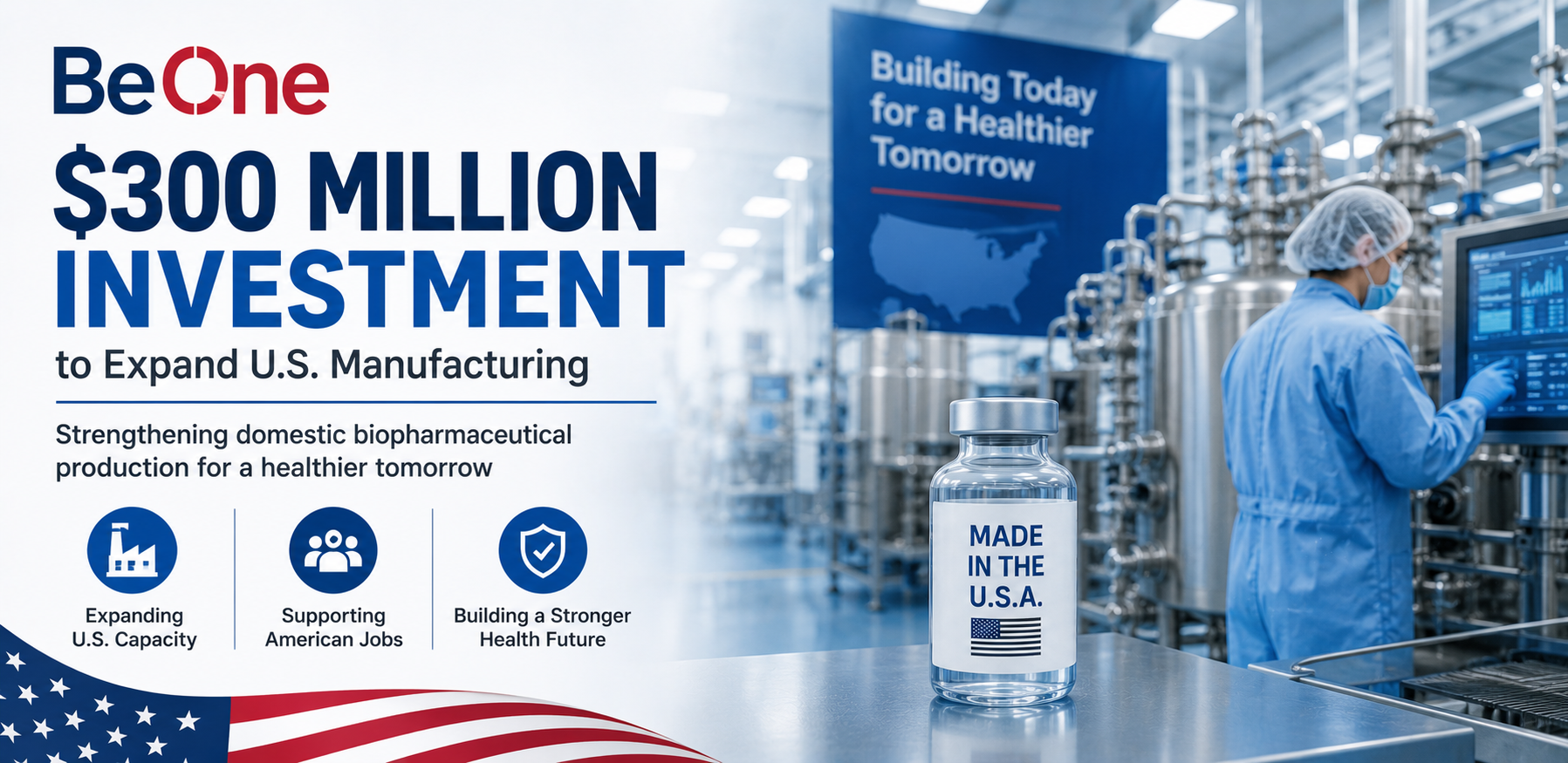
Global oncology company BeOne Medicines has announced plans to invest $300 million to expand its manufacturing operations in the United States, reinforcing a growing industry trend toward increasing domestic production of medicines.
The investment will be used to expand one of the company's U.S. manufacturing facilities, increasing production capacity for biologic medicines and supporting its growing portfolio of cancer therapies. The expansion is expected to create new jobs, strengthen supply chain resilience, and improve the company's ability to meet rising demand for innovative treatments.
The announcement comes as pharmaceutical manufacturers across the industry continue shifting portions of their production closer to key markets in response to supply chain disruptions, geopolitical uncertainty, and increasing demand for advanced biologic therapies.
For the U.S. healthcare industry, the investment represents another example of how manufacturers are prioritizing domestic production to improve long-term reliability and accelerate access to critical medicines.
Why Pharmaceutical Manufacturing Is Changing
The COVID-19 pandemic exposed vulnerabilities in the global pharmaceutical supply chain.
Manufacturers experienced disruptions involving:
- Active pharmaceutical ingredient (API) production.
- International shipping delays.
- Raw material shortages.
- Manufacturing bottlenecks.
- Limited production capacity for essential medicines.
These challenges prompted pharmaceutical companies to rethink where and how medicines are manufactured.
Rather than relying heavily on a small number of overseas facilities, many organizations are investing in geographically diversified production networks that improve resilience while reducing the risk of future disruptions.
As a result, the United States has become an increasingly attractive location for pharmaceutical manufacturing, particularly for complex biologic medicines that require advanced production capabilities.
Why Biologics Require Specialized Manufacturing
Unlike traditional medicines produced through chemical synthesis, biologic therapies are manufactured using living cells and highly controlled biological processes.
These therapies include:
- Monoclonal antibodies.
- Cell therapies.
- Gene therapies.
- Immunotherapies.
- Targeted oncology treatments.
Producing biologics is considerably more complex than manufacturing conventional pharmaceuticals.
Facilities must maintain:
- Highly sterile production environments.
- Sophisticated quality control systems.
- Advanced laboratory testing.
- Specialized bioprocessing equipment.
- Strict regulatory compliance throughout manufacturing.
Because of this complexity, expanding biologics manufacturing often requires significant long-term capital investment.
The $300 million expansion reflects the growing importance of manufacturing capacity as companies prepare for increasing demand across oncology and other specialty therapeutic areas.
Oncology Continues to Drive Biopharmaceutical Growth
Cancer remains one of the fastest-growing areas of pharmaceutical innovation.
Advances in precision medicine, immunotherapy, and targeted therapies have transformed treatment for many patients, leading to a rapidly expanding pipeline of biologic medicines.
As more therapies receive regulatory approval, manufacturers must ensure they have sufficient production capacity to:
- Support clinical trials.
- Launch new products.
- Meet commercial demand.
- Supply hospitals and infusion centers.
- Expand globally without disrupting existing production.
Manufacturing has therefore become a strategic competitive advantage rather than simply an operational function.
Companies capable of scaling production efficiently are often better positioned to bring new therapies to patients more quickly.
Industry Impact
- Pharmaceutical Manufacturers: BeOne's investment reflects a broader industry movement toward expanding domestic manufacturing capacity. Other pharmaceutical companies are making similar investments to strengthen supply chain resilience, reduce geopolitical risk, and prepare for future demand.
- Healthcare Providers: Reliable manufacturing capacity helps ensure consistent availability of essential oncology therapies, reducing the likelihood of shortages that can disrupt patient treatment.
- Patients: Expanded production capacity may improve long-term access to innovative cancer medicines while supporting faster distribution of newly approved therapies.
- Life Sciences Supply Chain: The expansion is expected to generate additional demand for bioprocessing equipment, laboratory technologies, manufacturing automation, packaging services, cold-chain logistics, and quality assurance solutions, creating opportunities across the broader life sciences ecosystem.
A Broader Shift Toward U.S. Manufacturing
Over the past several years, pharmaceutical manufacturing has become an important strategic priority for both industry and government.
Companies are increasingly balancing global efficiency with regional resilience by investing in manufacturing facilities closer to major patient populations.
Several factors are accelerating this trend:
- Rising demand for biologic medicines.
- Increasing geopolitical uncertainty.
- Greater emphasis on supply chain security.
- Government incentives supporting domestic manufacturing.
- Continued growth in precision medicine and advanced therapeutics.
Rather than replacing global production networks, these investments are creating more diversified manufacturing strategies that improve flexibility during future disruptions.
Why This Matters
Manufacturing capacity has become a critical component of healthcare innovation.
Scientific breakthroughs can only reach patients if companies have the infrastructure needed to produce therapies safely, consistently, and at scale.
BeOne's investment demonstrates that manufacturing is no longer viewed simply as an operational necessity. It has become a strategic driver of competitiveness, supply chain resilience, and patient access.
As oncology pipelines continue expanding and biologic medicines account for a larger share of pharmaceutical innovation, investments in advanced manufacturing are expected to accelerate across the healthcare industry.
For healthcare organizations, policymakers, and patients alike, stronger domestic manufacturing capacity supports a more resilient healthcare system capable of delivering lifesaving therapies when they are needed most.
Key Takeaways
- BeOne Medicines will invest $300 million to expand its U.S. manufacturing operations.
- The expansion will increase production capacity for biologic medicines and support the company's growing oncology portfolio.
- The investment reflects a broader pharmaceutical industry trend toward strengthening domestic manufacturing and supply chain resilience.
- Growing demand for biologic therapies is driving increased investment in advanced manufacturing infrastructure.
- Expanded production capacity can improve long-term access to innovative medicines while supporting a more resilient healthcare supply chain.
What This Means for Healthcare Marketers
BeOne's expansion highlights the growing strategic importance of pharmaceutical manufacturing as companies scale production for next-generation therapies. Organizations involved in bioprocessing, manufacturing technologies, laboratory automation, cold-chain logistics, quality systems, and supply chain analytics should expect continued investment as pharmaceutical companies strengthen domestic production capabilities. For healthcare marketers, manufacturers expanding facilities often represent high-intent organizations investing in equipment, technology, workforce development, and operational partnerships, making manufacturing expansion announcements valuable indicators of future commercial opportunities.