Extreme Heat Poses Growing Health Risks Across the United States, Experts Warn
What's Happening
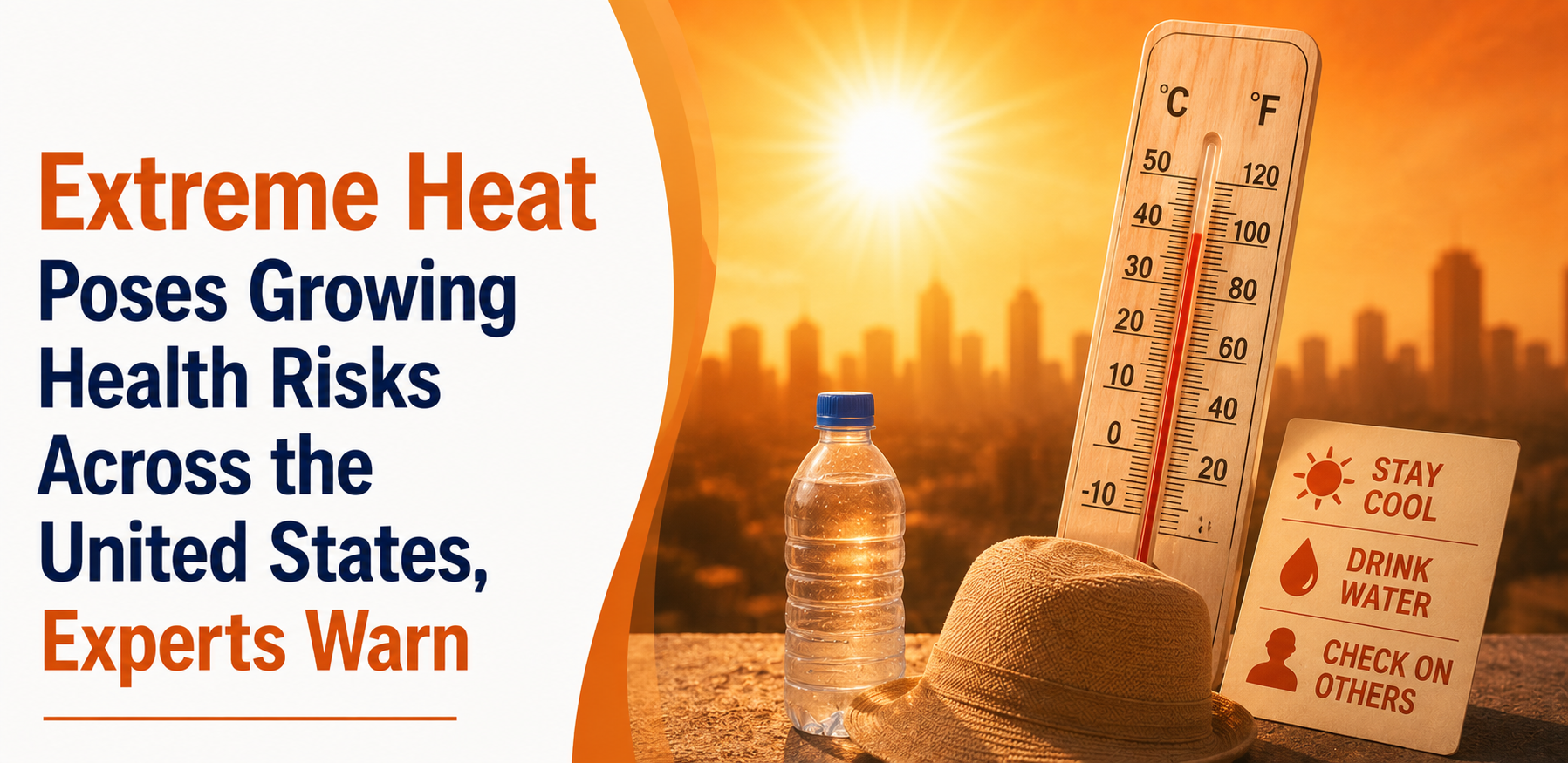
Health experts are warning that extreme heat is becoming one of the most serious and underestimated public health threats in the United States as large portions of the country experience unusually high temperatures.
Meteorologists and public health officials have issued heat advisories across multiple states, with some areas experiencing temperatures high enough to increase the risk of heat-related illnesses, hospitalizations, and deaths. While many people associate severe weather threats with hurricanes, floods, or winter storms, public health experts note that extreme heat consistently causes more weather-related deaths in the United States than many other natural hazards.
The concern extends beyond short-term discomfort. Researchers increasingly view heat as a significant health issue that affects vulnerable populations, strains healthcare systems, and creates long-term public health challenges. As climate patterns continue to change, experts expect heat-related health risks to become more frequent and more severe.
Why Extreme Heat Is Dangerous
The human body relies on several mechanisms to regulate temperature. When temperatures rise, the body attempts to cool itself through:
- Sweating
- Increased blood flow to the skin
- Changes in heart rate
However, prolonged exposure to extreme heat can overwhelm these natural cooling systems. When that happens, individuals may experience:
- Dehydration
- Heat exhaustion
- Heat cramps
- Heat stroke
- Cardiovascular stress
In severe cases, heat-related illnesses can become life-threatening and require emergency medical treatment. Heat stroke is particularly dangerous because it can cause organ damage, neurological complications, and death if not treated quickly.
Who Is Most at Risk?
Although anyone can be affected by extreme heat, certain populations face significantly higher risks.
- Older Adults: Aging can reduce the body's ability to regulate temperature efficiently. Many older adults also have chronic medical conditions that increase vulnerability during heat waves.
- Children: Young children are less able to regulate body temperature than healthy adults and may become dehydrated more quickly.
- People with Chronic Illnesses: Conditions such as heart disease, diabetes, kidney disease, and respiratory disorders can increase the risk of heat-related complications.
- Outdoor Workers: Construction workers, agricultural workers, delivery personnel, and others who spend long periods outdoors face elevated exposure risks.
- Low-Income Communities: Limited access to air conditioning, transportation, and healthcare resources can make it more difficult to avoid dangerous heat conditions.
Public health officials often focus outreach efforts on these vulnerable groups during major heat events.
Why Heat Affects More Than Physical Health
The impact of extreme heat extends beyond traditional heat-related illnesses. Research has linked high temperatures to:
- Cardiovascular Problems: The heart works harder to help cool the body, increasing strain on individuals with existing cardiovascular conditions.
- Kidney Injuries: Severe dehydration can impair kidney function and contribute to acute kidney injuries.
- Respiratory Issues: Hot weather can worsen air quality and increase symptoms for people with asthma and other respiratory diseases.
- Mental Health Effects: Studies suggest that prolonged heat exposure may contribute to stress, anxiety, sleep disturbances, and worsening mental health symptoms.
- Medication Challenges: Certain medications can affect hydration, sweating, or temperature regulation, increasing vulnerability during heat waves.
Because heat affects multiple body systems, healthcare providers increasingly view it as a broad public health challenge rather than a simple environmental issue.
Why Healthcare Systems Are Paying Attention
Hospitals and emergency departments often see increased patient volumes during periods of extreme heat. Common reasons for heat-related healthcare visits include:
- Dehydration
- Heat exhaustion
- Heat stroke
- Cardiovascular events
- Respiratory complications
Healthcare systems must also manage indirect effects. For example, power outages caused by high energy demand can disrupt medical equipment, refrigeration for medications, and access to cooling resources. Some hospitals now incorporate heat-response planning into emergency preparedness strategies, recognizing that extreme weather events can place significant strain on healthcare infrastructure.
The Growing Role of Climate and Public Health
Extreme heat has become a major focus of public health research. Scientists are studying how changing climate patterns may influence heat-related illness rates, healthcare utilization, disease patterns, community resilience, and emergency preparedness needs. Many cities are investing in strategies designed to reduce heat-related health risks, including cooling centers, public warning systems, urban tree-planting programs, heat-response plans, and community outreach initiatives. Public health officials increasingly emphasize that preventing heat-related illness requires coordinated action from healthcare systems, governments, employers, and communities.
How People Can Protect Themselves
Health experts recommend several strategies during periods of extreme heat:
- Drink water regularly.
- Limit strenuous outdoor activity during peak temperatures.
- Wear lightweight clothing.
- Seek air-conditioned environments when possible.
- Check on elderly relatives and neighbors.
- Monitor weather advisories.
- Recognize early symptoms of heat-related illness.
Prompt action can significantly reduce the risk of serious complications. Healthcare providers stress that prevention remains the most effective strategy because severe heat-related illnesses can develop rapidly.
Industry Impact
- Healthcare Providers: Hospitals and clinics often experience increased demand during major heat events.
- Public Health Agencies: Officials continue expanding heat preparedness and community outreach programs.
- Employers: Organizations with outdoor workers face growing pressure to strengthen heat-safety measures.
- Insurers: Heat-related illnesses contribute to healthcare utilization and associated costs.
Why This Matters
Extreme heat is increasingly being recognized as a major healthcare issue rather than simply a weather event. The health consequences affect millions of people and create challenges for healthcare systems, employers, communities, and policymakers. As temperatures continue rising in many regions, healthcare organizations are likely to devote greater attention to prevention, preparedness, and public education.
The issue also illustrates how environmental conditions can have direct and measurable impacts on public health outcomes. Understanding these risks will become increasingly important as communities adapt to changing climate conditions and growing healthcare demands.
Key Takeaways
- Extreme heat remains one of the leading weather-related health threats in the United States.
- Heat exposure can cause dehydration, heat exhaustion, heat stroke, and other serious medical problems.
- Older adults, children, outdoor workers, and individuals with chronic illnesses face the highest risks.
- Healthcare systems often experience increased demand during major heat events.
- Public health experts expect heat-related challenges to grow in the coming years.
What This Means for Healthcare Marketers
Extreme heat is emerging as an increasingly important public health issue with broad implications across the healthcare ecosystem. For healthcare marketers, rising heat-related health risks create opportunities for organizations involved in population health, chronic disease management, emergency preparedness, telehealth, community health programs, and environmental health services. As healthcare systems invest more resources in climate-related preparedness, demand for solutions that help identify, monitor, and protect vulnerable populations may continue growing.
The story also highlights the growing intersection between environmental factors and healthcare outcomes. Organizations that can connect public health data, predictive analytics, and patient engagement strategies may be better positioned to support healthcare providers and communities facing climate-related health challenges. For healthcare intelligence teams, heat-related health trends can serve as valuable indicators of future healthcare utilization patterns, resource needs, and public health priorities. Monitoring these developments may help organizations anticipate emerging healthcare challenges and identify new areas for innovation.
More broadly, the issue demonstrates that healthcare is increasingly influenced by factors beyond traditional clinical settings, making environmental health an important area of focus for the future of healthcare delivery and population health management.