FDA Advisers Vote in Favor of Moderna's Flu Vaccine
What's Happening
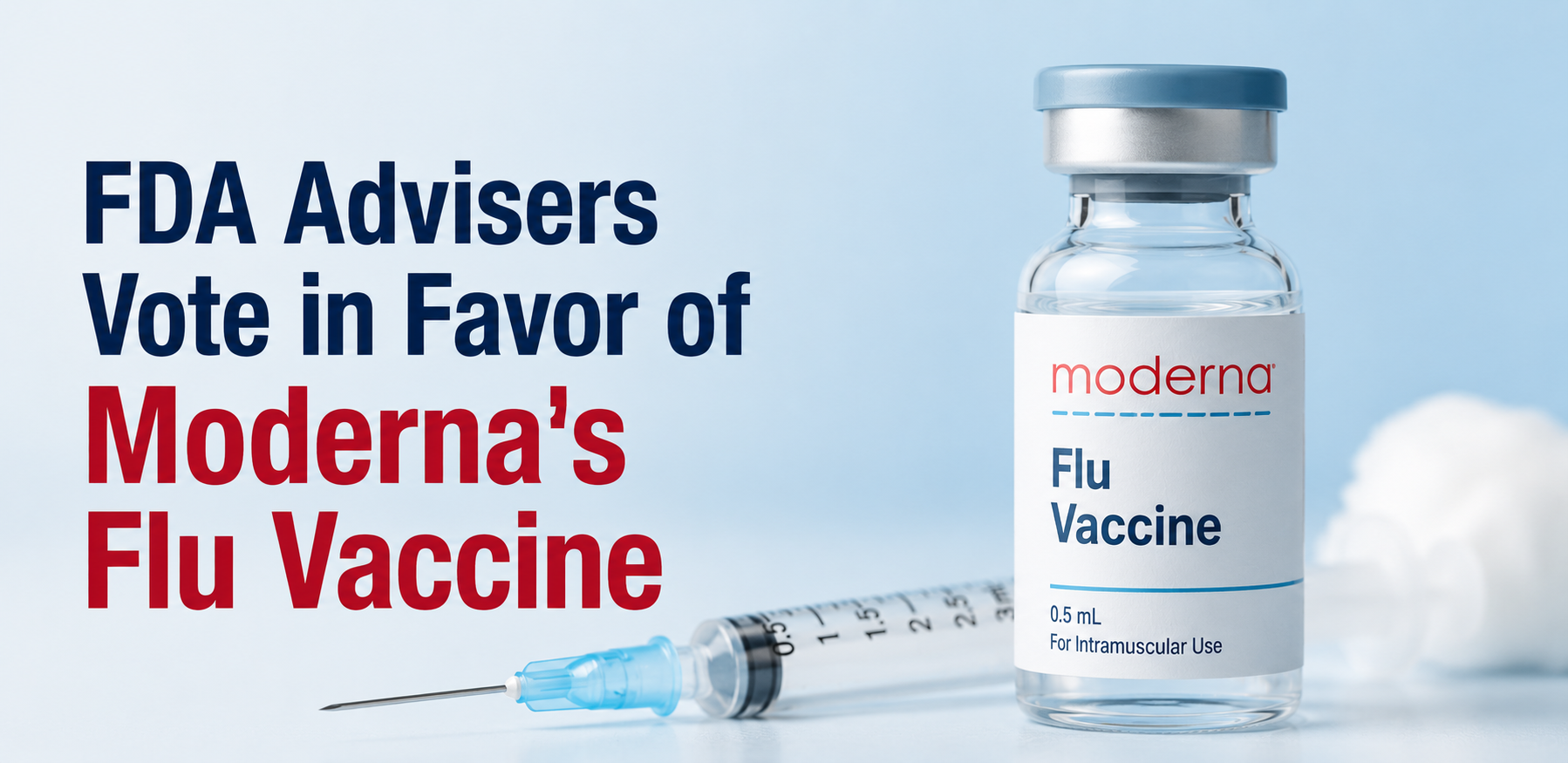
An independent panel of FDA advisers voted in favor of recommending Moderna's experimental flu vaccine, bringing the company one step closer to launching the first mRNA-based influenza vaccine in the United States.
The advisory committee concluded that the available evidence supports the vaccine's effectiveness and that its benefits outweigh potential risks for the intended patient population.
While the vote does not automatically result in approval, advisory committee recommendations often carry significant weight during the FDA's final review process.
The decision represents an important milestone not only for Moderna but also for the broader mRNA vaccine field, which has been searching for opportunities to expand beyond COVID-19.
If ultimately approved, Moderna's vaccine could become the first major new flu vaccine platform introduced in decades.
Why This Vote Matters
Advisory committee meetings are among the most closely watched events in healthcare regulation. Before approving many high-profile products, the FDA often asks outside experts to review clinical data and publicly discuss:
- Safety
- Effectiveness
- Study design
- Potential risks
- Public-health implications
These meetings provide transparency and allow independent experts to challenge company data before regulators make final decisions. Although the FDA is not required to follow advisory committee recommendations, it frequently does. As a result, a favorable vote is generally viewed as a positive signal that approval may be more likely. For Moderna, the outcome provides important validation after months of regulatory uncertainty surrounding the vaccine's review process.
How Moderna's Flu Vaccine Works
The vaccine uses messenger RNA (mRNA) technology, the same platform Moderna used to develop its COVID-19 vaccine. Traditional flu vaccines typically introduce weakened virus components or viral proteins designed to trigger an immune response.
mRNA vaccines work differently. Instead of directly introducing viral proteins, they provide genetic instructions that teach the body's cells to produce specific proteins associated with the virus. The immune system then learns to recognize and respond to those proteins.
Supporters of mRNA technology believe it offers several potential advantages:
- Faster vaccine development
- Greater manufacturing flexibility
- Easier adaptation to changing viral strains
- Potentially stronger immune responses
The success of mRNA technology during the COVID-19 pandemic accelerated efforts to apply the platform to other diseases. Influenza has become one of the most important targets.
Why Flu Vaccines Need Innovation
Influenza remains one of the most persistent infectious diseases worldwide. Every year, seasonal flu contributes to:
- Millions of infections
- Hundreds of thousands of hospitalizations
- Significant healthcare costs
- Thousands of deaths
One challenge is that influenza viruses constantly evolve. Scientists must predict which strains are most likely to circulate months before each flu season begins. If those predictions are inaccurate, vaccine effectiveness can decline.
Researchers hope that newer vaccine technologies may eventually improve protection and provide greater flexibility when responding to viral changes. This is one reason healthcare organizations have shown strong interest in mRNA-based flu vaccines.
The Road Has Not Been Easy for Moderna
The positive advisory vote follows several months of regulatory challenges. Earlier in the year, Moderna faced questions regarding aspects of its clinical trial design and whether the company had used the most appropriate comparison vaccines in older adults.
Regulators requested additional information and engaged in extensive discussions with the company before allowing the review process to continue. The advisory committee's favorable vote suggests that the available evidence was ultimately strong enough to satisfy many of the scientific concerns raised during earlier stages of review. However, some experts continue emphasizing the need for long-term data, particularly among older and higher-risk patient populations.
Why Older Adults Are a Major Focus
Much of the discussion surrounding the vaccine centers on adults aged 65 and older. This group experiences the highest rates of:
- Flu-related hospitalizations
- Severe complications
- Influenza-related deaths
Improving protection in older adults has long been a major goal for vaccine developers. Even modest improvements in vaccine effectiveness could potentially prevent thousands of hospitalizations and save lives during severe flu seasons. As a result, regulators closely examined how Moderna's vaccine performed in this population before issuing their recommendation.
What Happens Next?
The advisory committee vote is an important milestone, but it is not the final step. The FDA will now conduct its own review before making a final approval decision. If approved, Moderna could begin commercializing the vaccine ahead of future flu seasons. Healthcare providers, pharmacies, and public-health agencies would then evaluate how the new vaccine fits within existing vaccination programs. The decision will also be closely watched by other vaccine developers pursuing mRNA-based products. A successful approval could further strengthen confidence in the platform's future applications.
Industry Impact
- Vaccine Manufacturers: The vote increases pressure on competitors developing next-generation flu vaccines and may accelerate investment in mRNA technologies.
- Healthcare Providers: Clinicians could gain access to a new vaccine option if the FDA grants final approval.
- Public Health Agencies: Officials continue seeking more effective tools to reduce seasonal influenza burden.
- Investors: The outcome is viewed as an important test of Moderna's strategy to diversify beyond COVID-related products.
Why This Matters
The advisory committee's decision extends beyond a single product. It represents another major test of whether mRNA technology can successfully expand into routine vaccination programs outside pandemic settings. The healthcare industry has invested billions of dollars in mRNA research over the past several years. Success in influenza could encourage additional development across:
- RSV
- Cancer vaccines
- Infectious diseases
- Personalized medicine
- Combination vaccines
The outcome therefore has implications not only for Moderna but for the broader future of vaccine innovation.
Key Takeaways
- FDA advisers voted in favor of Moderna's flu vaccine.
- The vaccine uses mRNA technology similar to Moderna's COVID vaccine.
- The recommendation moves the product closer to potential FDA approval.
- Older adults remain a key focus because they face the highest flu-related risks.
- The decision could influence future development of mRNA-based healthcare products.
What This Means for Healthcare Marketers
This vote highlights how regulatory milestones often serve as leading indicators of future market activity. For healthcare marketers, vaccine approvals frequently trigger increased investment across provider education, public-health outreach, reimbursement planning, patient engagement, and commercialization efforts. Organizations supporting these activities may see new opportunities emerge as products move closer to market.
The story also reinforces the growing importance of mRNA technology as a healthcare platform rather than a single-product category. Companies involved in vaccines, infectious diseases, manufacturing, diagnostics, and life sciences should continue monitoring developments because successful approvals can influence investment priorities across multiple therapeutic areas.
For healthcare intelligence teams, advisory committee votes often provide early visibility into future market shifts. Tracking these events can help organizations identify emerging opportunities before commercial activity fully accelerates.
More broadly, the recommendation reflects a healthcare industry that continues investing heavily in next-generation vaccine technologies to address long-standing public-health challenges.