What’s Happening
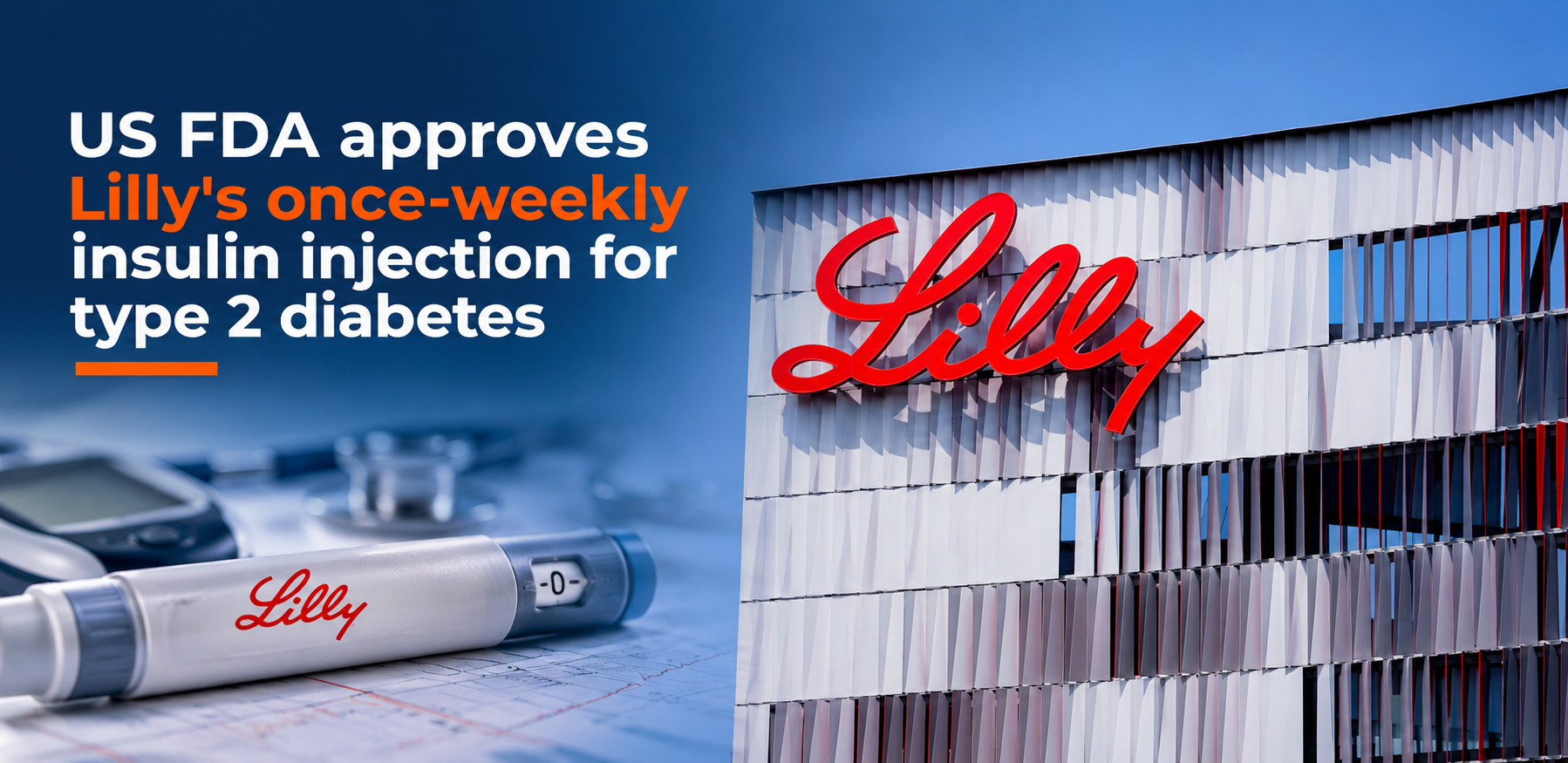
The U.S. Food and Drug Administration (FDA) has approved a new insulin treatment from Eli Lilly that patients with type 2 diabetes can take once a week.
The treatment, called Awiqli, is a long-acting form of insulin designed to control blood sugar levels over an extended period.
The approval gives people with type 2 diabetes another option besides traditional insulin treatments that often require daily injections.
Lilly's once-weekly insulin is also expected to make it easier for some patients to follow their treatment schedules.
What Is Type 2 Diabetes?
Type 2 diabetes is a chronic condition in which the body does not use insulin properly or does not produce enough insulin.
Insulin is a hormone that helps move glucose, or sugar, from the blood into cells where it can be used for energy.
When the body cannot control blood sugar effectively, glucose levels can become too high.
Over time, poorly controlled diabetes can increase the risk of complications involving the:
- Heart
- Kidneys
- Eyes
- Nerves
- Blood vessels
Many people with type 2 diabetes manage the condition with changes in diet and exercise and medicines that help control blood sugar.
Some eventually need insulin.
How Does Once-Weekly Insulin Work?
Traditional long-acting insulin is often injected once or more every day.
Awiqli is designed to remain active in the body for a much longer period, allowing patients to take it once every week.
The longer dosing schedule could reduce the number of injections a patient needs.
For someone who normally takes insulin every day, switching to a weekly treatment could mean going from roughly 365 injections a year to about 52.
The goal is to make insulin treatment easier to manage while maintaining blood sugar control.
Why Is This Important?
One of the biggest challenges in diabetes treatment is medication adherence.
Adherence means taking medication as prescribed and following the recommended treatment schedule.
People may miss doses for many reasons, including busy schedules, discomfort from injections or simply forgetting.
Reducing the number of injections could make treatment easier for some patients.
However, once-weekly insulin is not automatically suitable for everyone with diabetes.
Doctors will still need to consider factors such as blood sugar levels, other medications, lifestyle and the patient's overall health when deciding which insulin treatment is appropriate.
What Did the FDA Consider?
The FDA reviewed clinical trial data evaluating the safety and effectiveness of Lilly's once-weekly insulin.
As with other insulin products, the treatment can cause low blood sugar, also known as hypoglycemia.
Hypoglycemia can cause symptoms such as sweating, shakiness, confusion and dizziness. Severe cases can be dangerous.
Because the medicine remains in the body for a long time, doctors and patients need to carefully manage dosing and blood sugar levels.
The FDA's approval means the agency determined that the benefits of the treatment outweigh its risks for the approved use.
What’s Changing / Business Impact
The approval adds another competitor to the diabetes treatment market and could change how some patients receive insulin.
For Lilly, it creates another opportunity in a huge global diabetes market.
The company is already a major player in diabetes and obesity treatments, including medicines based on GLP-1 and related technologies.
Adding a once-weekly insulin option gives Lilly another product that can address a major challenge in diabetes care: making long-term treatment easier to manage.
The approval could also put pressure on other drugmakers to develop longer-acting insulin products and other treatments that require fewer doses.
Competition in Diabetes Care
Diabetes is a large pharmaceutical market with several major companies competing to develop new treatments.
Companies are working on medicines designed to:
- Control blood sugar
- Reduce complications
- Improve insulin sensitivity
- Reduce the need for injections
- Make treatment easier for patients
The move toward longer-acting medicines reflects a broader trend in healthcare toward simpler dosing schedules.
If patients can achieve similar medical results with fewer doses, treatment may become easier to maintain.
Why This Matters
The approval could be particularly important for people who find daily insulin injections difficult to manage.
Reducing the number of injections may make treatment more convenient and could help some patients stay on their prescribed treatment schedule.
However, the benefits will depend on how patients respond to the treatment and whether they can safely manage the longer dosing interval.
The approval also shows how pharmaceutical companies are trying to improve not just the effectiveness of medicines, but also the patient experience of taking them.
Looking Ahead
Lilly will now move toward making the once-weekly insulin available to eligible patients in the United States.
Healthcare providers will need to understand how the new treatment compares with existing daily insulin options and which patients are appropriate candidates.
Other pharmaceutical companies may also increase their focus on longer-acting insulin and other less frequent treatment options.
The diabetes market is likely to continue moving toward treatments that combine effective blood sugar control with greater convenience.
What This Means for Healthcare Marketers
For healthcare marketers, Lilly's approval shows how dosing convenience can become an important part of a drug's value proposition.
When a company introduces a treatment that reduces the number of doses or injections patients need, marketers may need to communicate both the clinical benefits and the practical benefits.
Healthcare marketers should watch:
- New drug approvals
- Dosing frequency
- Patient adherence
- Treatment switching
- Competitive products
- Pricing and insurance coverage
- Provider adoption
A new treatment can also create new commercial needs around provider education, patient engagement, market access and commercialization.
For marketers selling to pharmaceutical companies, healthcare providers or other healthcare organizations, changes in dosing and treatment delivery can be useful signals of where companies are investing and how they are trying to differentiate their products.
Key Takeaways
- The FDA approved Lilly's once-weekly insulin injection for adults with type 2 diabetes.
- The treatment is called Awiqli and is designed to provide long-lasting insulin activity.
- It could reduce the number of insulin injections from roughly 365 per year to about 52 for patients who use it weekly.
- Fewer injections could make treatment more convenient and potentially help some patients manage their treatment schedules.
- Low blood sugar, or hypoglycemia, remains an important risk associated with insulin treatment.
- The approval gives Lilly another product in the large and competitive diabetes market.
- The treatment reflects a broader industry focus on longer-acting medicines and simpler dosing schedules.
- For healthcare marketers, new dosing options can create opportunities around patient engagement, provider education, market access and product differentiation.