FDA May Allow ZYN Nicotine Pouches to Be Marketed as Less Harmful Than Cigarettes
What's Happening
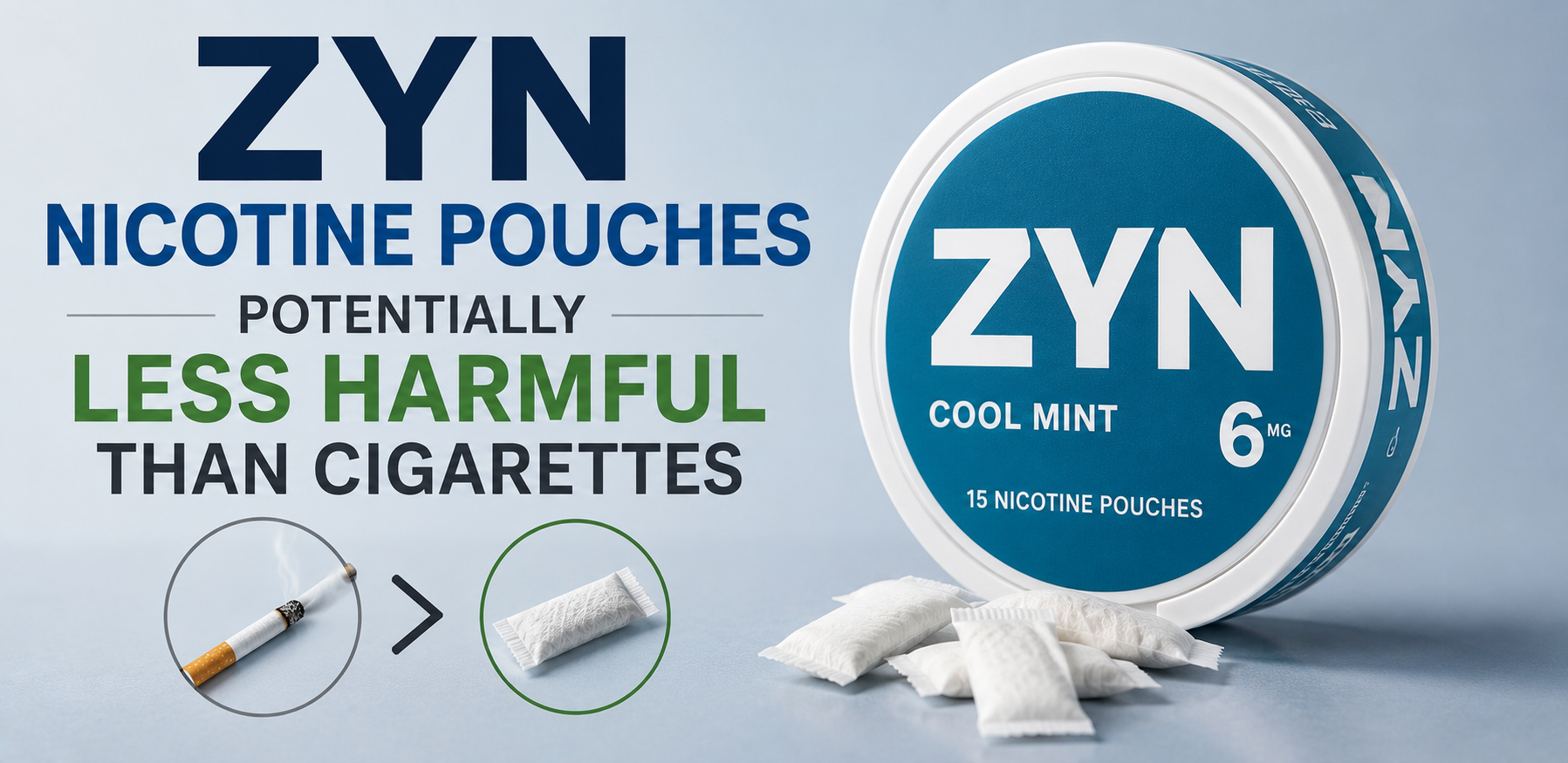
The U.S. Food and Drug Administration (FDA) is expected to allow ZYN, a popular nicotine pouch brand, to be marketed with claims that it presents a lower health risk than traditional cigarettes, according to a report by Axios cited by Reuters.
If the FDA grants this authorization, ZYN would be able to communicate that switching completely from cigarettes to its nicotine pouches can reduce exposure to many of the harmful chemicals produced by tobacco smoke. The decision would represent another significant milestone in the FDA's approach to tobacco harm reduction, where products that may expose users to fewer toxic substances are evaluated separately from conventional cigarettes. (reuters.com)
It's important to note that this does not mean the FDA considers nicotine pouches to be safe or risk-free. Instead, the potential authorization would recognize that, based on available scientific evidence, these products may expose users to significantly fewer harmful chemicals than combustible cigarettes when used as a complete substitute.
The decision could have important implications for tobacco regulation, public health policy, and the growing market for smoke-free nicotine products.
What Are Nicotine Pouches?
Nicotine pouches are small, tobacco-free pouches that users place between the gum and upper lip.
Unlike cigarettes or traditional smokeless tobacco products, they do not involve:
- Burning tobacco
- Producing smoke
- Creating ash
- Releasing tar
Instead, the pouch slowly releases nicotine, which is absorbed through the lining of the mouth.
Most nicotine pouches contain:
- Pharmaceutical-grade nicotine
- Plant-based fibers
- Flavorings
- Stabilizing ingredients
Because there is no combustion, users are not exposed to many of the toxic chemicals generated when tobacco is burned.
What Makes Cigarette Smoke So Harmful?
The greatest health risks from smoking come primarily from combustion, not nicotine itself.
When tobacco burns, it produces thousands of chemicals, including dozens known to cause cancer and other serious diseases.
These harmful substances contribute to conditions such as:
- Lung cancer
- Chronic obstructive pulmonary disease (COPD)
- Heart disease
- Stroke
- Oral cancers
- Emphysema
Nicotine is the chemical responsible for addiction, but many smoking-related diseases are caused by toxic compounds created during burning rather than nicotine alone.
This distinction has led researchers to investigate whether non-combustible nicotine products may reduce health risks for adults who would otherwise continue smoking.
What Is a Modified Risk Tobacco Product (MRTP)?
For a tobacco company to market a product as presenting lower health risks or reduced exposure compared with cigarettes, it must receive authorization through the FDA's Modified Risk Tobacco Product (MRTP) pathway.
Under this process, manufacturers must provide extensive scientific evidence demonstrating that:
- The product significantly reduces exposure to harmful substances or lowers health risks.
- Marketing claims are supported by scientific data.
- Consumers are unlikely to misunderstand the claims.
- Authorizing the claims would benefit public health overall, considering both current smokers and people who do not use tobacco.
The FDA evaluates toxicology studies, clinical research, behavioral data, and population health models before making its decision.
An MRTP authorization does not mean a product is harmless. It only permits specific scientifically supported claims regarding reduced exposure or reduced risk compared with conventional cigarettes.
Why This Decision Matters
The potential authorization reflects a broader shift in tobacco regulation.
Rather than treating all nicotine products identically, regulators are increasingly evaluating products according to their relative health risks.
Public health experts generally agree that:
- Completely quitting all tobacco and nicotine products provides the greatest health benefit.
- Adults who continue smoking cigarettes face the highest health risks.
- Non-combustible nicotine products may reduce exposure to harmful chemicals if smokers switch completely.
However, experts also emphasize that these products should not encourage nicotine use among people who have never smoked, particularly adolescents and young adults.
Balancing harm reduction for current smokers with youth prevention remains one of the FDA's biggest regulatory challenges.
Concerns About Youth Use
Although nicotine pouches eliminate many of the toxic chemicals found in cigarette smoke, they still contain nicotine.
Nicotine can:
- Cause dependence.
- Affect brain development in adolescents.
- Increase the likelihood of continued nicotine use.
Public health organizations have expressed concern that flavored nicotine products may appeal to younger individuals.
For this reason, the FDA carefully evaluates not only scientific evidence regarding reduced harm but also how marketing claims might influence consumer behavior.
Regulators aim to ensure that any public health benefit for adult smokers does not come at the expense of increased nicotine use among youth.
The Growing Smoke-Free Nicotine Market
The market for smoke-free nicotine products has expanded rapidly over the past decade.
Manufacturers now offer a wide range of alternatives, including:
- Nicotine pouches
- E-cigarettes
- Heated tobacco products
- Nicotine lozenges
- Nicotine gum
Many tobacco companies have invested heavily in these products as cigarette sales gradually decline in several countries.
At the same time, governments continue developing regulations that balance adult harm reduction with youth protection.
The FDA's decision regarding ZYN could influence future regulatory reviews involving other smoke-free nicotine products.
Industry Impact
- Tobacco and Nicotine Manufacturers: Companies developing smoke-free alternatives may receive greater regulatory clarity regarding reduced-risk marketing claims.
- Healthcare Providers: Clinicians may receive additional questions from patients seeking information about alternatives to cigarette smoking.
- Regulators: The FDA continues refining its approach to evaluating harm reduction products while protecting public health.
- Consumers: Adult smokers may have access to more information when considering alternatives to combustible cigarettes, though complete cessation remains the healthiest option.
Why This Matters
The FDA's expected decision on ZYN reflects the evolving approach to tobacco regulation in the United States.
Rather than evaluating all nicotine products in the same way, regulators are increasingly distinguishing between combustible cigarettes, which remain the most harmful form of tobacco use, and non-combustible alternatives that may reduce exposure to toxic chemicals.
The decision also highlights the complexity of public health policy.
While supporting harm reduction for current smokers, regulators must also prevent new nicotine addiction among people who would not otherwise use tobacco products.
As smoke-free nicotine technologies continue developing, evidence-based regulation will remain essential for balancing these competing public health priorities.
Key Takeaways
- The FDA may allow ZYN nicotine pouches to be marketed as less harmful than cigarettes.
- The authorization would recognize reduced exposure to harmful chemicals, not that the product is safe or risk-free.
- Nicotine pouches do not involve burning tobacco, eliminating many toxic substances found in cigarette smoke.
- The FDA's Modified Risk Tobacco Product pathway requires extensive scientific evidence before allowing reduced-risk marketing claims.
- Regulators continue balancing harm reduction for adult smokers with efforts to prevent youth nicotine use.
What This Means for Healthcare Marketers
This story illustrates how regulatory science increasingly shapes product positioning in highly regulated healthcare and consumer health markets. Companies can no longer rely solely on product innovation, they must also generate robust scientific evidence that supports every marketing claim submitted to regulators.
For healthcare marketers, the FDA's Modified Risk Tobacco Product pathway demonstrates the importance of evidence-based communication. Even when products may offer potential public health benefits, organizations must clearly distinguish between "less harmful than another product" and "safe." Regulatory-approved messaging must accurately reflect the scientific evidence while avoiding claims that could mislead consumers.
For healthcare intelligence teams, developments in tobacco harm reduction provide insight into broader regulatory trends that extend beyond nicotine products. Agencies are placing greater emphasis on comparative effectiveness, real-world evidence, behavioral research, and population-level health outcomes when evaluating product claims. Monitoring these evolving standards can help organizations anticipate future regulatory expectations across multiple healthcare sectors.
More broadly, the story reflects an important shift in public health policy, from evaluating products in isolation to assessing their relative impact on overall population health. As regulators continue applying this evidence-based framework, manufacturers across healthcare and life sciences will face increasing expectations to demonstrate not only that their products work, but also how they compare with existing alternatives in improving long-term health outcomes.