What’s Happening
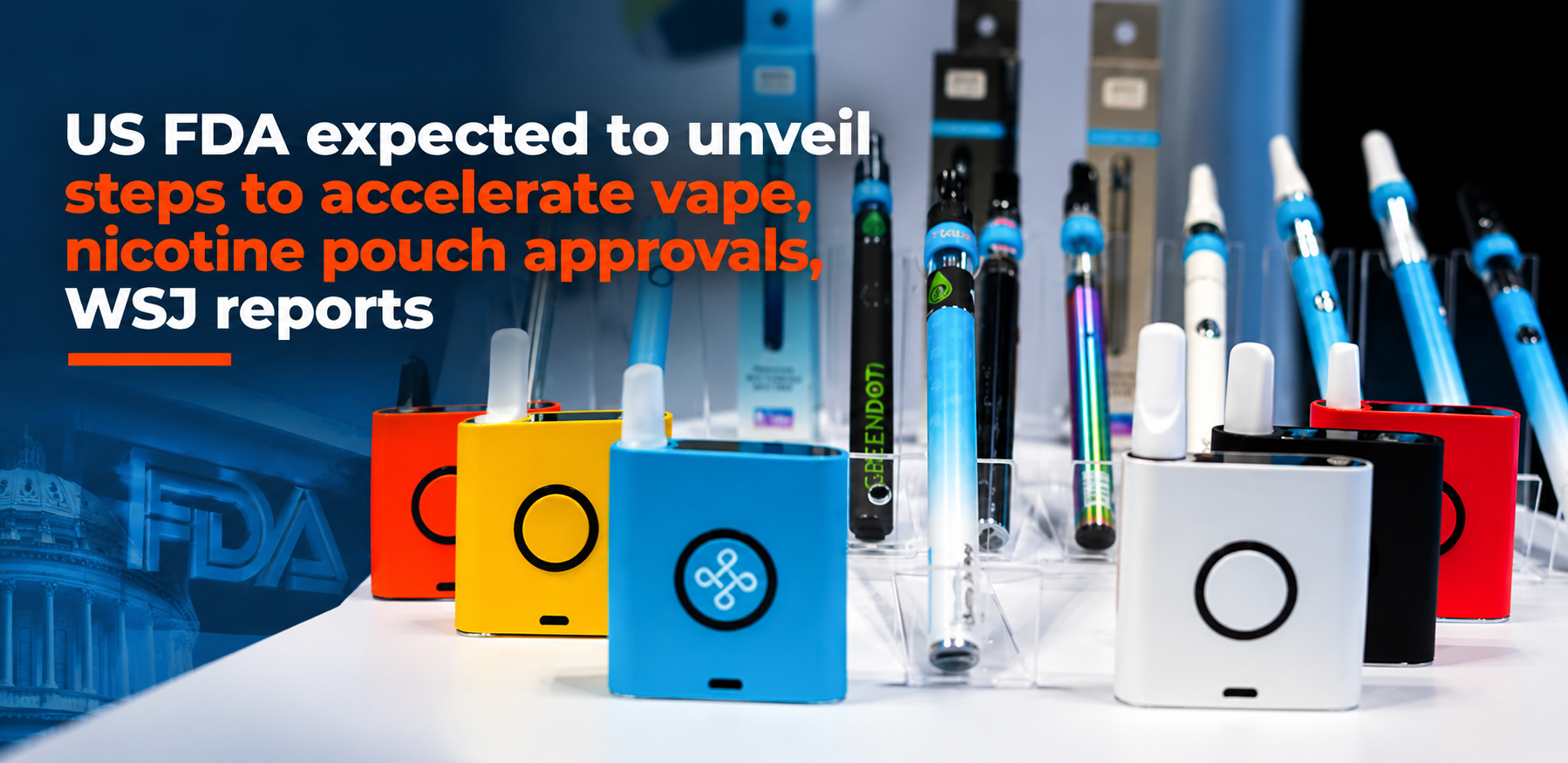
The U.S. Food and Drug Administration is planning changes that could make it faster for manufacturers to get certain vaping products and nicotine pouches reviewed and approved, according to a report by the Wall Street Journal.
The changes are expected to focus on the FDA's process for reviewing products that contain nicotine but are marketed as alternatives to traditional cigarettes.
The FDA regulates tobacco and nicotine products in the United States through its Center for Tobacco Products.
Companies currently have to submit applications containing scientific and other information showing why their products should be allowed to remain on the market.
The planned changes could make parts of that process more efficient.
Why Is the FDA Considering Changes?
The U.S. nicotine market has changed significantly in recent years.
Traditional cigarettes remain widely used, but consumers can now choose from many other products, including:
- E-cigarettes
- Disposable vapes
- Nicotine pouches
- Heated tobacco products
- Other nicotine-containing products
The FDA has been under pressure to deal with a large number of applications for these products.
At the same time, regulators have been trying to balance two concerns: reducing the health risks associated with tobacco use while preventing nicotine products from becoming more attractive to young people.
The FDA's review process is therefore designed to consider both potential benefits for adult smokers and potential risks to non-smokers and younger people.
What Are Nicotine Pouches?
Nicotine pouches are small products that users place between their lip and gum.
Unlike cigarettes, they do not involve burning tobacco.
They also do not produce smoke or vapor.
Some companies market nicotine pouches as an alternative to smoking or vaping.
However, they still contain nicotine, which is highly addictive.
The FDA evaluates tobacco and nicotine products based on factors such as their potential risks and whether they are appropriate for the protection of public health.
What Does the Proposed Change Mean for Manufacturers?
If the FDA makes its review process faster, companies could potentially receive decisions on their applications more quickly.
That could reduce the amount of time manufacturers spend waiting for regulatory decisions.
It could also make it easier for companies with products that meet the FDA's requirements to bring those products to the U.S. market.
However, faster review does not necessarily mean that every product will be approved.
Manufacturers would still need to provide the information required by regulators and demonstrate that their products meet the applicable standards.
What’s Changing / Business Impact
A faster regulatory process could affect competition within the nicotine market.
Companies that receive authorization more quickly could potentially gain an advantage over competitors whose products remain under review.
It could also encourage manufacturers to invest more in new nicotine products.
At the same time, the changes could increase the number of products competing for consumers' attention.
For retailers, healthcare organizations and public health groups, a larger number of authorized nicotine products could create new challenges around consumer education and risk communication.
The FDA will still need to consider issues such as youth use, addiction, product safety and exposure to harmful chemicals.
Why This Matters
The U.S. has been trying to reduce the health damage caused by smoking while dealing with the rapid growth of newer nicotine products.
Cigarette smoking is a major cause of preventable disease and death.
Some adult smokers may use alternative nicotine products as a way to move away from traditional cigarettes. However, nicotine products can also attract people who did not previously use tobacco.
This creates a difficult regulatory balance.
The FDA needs to consider whether a product could potentially reduce harm for adults who already smoke while also considering whether it could increase nicotine use among young people or non-smokers.
Looking Ahead
The FDA is expected to provide more information about the proposed changes to its review process.
Manufacturers will be watching closely because changes to the regulatory process could affect how quickly they can bring products to market.
The agency will also continue evaluating individual products and their potential impact on public health.
The market for vapes and nicotine pouches is likely to remain an important area for regulators as companies continue developing new products and consumers change how they use nicotine.
What This Means for Healthcare Marketers
For healthcare marketers, changes in FDA regulation can have a direct impact on which products enter the market and how companies can communicate about them.
Marketers working with consumer health, tobacco, nicotine or pharmaceutical companies should monitor:
- FDA regulatory decisions
- New product approvals
- Changes in advertising rules
- Youth-use data
- Consumer behavior
- Competition between nicotine products
A change in the approval process can also create new commercial opportunities for companies that receive authorization to sell products.
At the same time, marketers need to understand the restrictions around claims they can make about nicotine products.
For healthcare marketers, regulatory changes are therefore an important market signal. When the rules change, companies may change their product launches, marketing strategies, budgets and customer targeting as well.
Key Takeaways
- The FDA is reportedly planning changes that could speed up the review process for certain vape and nicotine pouch products.
- The changes could help manufacturers receive regulatory decisions faster.
- Faster review does not mean every product will be approved.
- Nicotine pouches do not produce smoke or vapor but still contain addictive nicotine.
- The FDA must balance potential benefits for adult smokers with concerns about youth use, addiction and public health.
- Faster approvals could affect competition and product launches across the U.S. nicotine market.
- For healthcare marketers, FDA regulatory changes can signal shifts in product launches, competition, marketing strategies and business opportunities.