Federal Judge Blocks Trump Administration's SNAP Restrictions on Soda and Candy Purchases
What's Happening
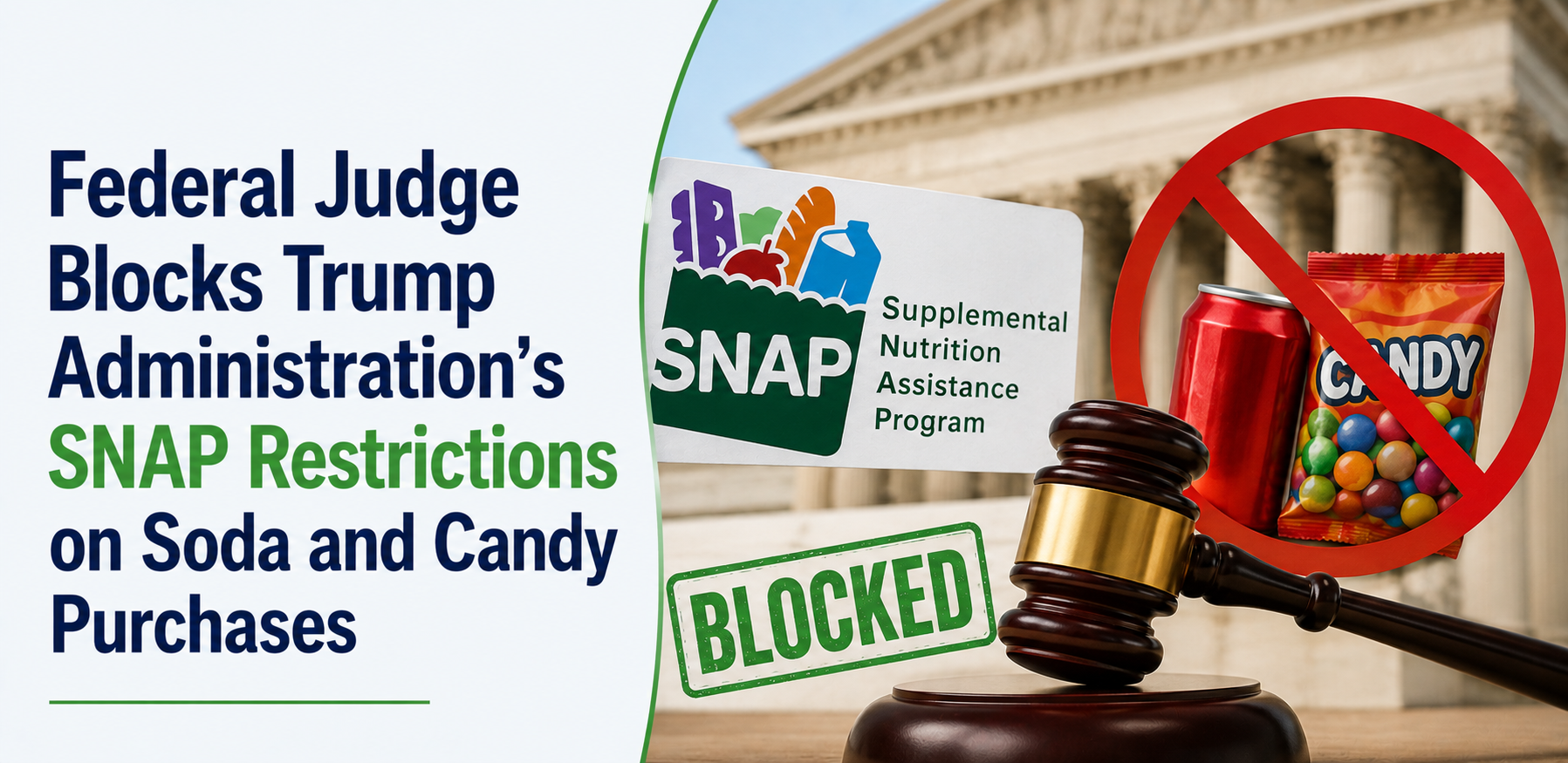
A federal judge temporarily blocked a Trump administration effort that would have allowed states to restrict the purchase of soda, candy, and certain other foods through the Supplemental Nutrition Assistance Program (SNAP), commonly known as food stamps.
The ruling prevents the policy from moving forward while legal challenges continue, creating another chapter in the long-running debate over nutrition policy, public health, and government assistance programs. Supporters of the restrictions argued that taxpayer-funded nutrition benefits should not be used to purchase products linked to obesity, diabetes, and other chronic health conditions. Opponents contended that the policy unfairly targeted low-income individuals, created administrative challenges, and limited consumer choice without addressing the underlying causes of poor nutrition. The court's decision does not permanently strike down the proposal but pauses implementation while broader legal questions are considered.
What Is SNAP?
SNAP is the largest food assistance program in the United States. The program helps millions of low-income individuals and families purchase groceries each month. Benefits are distributed electronically and can be used at approved retailers nationwide. SNAP serves a wide range of populations, including:
- Low-income families
- Children
- Older adults
- People with disabilities
- Individuals facing temporary financial hardship
The program plays a significant role in reducing food insecurity and improving access to nutrition for vulnerable populations. Because of its size and reach, SNAP is often at the center of public policy discussions involving nutrition, healthcare costs, and public health.
Why Soda and Candy Became a Policy Issue
For years, policymakers and public health advocates have debated whether SNAP benefits should be restricted from purchasing products viewed as unhealthy. Supporters of restrictions point to research linking excessive consumption of sugary beverages and high-sugar foods to:
- Obesity
- Type 2 diabetes
- Cardiovascular disease
- Dental disease
- Other chronic health conditions
These advocates argue that nutrition assistance programs should encourage healthier eating habits and align with broader public health goals. Some policymakers believe limiting purchases of soda and candy could help improve long-term health outcomes among SNAP recipients. The idea has been discussed by multiple administrations over the years but has faced significant political and legal challenges.
Why Opponents Objected
Critics of the proposed restrictions raised several concerns.
- Consumer Choice: Opponents argue that SNAP recipients should have the same freedom to make food purchasing decisions as other consumers.
- Administrative Complexity: Determining which products qualify as restricted foods can be difficult. Questions often arise regarding sweetened beverages, snack foods, mixed products, and retail implementation.
- Stigma Concerns: Some advocacy groups worry that restrictions could further stigmatize individuals who rely on food assistance programs.
- Limited Evidence: Critics also question whether purchase restrictions alone would significantly improve public health outcomes without broader investments in nutrition education and food access.
These concerns became central to the legal challenges that ultimately led to the court ruling.
The Connection Between Nutrition and Healthcare
The case highlights a growing trend in healthcare policy: treating food and nutrition as important drivers of health outcomes. Research increasingly shows that diet influences:
- Obesity rates
- Diabetes prevalence
- Heart disease risk
- Healthcare spending
- Population health outcomes
As a result, healthcare organizations, insurers, and policymakers have expanded efforts focused on nutrition-related interventions. Many experts now view access to healthy food as a key social determinant of health. This has led to growing interest in programs involving nutrition counseling, food-as-medicine initiatives, produce prescription programs, and healthy food incentives. The SNAP debate sits within this broader discussion about how nutrition policy should support public health goals.
Why Healthcare Organizations Are Watching
The issue extends beyond food assistance programs. Healthcare systems increasingly bear the costs associated with chronic diseases linked to poor nutrition. Conditions such as obesity and diabetes account for substantial healthcare spending each year. As a result, many healthcare stakeholders are paying close attention to policies that could influence dietary behavior. Some organizations support stronger nutrition standards, while others emphasize addressing affordability, food access, and education rather than restricting purchases. The debate reflects differing views regarding how best to improve public health outcomes.
What Happens Next?
Because the ruling is preliminary, the legal battle is likely to continue. Future proceedings could determine:
- Whether the policy can be implemented
- Whether federal agencies have authority to impose such restrictions
- How states may participate in nutrition-related SNAP reforms
The outcome could influence future efforts to connect public assistance programs with broader public health objectives. Regardless of the final ruling, nutrition policy is expected to remain a major topic of healthcare and political discussion.
Industry Impact
- Public Health Agencies: Officials continue exploring ways to address chronic disease through nutrition-focused policies.
- Healthcare Providers: Clinicians increasingly recognize nutrition as a critical factor influencing patient outcomes.
- Food and Beverage Companies: Changes to SNAP policies could affect purchasing patterns for certain products.
- Retailers: Grocery stores and food retailers would need to adapt systems if restrictions were implemented.
Why This Matters
The court ruling highlights the growing overlap between healthcare policy, nutrition, and social programs. As healthcare costs continue rising, policymakers are increasingly interested in preventive strategies that address the root causes of chronic disease. Food and nutrition are becoming central components of those discussions. The case also raises broader questions about how governments should balance public health goals with personal choice and program accessibility. The answers could shape future healthcare and nutrition policies for years to come.
Key Takeaways
- A federal judge blocked a Trump administration effort to restrict SNAP purchases of soda and candy.
- The policy was intended to encourage healthier food choices among SNAP recipients.
- Critics argued the restrictions would limit consumer choice and create administrative challenges.
- The case reflects growing interest in nutrition as a public health issue.
- Legal challenges will continue while the policy remains on hold.
What This Means for Healthcare Marketers
This story highlights the growing importance of nutrition as a healthcare issue rather than simply a food policy issue. For healthcare marketers, nutrition-related policies increasingly influence population health strategies, chronic disease management programs, value-based care initiatives, and public health investments. Organizations involved in diabetes care, obesity management, nutrition services, population health, and food-as-medicine programs should continue monitoring these developments closely.
The case also demonstrates how social determinants of health are becoming more integrated into healthcare decision-making. Factors such as food access, affordability, and nutrition quality are increasingly viewed as important drivers of healthcare outcomes and spending. For healthcare intelligence teams, policy debates involving SNAP can provide insight into future public health priorities and healthcare investment areas. Nutrition-focused interventions may continue gaining attention as healthcare systems search for ways to reduce chronic disease burdens and improve long-term population health outcomes. More broadly, the ruling reflects an ongoing shift toward viewing healthcare through a wider lens that includes nutrition, lifestyle, and community factors alongside traditional medical care.