Foodborne Illness Outbreaks Continue to Challenge U.S. Restaurant Industry
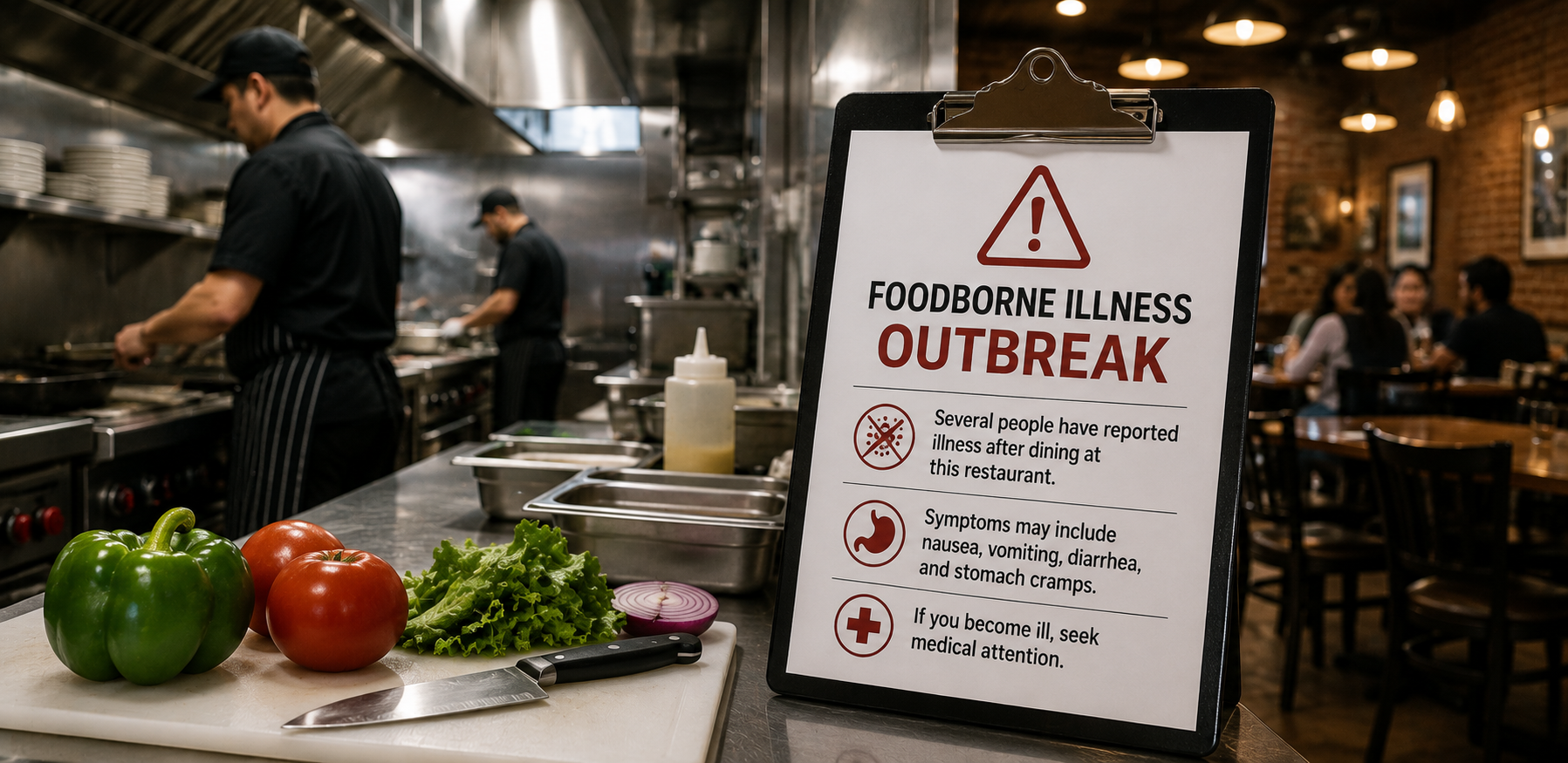
What's Happening
Foodborne illness outbreaks are once again putting major U.S. restaurant chains under scrutiny, highlighting how quickly contamination incidents can affect public health, consumer confidence, and business performance.
The latest concern centers on an ongoing cyclospora (cyclosporiasis) outbreak linked to shredded iceberg lettuce served at certain Taco Bell restaurants. The outbreak has prompted regulatory investigations, product removals, and renewed attention on food safety practices across the restaurant industry.
While every outbreak differs in its cause and impact, history shows that food safety incidents can significantly influence restaurant sales, stock prices, customer trust, and supply chain operations.
Why Foodborne Illnesses Matter
Foodborne illnesses occur when people consume food contaminated with harmful bacteria, viruses, parasites, or toxins.
Common sources include:
- Fresh produce.
- Meat and poultry.
- Dairy products.
- Seafood.
- Contaminated water.
- Improper food handling.
Symptoms vary depending on the organism involved but often include:
- Diarrhea.
- Vomiting.
- Stomach cramps.
- Fever.
- Dehydration.
Although many cases resolve without complications, some outbreaks can result in hospitalization, long-term health problems, or even death among vulnerable populations.
The Current Cyclospora Outbreak
The most recent outbreak involves Cyclospora, a microscopic parasite that causes the intestinal illness known as cyclospora infection (cyclosporiasis).
According to U.S. health officials:
- The investigation is focused on shredded iceberg lettuce supplied to certain Taco Bell restaurants.
- The FDA has linked the outbreak to a lettuce supplier serving locations in several Midwestern states.
- As a precaution, Taco Bell stopped using lettuce from the affected supplier while investigations continue.
The incident illustrates how a single contaminated ingredient can affect multiple restaurant locations and trigger nationwide regulatory attention.
A Look at Previous Major Restaurant Outbreaks
The Reuters report also highlights several well-known food safety incidents that have shaped the restaurant industry's approach to food safety.
Chipotle (2015)
Multiple outbreaks involving E. coli, Salmonella, and norovirus significantly damaged customer confidence.
The company experienced:
- Several quarters of declining sales.
- Store closures.
- Extensive food safety reforms.
- Increased regulatory oversight.
Chipotle later rebuilt consumer trust through enhanced food safety protocols and operational changes.
Jack in the Box (1993)
One of the most significant foodborne illness outbreaks in U.S. history involved E. coli linked to undercooked hamburgers.
The outbreak resulted in:
- Hundreds of illnesses.
- Multiple deaths.
- Major legal settlements.
- Lasting changes to food safety regulations.
It became a defining event that strengthened national food handling standards.
McDonald's (2024)
A more recent E. coli outbreak linked to onions used in Quarter Pounders temporarily affected restaurant traffic and sales. However, analysts noted that the business impact was relatively short-lived compared with earlier restaurant outbreaks.
Wendy's (2022)
A previous lettuce-related outbreak associated with Wendy's restaurants produced little measurable long-term business impact, demonstrating that the commercial consequences of food safety events can vary considerably.
Why Supply Chains Are Under Greater Scrutiny
Modern restaurant chains rely on extensive supplier networks that distribute ingredients across thousands of locations.
A contamination event involving one supplier can rapidly affect:
- Multiple restaurant brands.
- Several states.
- Millions of customers.
- Distribution centers.
- Retail partners.
Because fresh produce is often consumed raw, identifying contamination sources can be especially challenging.
This has increased industry investment in:
- Supply chain traceability.
- Food testing.
- Supplier audits.
- Digital tracking systems.
- Faster recall procedures.
Business Impact of Food Safety Incidents
Beyond public health, foodborne illness outbreaks can have significant financial consequences.
Restaurants may experience:
- Lower customer traffic.
- Reduced sales.
- Product recalls.
- Legal claims.
- Higher insurance costs.
- Increased regulatory inspections.
- Reputational damage.
Investor confidence may also decline if outbreaks expose weaknesses in supply chain management or food safety practices.
The severity of the business impact often depends on:
- How quickly companies respond.
- The scale of the outbreak.
- Public communication.
- Consumer perception.
- Regulatory findings.
Industry Impact
- Restaurant Chains: National restaurant brands continue investing heavily in food safety systems, supplier oversight, and crisis management to reduce operational risks.
- Food Suppliers: Produce suppliers face increasing pressure to strengthen quality assurance, traceability, and contamination prevention throughout the supply chain.
- Regulators: The FDA and CDC continue expanding surveillance and traceback investigations to identify contamination sources more quickly and limit additional illnesses.
- Consumers: Greater public awareness of food safety has increased expectations for transparency, rapid recalls, and stronger preventive measures from food companies.
Why This Matters
Food safety remains one of the most important operational risks facing the restaurant industry.
While outbreaks are relatively uncommon compared with the billions of meals served each year, even a single contamination event can have widespread consequences for public health and business performance.
The latest cyclospora outbreak demonstrates that modern food supply chains are highly interconnected, requiring close collaboration between suppliers, restaurants, and public health agencies to quickly identify contamination sources and protect consumers.
As consumer expectations for food safety continue to rise, investments in traceability, supplier monitoring, and rapid response capabilities are becoming essential competitive advantages.
Key Takeaways
- Foodborne illness outbreaks continue to pose significant operational and reputational risks for U.S. restaurant chains.
- The latest investigation involves a cyclospora outbreak linked to shredded iceberg lettuce served at certain Taco Bell locations.
- Historical outbreaks at companies including Chipotle, Jack in the Box, McDonald's, and Wendy's demonstrate that business impacts can vary widely.
- Modern restaurant companies are investing more heavily in supplier oversight, food traceability, and crisis response.
- Food safety remains critical for protecting both public health and long-term consumer trust.
What This Means for Healthcare Marketers
Foodborne illness outbreaks illustrate how public health events can rapidly influence consumer behavior, regulatory priorities, and business operations beyond the traditional healthcare sector. Restaurants, food manufacturers, healthcare providers, and public health agencies all play interconnected roles in preventing, detecting, and responding to outbreaks. Organizations that demonstrate transparency and effective crisis management are better positioned to maintain public confidence.
For healthcare marketers, these events reinforce the growing importance of communicating safety, quality assurance, and evidence-based practices. Public trust increasingly depends not only on products and services but also on an organization's ability to respond quickly and responsibly when health risks emerge.
For healthcare intelligence teams, foodborne illness investigations provide valuable signals about evolving public health risks, regulatory enforcement, supply chain vulnerabilities, and consumer behavior. Monitoring these developments can help organizations anticipate emerging health trends and identify opportunities to strengthen preparedness and risk management.