Kroger to Acquire Giant Eagle for $1.65 Billion, Expanding Its Retail Pharmacy and Healthcare Footprint
What's Happening
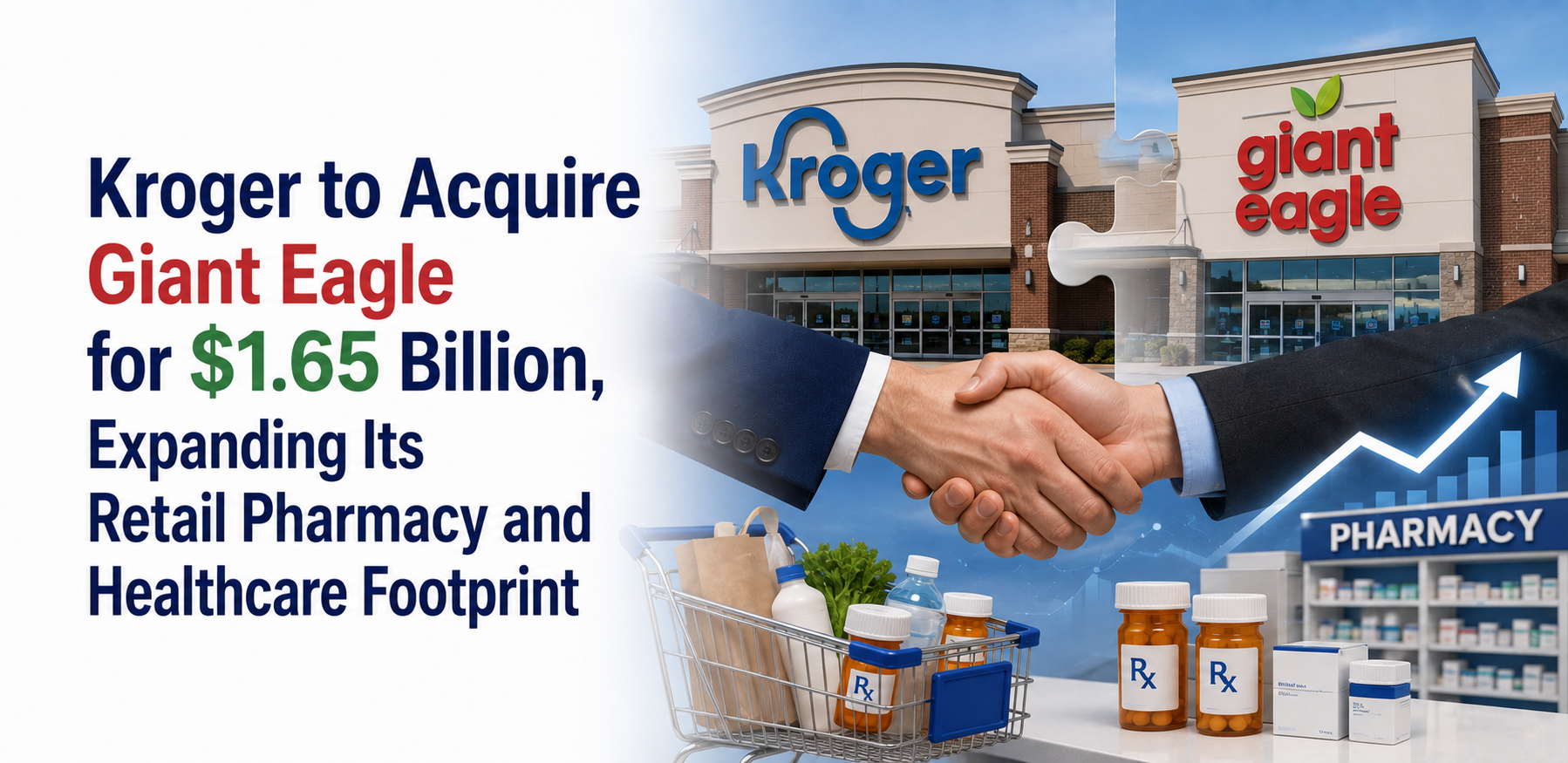
Kroger has agreed to acquire regional supermarket chain Giant Eagle in a $1.65 billion deal, expanding Kroger's presence across the northeastern and Midwestern United States while significantly strengthening its pharmacy and healthcare operations. The transaction comes after Kroger's proposed merger with Albertsons was terminated, prompting the company to pursue a different growth strategy. (reuters.com)
Giant Eagle operates hundreds of supermarkets, convenience stores, pharmacies, and fuel stations across Pennsylvania, Ohio, West Virginia, Maryland, and Indiana. In addition to grocery retail, the company has built a substantial healthcare presence through its in-store pharmacies and pharmacy services.
For Kroger, the acquisition is about more than expanding its grocery business. It also increases the company's role in community healthcare by adding pharmacies, prescription services, vaccination programs, and other health-related offerings that have become an increasingly important part of large retail chains.
The acquisition is expected to close after receiving regulatory approval.
Who Are Kroger and Giant Eagle?
Kroger is one of the largest supermarket companies in the United States, operating thousands of grocery stores under multiple regional brands. In addition to food retail, Kroger offers healthcare services including:
- Community pharmacies
- Vaccinations
- Medication management
- Health screenings
- Wellness programs
- Digital pharmacy services
Giant Eagle is a privately owned supermarket company with a strong regional presence and an extensive network of retail pharmacies. Like many supermarket chains, Giant Eagle has expanded beyond grocery retail by integrating healthcare services into its stores, making pharmacies an important part of its overall business.
Why Pharmacies Have Become Important for Grocery Chains
Retail pharmacies have evolved into much more than places where customers pick up prescriptions. Today, supermarket pharmacies commonly provide:
- Prescription medications
- Immunizations
- Health screenings
- Chronic disease support
- Medication counseling
- Smoking cessation programs
- Preventive care services
During the COVID-19 pandemic, pharmacies became major vaccination sites, further strengthening their role within local healthcare systems. As healthcare shifts toward greater accessibility and preventive care, retail pharmacies continue expanding the services they offer.
Why Kroger Wants Giant Eagle
The acquisition provides several strategic advantages.
- Expanded Geographic Presence: Giant Eagle strengthens Kroger's position in regions where the company previously had a smaller presence.
- Larger Pharmacy Network: The transaction adds hundreds of pharmacy locations, expanding Kroger's ability to serve patients through convenient neighborhood locations.
- Greater Purchasing Scale: A larger organization may improve purchasing power for medications, healthcare products, and retail goods.
- Stronger Digital Capabilities: Both companies have invested in digital pharmacy services, online prescription management, and home delivery. Combining these capabilities could improve customer experience while supporting continued growth in digital healthcare.
Why Retail Healthcare Is Growing
Consumers increasingly seek healthcare services that are convenient, affordable, and available close to home. Retail pharmacies have become an important part of that trend. Many patients now visit pharmacies for:
- Annual vaccinations
- Routine health advice
- Blood pressure checks
- Diabetes supplies
- Medication reviews
- Minor healthcare services
Retailers continue investing in healthcare because pharmacies generate repeat customer visits while supporting broader wellness initiatives. Many companies also see pharmacies as an entry point for expanding into preventive care and chronic disease management.
What Could the Acquisition Mean for Patients?
If approved, the acquisition may provide several potential benefits. Patients could eventually experience:
- Greater access to pharmacy locations.
- Expanded digital prescription services.
- Improved medication delivery options.
- Additional preventive healthcare programs.
- Better integration between pharmacy and grocery wellness services.
At the same time, regulators will review whether the acquisition could reduce competition in certain local markets. Competition among pharmacies helps influence pricing, service quality, and patient choice, making regulatory review an important part of the approval process.
The Growing Role of Retail Pharmacies
Retail pharmacies are becoming increasingly integrated into the broader healthcare system. Large pharmacy operators now work closely with:
- Physicians
- Health insurers
- Pharmacy benefit managers
- Hospitals
- Digital health companies
Many pharmacies are also expanding into chronic disease monitoring, medication adherence programs, telehealth support, home healthcare, and personalized wellness services. This reflects a broader shift toward delivering healthcare in community settings rather than relying exclusively on hospitals and physician offices.
Challenges Ahead
Although the acquisition offers growth opportunities, Kroger will also face several challenges. These include:
- Integrating pharmacy operations.
- Combining technology systems.
- Maintaining customer loyalty.
- Retaining pharmacy staff.
- Navigating regulatory review.
- Managing competition from national pharmacy chains and online healthcare providers.
Successfully integrating healthcare operations will be an important factor in realizing the full value of the acquisition.
Industry Impact
- Retail Pharmacy: The acquisition further strengthens Kroger's position as one of the country's largest retail pharmacy operators.
- Healthcare Providers: Expanded pharmacy networks may improve patient access to community-based healthcare services.
- Consumers: Patients may benefit from broader pharmacy access, expanded digital services, and additional preventive care offerings.
- Healthcare Industry: The transaction reflects continued convergence between grocery retail, pharmacy, and community healthcare.
Why This Matters
The Kroger-Giant Eagle acquisition demonstrates how retail companies are increasingly viewing healthcare as an essential part of their long-term growth strategy. Community pharmacies have evolved into accessible healthcare destinations that provide much more than prescription dispensing.
As patients seek convenient care closer to home, grocery retailers are investing in pharmacy services, digital health technologies, and preventive care programs to meet changing consumer expectations. If approved, the acquisition will strengthen Kroger's healthcare footprint while reinforcing the growing role of retail pharmacies within the U.S. healthcare system.
Key Takeaways
- Kroger agreed to acquire Giant Eagle for $1.65 billion.
- The deal significantly expands Kroger's pharmacy and healthcare presence.
- Retail pharmacies now play an increasingly important role in preventive care, vaccinations, and chronic disease management.
- Regulators will review the transaction before it can be completed.
- The acquisition reflects the continued integration of retail, pharmacy, and healthcare services.
What This Means for Healthcare Marketers
This acquisition highlights how healthcare is becoming an increasingly important growth driver for retailers. Grocery chains are no longer competing solely on food and consumer products, they are building integrated health and wellness ecosystems that include pharmacies, preventive care, digital health services, and community-based healthcare programs.
For healthcare marketers, retail pharmacies are evolving into influential healthcare access points where patients receive prescriptions, vaccinations, chronic disease support, and wellness services. Organizations developing pharmaceuticals, diagnostics, digital health solutions, and patient engagement programs should increasingly view retail pharmacy networks as strategic healthcare partners rather than simply prescription dispensing locations.
For healthcare intelligence teams, mergers involving retailers with pharmacy operations provide valuable insight into changing healthcare delivery models. Monitoring retail healthcare expansion, pharmacy consolidation, digital health investments, and community care initiatives can help organizations anticipate how patients will access healthcare services in the future.
More broadly, the transaction demonstrates the continuing convergence of retail, pharmacy, and healthcare. As consumers increasingly expect convenient, local access to healthcare, retailers with strong pharmacy networks are positioning themselves to play a much larger role in preventive care, chronic disease management, and the overall patient experience.