Lilly Says Trump's Drug Pricing Policy Could Affect Future Obesity Drug Launches in Europe
What's Happening
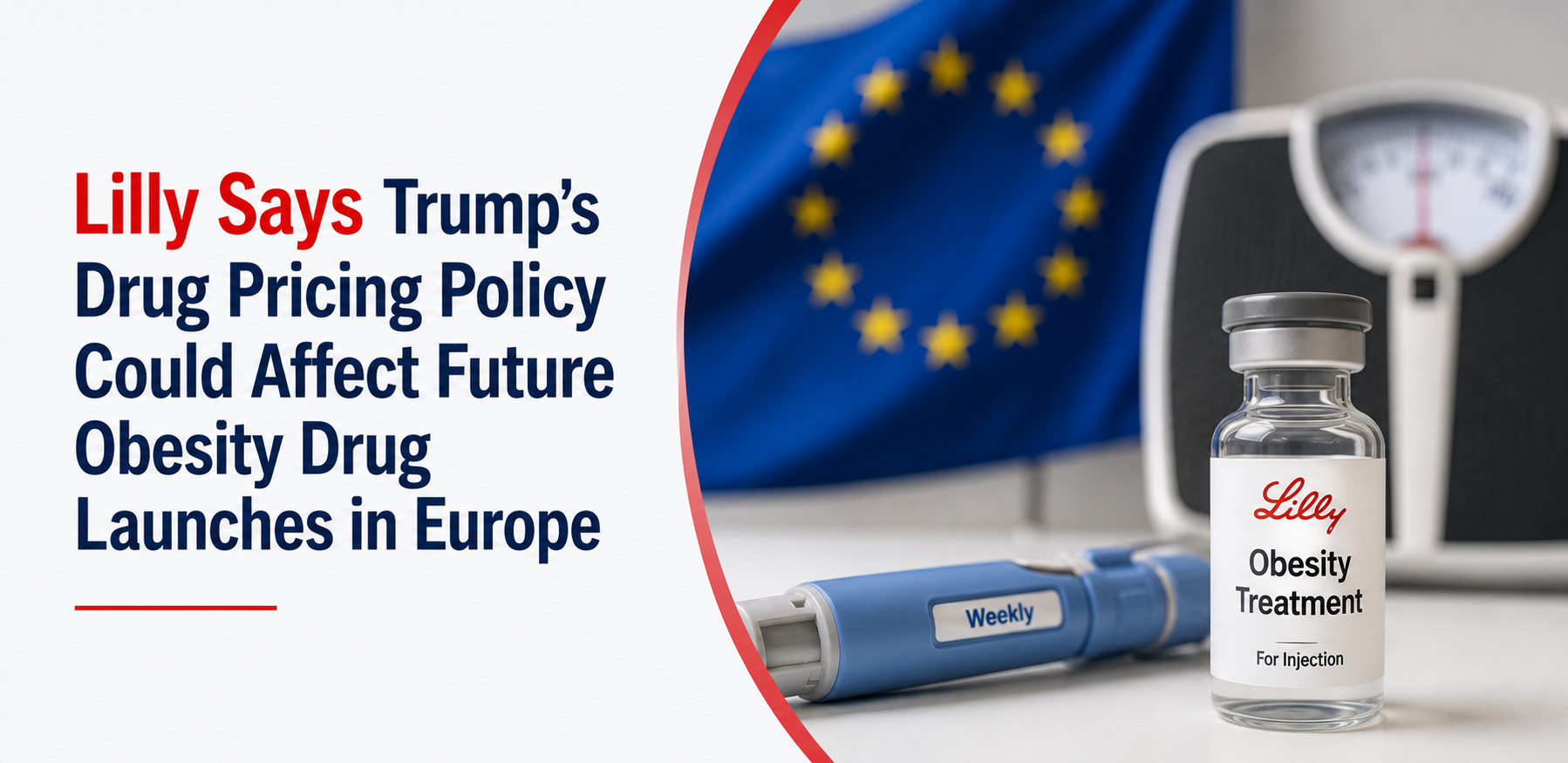
Eli Lilly warned that proposed U.S. drug pricing policies supported by the Trump administration could influence how pharmaceutical companies decide when and where to launch new medicines, including highly sought-after obesity treatments.
The company said pricing rules that link U.S. drug costs to prices in other countries could create unintended consequences for global drug launches. According to Lilly, if lower prices in certain international markets are used to influence U.S. pricing decisions, pharmaceutical companies may reconsider the timing of product launches in those countries.
The comments are particularly significant because Lilly is one of the leading players in the rapidly growing obesity treatment market through its blockbuster drug Zepbound and diabetes treatment Mounjaro. As governments worldwide struggle to manage rising healthcare costs, the debate highlights the ongoing tension between improving access to medicines and maintaining incentives for pharmaceutical innovation.
Why Obesity Drugs Have Become One of Healthcare's Hottest Markets
The obesity treatment market has transformed dramatically over the past few years. Historically, obesity medications produced modest results and often struggled to gain widespread adoption. That changed with the emergence of a new generation of GLP-1 medicines. These drugs have demonstrated the ability to help patients achieve substantial weight loss while also improving other health conditions associated with obesity.
Researchers have found benefits related to:
- Type 2 diabetes
- Cardiovascular health
- Blood sugar control
- Weight management
- Metabolic health
As a result, demand for obesity treatments has surged worldwide. Many analysts now view obesity medicine as one of the largest pharmaceutical markets in history.
What Is the Drug Pricing Debate?
Drug pricing has long been one of the most controversial issues in healthcare. Patients, insurers, employers, and governments often argue that prescription drug costs are too high. Pharmaceutical companies counter that research and development require enormous investments and that strong pricing supports future innovation.
One policy approach that has gained attention involves comparing U.S. drug prices with prices in other countries. Supporters argue that Americans frequently pay more for medicines than patients in many developed nations. Critics argue that using foreign prices as benchmarks could reduce incentives for companies to invest in high-risk research programs. The debate remains politically significant because prescription drug spending continues to be a major concern for healthcare systems worldwide.
Why Pharmaceutical Companies Care About Launch Timing
When a new medicine receives approval, companies do not always launch it everywhere at the same time. Launch strategies often depend on factors such as:
- Regulatory approvals
- Reimbursement negotiations
- Market access conditions
- Pricing agreements
- Commercial opportunities
If prices established in one country could influence pricing in another market, companies may alter their launch strategies. For example, a company may choose to delay launching a medicine in a lower-priced market if it believes that price could later affect reimbursement negotiations elsewhere. Lilly argues that this dynamic could unintentionally reduce or delay access to innovative treatments in certain countries.
Why Europe Is Central to the Discussion
Many European countries operate healthcare systems that negotiate drug prices directly with manufacturers. These negotiations often result in lower prices than those seen in the United States. Because of this, Europe frequently becomes part of discussions involving international reference pricing.
Pharmaceutical companies generally accept lower prices in some countries in exchange for broader patient access. However, industry leaders argue that problems arise when prices negotiated in one market begin affecting pricing decisions globally. Lilly's comments suggest that future launch decisions may increasingly depend on how governments structure pricing policies and reimbursement frameworks.
The Broader Impact on Pharmaceutical Innovation
The issue extends beyond obesity drugs. Many pharmaceutical companies are concerned about how pricing reforms could affect investment decisions across multiple therapeutic areas. Drug development remains one of the most expensive activities in healthcare. Companies often spend:
- More than a decade developing medicines
- Billions of dollars on research
- Extensive resources on clinical trials
- Significant investments in manufacturing and regulatory compliance
Industry leaders argue that predictable returns help justify these investments. Supporters of pricing reform, however, contend that innovation should not come at the expense of affordability and patient access. The challenge for policymakers is finding a balance between these competing priorities.
Why Obesity Treatment Is Receiving So Much Attention
Obesity affects hundreds of millions of people worldwide and is associated with numerous chronic health conditions. Healthcare systems increasingly view obesity as a major public-health issue because it contributes to:
- Cardiovascular disease
- Diabetes
- Certain cancers
- Joint disorders
- Healthcare spending
The effectiveness of newer obesity drugs has generated enormous interest among patients, providers, employers, and insurers. Because demand is so high, policies affecting access and pricing could have widespread implications across healthcare systems. This makes obesity treatments a particularly important case study in broader discussions about pharmaceutical pricing.
Industry Impact
- Pharmaceutical Companies: Drugmakers may reassess launch strategies depending on how pricing policies evolve.
- Healthcare Systems: Governments continue balancing affordability with access to innovative therapies.
- Patients: Pricing and reimbursement decisions can influence how quickly new medicines become available.
- Investors: Policy changes affecting drug pricing can have significant implications for pharmaceutical revenues and future investment.
Why This Matters
The debate highlights one of healthcare's most difficult challenges: ensuring patients have access to innovative medicines while also controlling costs. Lilly's comments demonstrate how policy decisions made in one country can influence healthcare markets around the world.
As obesity treatments become increasingly important, questions regarding pricing, reimbursement, and access are likely to become even more prominent. The discussion also reflects a broader reality facing healthcare systems globally: breakthrough medicines can deliver substantial clinical benefits, but they often create complex questions about affordability and long-term sustainability. How policymakers address these issues may shape pharmaceutical innovation and patient access for years to come.
Key Takeaways
- Lilly said proposed U.S. drug pricing policies could affect future obesity drug launch decisions.
- The company warned that linking U.S. prices to international prices may influence launch timing.
- Obesity treatments have become one of the fastest-growing pharmaceutical markets.
- Governments continue debating how to balance affordability with innovation.
- Pricing policies may have global implications for patient access and pharmaceutical investment.
What This Means for Healthcare Marketers
This story highlights how healthcare policy can directly influence commercial strategy. For healthcare marketers, pricing and reimbursement decisions are often just as important as clinical results. A successful medicine may still face significant challenges if market-access conditions limit adoption or delay launches in key regions.
The discussion also reinforces the growing importance of obesity treatment as a major healthcare category. Organizations involved in weight management, metabolic health, diabetes care, digital health, employer health programs, and specialty pharmaceuticals should continue monitoring developments in this market closely. For healthcare intelligence teams, pricing-policy debates can provide valuable insight into future market dynamics. Changes in reimbursement structures, international pricing frameworks, and government negotiations often create ripple effects throughout the healthcare ecosystem.
More broadly, the story demonstrates that healthcare innovation, access, and affordability are increasingly interconnected. The organizations that best understand these relationships may be better positioned to navigate future healthcare market changes.