New York Sues 3M, DuPont and Other Companies Over PFAS 'Forever Chemicals' in Consumer Products
What's Happening
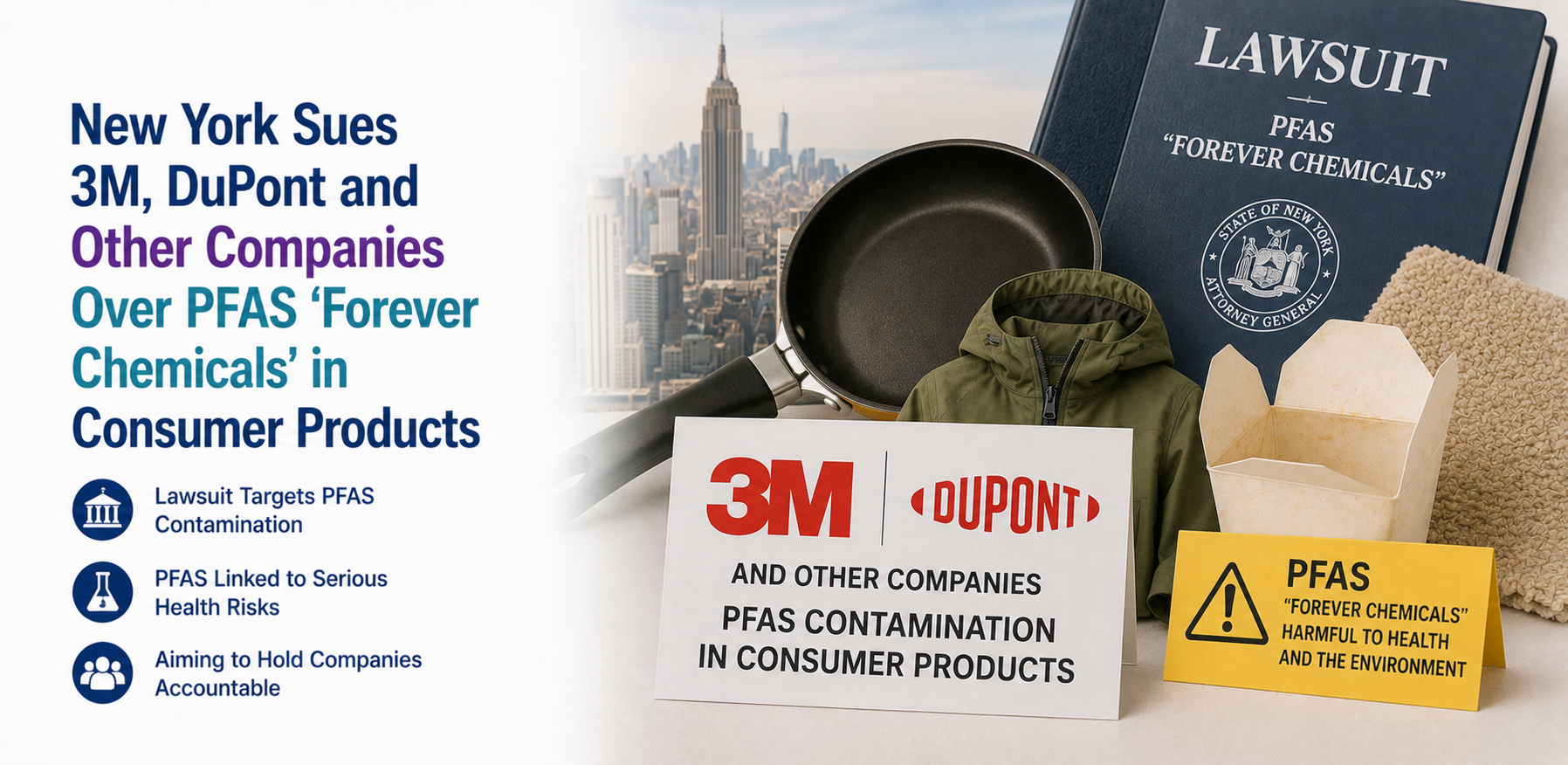
New York Attorney General Letitia James has filed a lawsuit against 3M, DuPont, and several other manufacturers, alleging they knowingly produced and sold consumer products containing per- and polyfluoroalkyl substances (PFAS)—commonly known as "forever chemicals"—while failing to adequately warn consumers about their potential health and environmental risks. The lawsuit seeks financial damages and other remedies to help address contamination across the state. (reuters.com)
According to the lawsuit, PFAS were used in a wide range of consumer products because of their ability to resist heat, water, oil, and stains. However, these chemicals are highly persistent in the environment and can remain in soil, water, wildlife, and the human body for many years.
The companies named in the lawsuit have previously stated that they have acted responsibly regarding PFAS products and have taken steps to phase out or reduce the use of certain PFAS compounds.
What Are PFAS?
PFAS, or per- and polyfluoroalkyl substances, are a large group of synthetic chemicals first developed in the 1940s. They have been widely used because they provide:
- Water resistance
- Grease resistance
- Heat resistance
- Stain resistance
- Non-stick properties
PFAS have been used in products including non-stick cookware, food packaging, waterproof clothing, carpets, upholstery, firefighting foam, cosmetics, and cleaning products. Their unique chemical structure makes them extremely resistant to breaking down naturally. Because they persist for decades in the environment, they are often referred to as "forever chemicals."
Why Are PFAS a Health Concern?
Researchers have detected PFAS in drinking water, soil, rivers and lakes, wildlife, food, and human blood. Because these chemicals accumulate over time, scientists have spent years studying their potential health effects. Research has associated exposure to certain PFAS compounds with:
- Increased cholesterol levels
- Liver effects
- Reduced immune response
- Thyroid disorders
- Developmental effects in children
- Certain cancers
Scientists continue studying how different PFAS compounds affect human health because thousands of individual PFAS chemicals exist, and not all have been equally researched. While evidence continues to evolve, public health agencies have increased efforts to reduce long-term exposure.
Why Is New York Suing?
According to the lawsuit, New York alleges that manufacturers:
- Continued producing PFAS-containing products despite concerns about their persistence.
- Failed to adequately warn consumers and regulators.
- Contributed to widespread environmental contamination.
- Created significant cleanup costs for the state.
The state is seeking financial compensation to help address contamination and protect public health. The lawsuit is part of a broader wave of litigation involving PFAS contamination across the United States.
Why PFAS Lawsuits Are Increasing
Over the past several years, states, municipalities, and water utilities have filed numerous lawsuits involving PFAS contamination. Many cases focus on:
- Drinking water contamination.
- Environmental cleanup costs.
- Consumer product safety.
- Manufacturing practices.
- Public health impacts.
Several large settlements have already been reached involving certain PFAS manufacturers, while additional lawsuits continue moving through U.S. courts. Because PFAS contamination can remain in the environment for decades, cleanup efforts are often expensive and technically challenging.
How Regulators Are Responding
Federal and state agencies have increased oversight of PFAS in recent years. Regulatory efforts include:
- Setting drinking water standards.
- Expanding environmental monitoring.
- Limiting industrial releases.
- Requiring additional testing.
- Encouraging safer chemical alternatives.
Many manufacturers have also announced plans to phase out certain PFAS compounds or replace them with alternative materials. Regulatory agencies continue evaluating scientific evidence to determine appropriate exposure limits for different PFAS chemicals.
Why This Matters for Public Health
PFAS exposure has become one of the most significant environmental health issues facing regulators worldwide. Unlike many pollutants that gradually degrade over time, PFAS can remain in ecosystems and drinking water for decades. Public health agencies are increasingly focused on:
- Monitoring contaminated communities.
- Improving drinking water safety.
- Identifying exposure sources.
- Supporting additional health research.
- Reducing future environmental releases.
Although researchers continue studying long-term health effects, many governments are adopting precautionary approaches to limit future exposure.
Industry Impact
- Chemical Manufacturers: Companies continue facing increasing legal, regulatory, and financial challenges related to historical PFAS production.
- Consumer Product Companies: Manufacturers are evaluating alternative materials as regulatory scrutiny increases.
- Healthcare and Public Health Agencies: Researchers continue monitoring the potential health effects associated with long-term PFAS exposure.
- Consumers: Greater awareness of PFAS is encouraging demand for safer products and improved environmental protections.
Why This Matters
New York's lawsuit reflects the growing national focus on environmental health and chemical safety. As scientific understanding of PFAS continues expanding, governments, manufacturers, and public health agencies are working to balance industrial innovation with environmental protection and consumer safety. The outcome of this and similar lawsuits could influence future regulations, cleanup efforts, product manufacturing practices, and chemical safety standards across multiple industries. The case also highlights the increasing importance of environmental factors in public health, demonstrating how chemical exposures can become long-term healthcare challenges requiring collaboration between regulators, researchers, manufacturers, and healthcare professionals.
Key Takeaways
- New York sued 3M, DuPont, and other companies over the use of PFAS in consumer products.
- PFAS are persistent synthetic chemicals commonly known as "forever chemicals."
- The lawsuit alleges the companies contributed to widespread environmental contamination and failed to adequately warn about potential risks.
- PFAS have been linked in research to several potential health concerns, although studies continue.
- The case is part of a broader nationwide effort to address PFAS contamination and strengthen environmental health protections.
What This Means for Healthcare Marketers
The lawsuit highlights the growing connection between environmental exposure and public health. Healthcare organizations are increasingly recognizing that factors outside traditional clinical settings—including air, water, food, and chemical exposure—can significantly influence long-term health outcomes. As environmental health gains greater attention, healthcare companies, public health agencies, and researchers are investing more resources in prevention, monitoring, and risk assessment.
For healthcare marketers, environmental health represents an expanding area of education and engagement. Organizations involved in diagnostics, laboratory testing, environmental monitoring, toxicology, and public health have opportunities to demonstrate how their solutions support earlier detection of exposure risks and help communities respond to emerging environmental challenges.
For healthcare intelligence teams, PFAS litigation illustrates how scientific research, regulation, and legal action often evolve together. Monitoring environmental health policies, chemical safety regulations, public health studies, and litigation trends can help organizations anticipate future changes affecting healthcare, consumer safety, and population health. As awareness of environmental risk factors continues to grow, environmental health is likely to become an increasingly important component of preventive healthcare and public health strategy.