Novo Nordisk to Launch Lower-Cost Ozempic in South Africa, Expanding Access to Diabetes Care
What's Happening
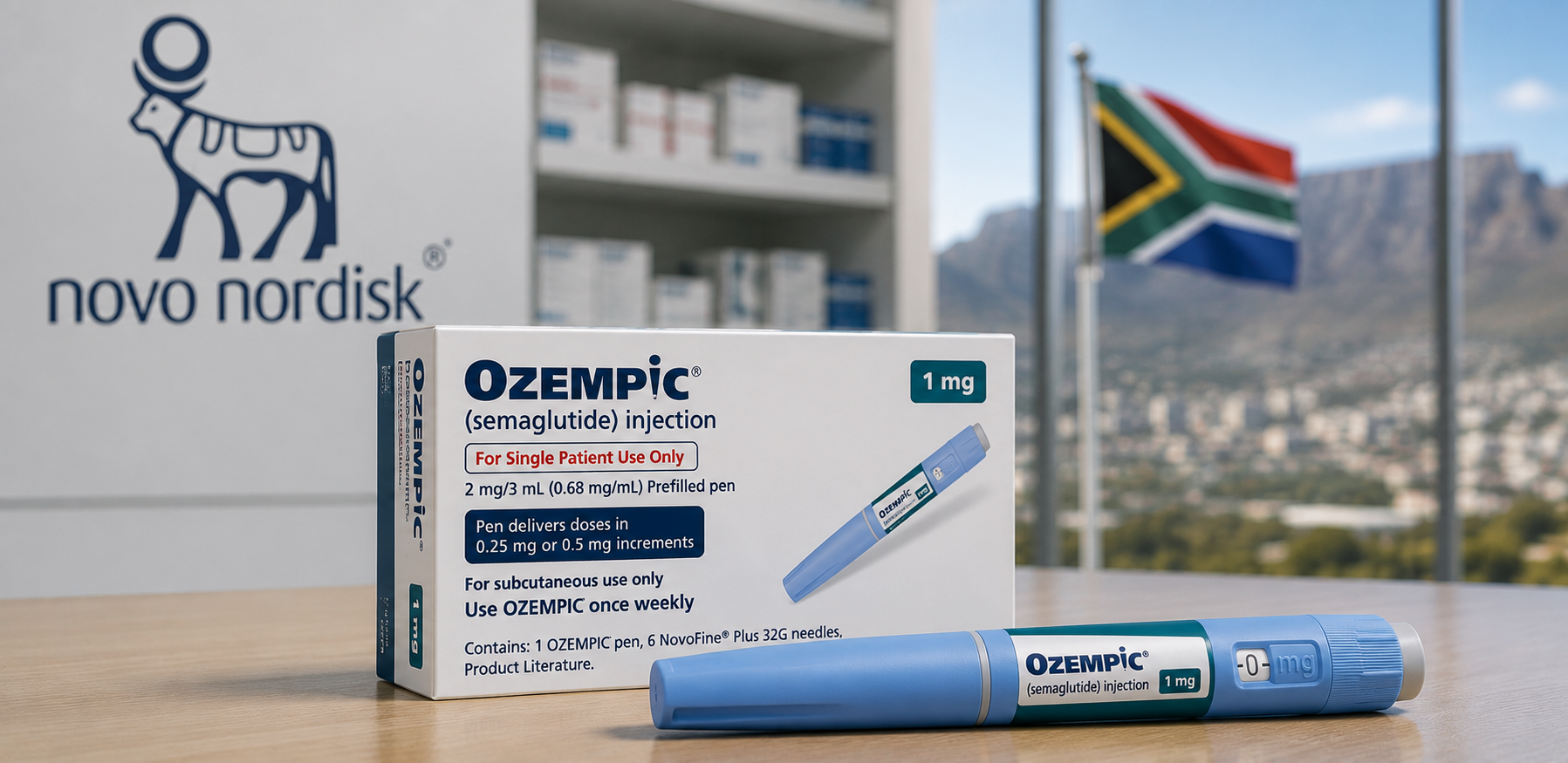
Novo Nordisk has announced plans to introduce a lower-cost version of Ozempic in South Africa, aiming to make its widely used diabetes medication more affordable as competition in the GLP-1 market intensifies.
The company said the move is designed to improve access for patients living with type 2 diabetes, particularly in markets where the high cost of newer diabetes therapies has limited their availability. The launch also comes as pharmaceutical companies prepare for increasing competition from generic medicines and biosimilars while responding to growing demand for GLP-1 treatments worldwide. (reuters.com)
Although Ozempic has become globally recognized for its effects on blood sugar control—and its popularity for weight loss—the company's latest strategy focuses on improving affordability for people with diabetes in an important emerging healthcare market.
What Is Ozempic?
Ozempic is a once-weekly injectable medicine used to treat type 2 diabetes.
Its active ingredient, semaglutide, belongs to a class of medications known as GLP-1 receptor agonists.
These medicines help:
- Lower blood sugar.
- Stimulate insulin release when blood sugar rises.
- Reduce the amount of glucose produced by the liver.
- Slow stomach emptying.
- Reduce appetite.
In addition to improving blood sugar control, Ozempic has also demonstrated cardiovascular benefits in certain patients with type 2 diabetes, making it an important treatment option for people at high risk of heart disease.
Why Affordability Matters
Although GLP-1 medicines have transformed diabetes treatment, their cost remains one of the biggest barriers to widespread access.
Many healthcare systems, insurers, and patients face challenges related to:
- High medication prices.
- Limited insurance coverage.
- Budget constraints.
- Unequal access between high-income and lower-income countries.
Lower-cost versions can help expand treatment to more patients who might otherwise be unable to afford these therapies.
In countries where public healthcare resources are limited, reducing prices can significantly increase the number of people receiving modern diabetes treatment.
Diabetes Continues to Rise Worldwide
Type 2 diabetes remains one of the fastest-growing chronic diseases globally.
Contributing factors include:
- Aging populations.
- Rising obesity rates.
- Physical inactivity.
- Unhealthy diets.
- Urbanization.
If left untreated, diabetes can lead to serious complications such as:
- Heart disease.
- Kidney failure.
- Vision loss.
- Stroke.
- Nerve damage.
- Lower-limb amputations.
Improving access to effective medications is considered a key strategy for reducing these long-term health risks.
Growing Competition in the GLP-1 Market
Novo Nordisk's pricing strategy also reflects increasing competition within the rapidly expanding GLP-1 market.
Several pharmaceutical companies are developing or marketing competing therapies for:
- Type 2 diabetes.
- Obesity.
- Cardiovascular risk reduction.
As patents gradually expire in some regions and additional manufacturers enter the market, pricing pressure is expected to increase.
Many healthcare analysts believe greater competition could improve patient access while encouraging continued innovation across metabolic disease treatments.
Why South Africa Matters
South Africa has one of the largest healthcare markets on the African continent and faces a growing burden of diabetes and obesity.
Improving access to modern diabetes therapies could:
- Increase treatment rates.
- Improve blood sugar control.
- Reduce diabetes-related complications.
- Lower long-term healthcare costs.
The launch may also serve as a model for introducing more affordable versions of innovative medicines in other middle-income countries.
Industry Impact
- Pharmaceutical Companies: Novo Nordisk's pricing strategy demonstrates how manufacturers are adapting to growing competition while seeking to expand access in emerging markets.
- Healthcare Providers: Clinicians may have greater opportunities to prescribe GLP-1 therapies if affordability improves for patients with type 2 diabetes.
- Patients: Lower-cost treatment options could enable more individuals to receive effective diabetes care and improve long-term disease management.
- Healthcare Systems: Expanding access to modern diabetes medicines has the potential to reduce future complications, hospitalizations, and healthcare spending associated with poorly controlled diabetes.
Why This Matters
Novo Nordisk's decision reflects an important shift in the global pharmaceutical industry: balancing innovation with affordability.
While advanced medicines like Ozempic have significantly improved diabetes treatment, high prices have limited access for many patients worldwide. Introducing lower-cost versions in selected markets represents one approach to expanding access while maintaining continued investment in pharmaceutical innovation.
The announcement also highlights the growing importance of emerging healthcare markets. As diabetes prevalence continues rising outside North America and Europe, pharmaceutical companies are increasingly tailoring pricing and market strategies to improve access across diverse healthcare systems.
Key Takeaways
- Novo Nordisk plans to launch a lower-cost version of Ozempic in South Africa. (reuters.com)
- The initiative aims to improve affordability and expand access for people living with type 2 diabetes.
- Ozempic is a GLP-1 receptor agonist that helps lower blood sugar and offers cardiovascular benefits for certain patients.
- The move reflects growing competition in the global GLP-1 market.
- Improving access to effective diabetes therapies could reduce long-term complications and healthcare costs.
What This Means for Healthcare Marketers
Novo Nordisk's pricing strategy highlights how access and affordability are becoming increasingly important competitive differentiators in the pharmaceutical industry. As innovative therapies mature, companies are being challenged to expand access beyond high-income markets while maintaining sustainable business models. Pricing strategies, regional launches, and market-specific product offerings are becoming as strategically important as scientific innovation.
For healthcare marketers, the announcement demonstrates the value of understanding local healthcare systems and tailoring commercialization strategies accordingly. Success in emerging markets often depends not only on clinical evidence but also on affordability, reimbursement, and patient access. Organizations that effectively balance innovation with accessibility are likely to strengthen their long-term market position.
For healthcare intelligence teams, this development underscores the importance of monitoring global pricing strategies, regional product launches, competitive dynamics, and access initiatives. These trends provide valuable insight into how pharmaceutical companies are adapting to changing market conditions while addressing the growing worldwide burden of chronic diseases such as diabetes.