Older Americans Expected to Flock to Medicare's New $50 GLP-1 Weight-Loss Drug Program
What's Happening
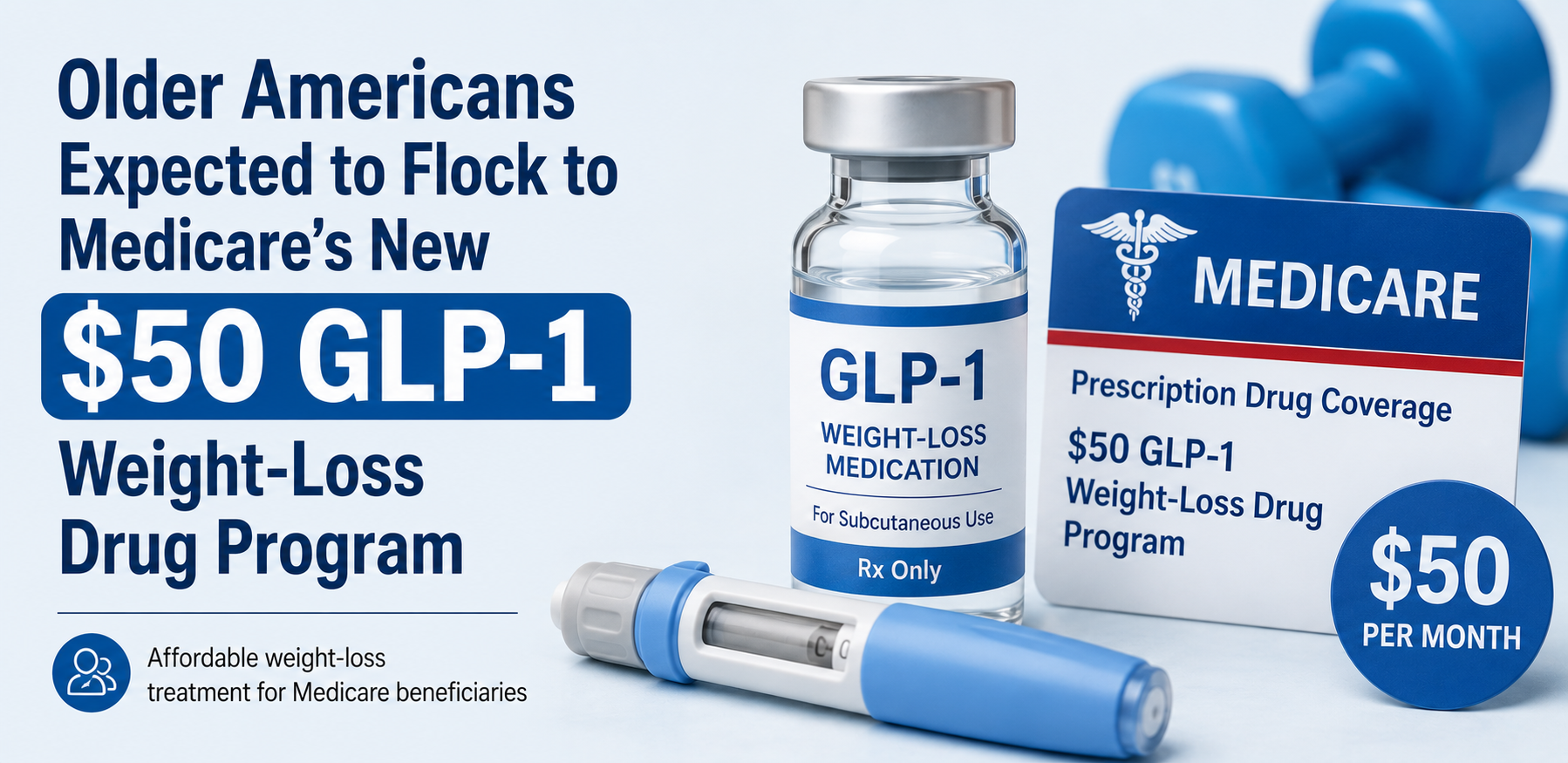
A new Medicare pilot program offering eligible beneficiaries access to popular GLP-1 weight-loss medications for $50 per month is expected to attract strong interest from older Americans who have long been unable to afford these treatments.
Beginning July 1, 2026, the Medicare GLP-1 Bridge demonstration program expands access to obesity medications for beneficiaries who meet specific medical eligibility requirements. Healthcare providers and policy experts believe demand could be substantial because Medicare has historically provided very limited coverage for weight-loss drugs prescribed solely for obesity.
Until now, many older adults paid hundreds, or even more than $1,000, per month out of pocket if they wanted to use medications such as Wegovy or Zepbound for weight management. The new program significantly reduces those costs, making treatment financially accessible for many patients who previously could not afford it. (reuters.com)
While physicians generally welcome the expanded access, they also caution that medication alone is not enough. Successful obesity treatment in older adults requires careful medical supervision, nutritional support, physical activity, and long-term follow-up.
Why Older Adults Have Been Left Behind
GLP-1 medications have transformed obesity treatment over the past several years.
Millions of Americans with commercial insurance have gained access to these medicines, while employers and private insurers have gradually expanded coverage.
Medicare beneficiaries, however, have largely remained excluded.
Federal law traditionally prevented Medicare from covering medications prescribed solely for weight loss.
Although some patients qualified for coverage because they had type 2 diabetes or certain cardiovascular conditions, many older adults with obesity alone had no insurance coverage.
As a result, many retirees simply could not afford treatment.
This created a significant gap between older Americans and younger patients covered through employer-sponsored insurance.
The new Medicare demonstration is designed to address that gap while evaluating whether broader coverage improves health outcomes.
Why Obesity Is a Major Health Concern for Seniors
Obesity affects millions of adults over the age of 65.
For older adults, excess weight increases the risk of developing numerous chronic conditions, including:
- Heart disease
- Type 2 diabetes
- Stroke
- Osteoarthritis
- High blood pressure
- Chronic kidney disease
- Sleep apnea
Obesity can also reduce mobility and make everyday activities more difficult.
Many physicians believe treating obesity earlier may help patients remain healthier and more independent as they age.
Improving weight management may also reduce hospitalizations and slow the progression of chronic diseases that become more common later in life.
Why GLP-1 Drugs Have Generated So Much Interest
GLP-1 medications work by mimicking a natural hormone that regulates appetite and blood sugar.
Patients taking these medicines often experience:
- Reduced hunger
- Slower stomach emptying
- Lower calorie intake
- Improved blood sugar control
- Significant weight loss
Large clinical trials have also shown benefits beyond weight reduction.
Some GLP-1 therapies have demonstrated the ability to reduce cardiovascular events in certain high-risk patients.
Researchers continue studying additional benefits involving:
- Kidney disease
- Liver disease
- Sleep apnea
- Heart failure
Because obesity contributes to many chronic illnesses, these medicines are increasingly viewed as treatments that may improve overall health rather than simply reduce body weight.
Why Physicians Are Optimistic
Many obesity specialists have welcomed the Medicare pilot.
They believe expanded access could allow physicians to treat obesity before it contributes to more serious health problems.
Doctors also note that older adults often have multiple chronic conditions that are closely linked to obesity.
Helping patients lose weight may improve:
- Blood pressure control
- Blood sugar levels
- Joint pain
- Physical function
- Quality of life
For many patients, improved mobility can also reduce the risk of falls and increase independence.
Physicians hope broader access will encourage more patients to seek treatment rather than avoiding care because of cost.
Why Some Experts Remain Concerned
Despite enthusiasm for expanded coverage, physicians emphasize that older adults require particularly careful monitoring while using GLP-1 medications.
Muscle Loss
Weight loss in older adults often includes both fat and muscle.
Loss of muscle mass can increase:
- Frailty
- Fall risk
- Reduced strength
- Difficulty performing daily activities
Doctors recommend adequate protein intake and regular strength-training exercises to help preserve muscle during treatment.
Nutritional Deficiencies
Because GLP-1 drugs suppress appetite, some patients may eat substantially less.
Healthcare providers worry that reduced food intake could contribute to:
- Poor nutrition
- Vitamin deficiencies
- Reduced protein consumption
- Fatigue
Nutrition counseling is therefore considered an important part of treatment.
Long-Term Therapy
Obesity is generally considered a chronic disease.
Research has shown that many patients regain weight after stopping GLP-1 medications.
Because the Medicare pilot currently ends in December 2027, physicians are concerned about what happens if patients lose access after the demonstration concludes.
Many believe obesity treatment should be managed similarly to other chronic diseases that require ongoing therapy.
Healthcare Capacity Could Become a Challenge
Millions of Medicare beneficiaries may qualify for the new program.
That level of demand could place additional pressure on:
- Primary care physicians
- Endocrinologists
- Obesity medicine specialists
- Dietitians
- Pharmacists
Successful treatment requires more than writing a prescription.
Patients often benefit from:
- Lifestyle counseling
- Dietary guidance
- Exercise recommendations
- Regular follow-up appointments
- Monitoring for side effects
Healthcare systems may need additional resources to support large numbers of new patients entering obesity treatment programs.
What Medicare Hopes to Learn
The Medicare GLP-1 Bridge program is designed as a demonstration project rather than a permanent benefit.
Throughout the program, CMS will study whether expanded coverage leads to:
- Better health outcomes
- Lower hospitalization rates
- Reduced chronic disease complications
- Improved quality of life
- Lower long-term healthcare spending
The results could influence future Medicare policy decisions.
If the program demonstrates meaningful clinical and economic benefits, policymakers may consider making broader obesity drug coverage permanent.
Industry Impact
- Pharmaceutical Companies: Novo Nordisk and Eli Lilly could see significant increases in Medicare demand as eligible beneficiaries begin enrolling.
- Healthcare Providers: Clinicians may experience higher patient volumes and increased demand for obesity management services.
- Medicare: CMS will gain valuable real-world data on the effectiveness and cost of broader obesity drug coverage.
- Patients: Older Americans who previously could not afford GLP-1 medications may now have access to evidence-based obesity treatment.
Why This Matters
The Medicare GLP-1 Bridge program represents one of the most significant changes to obesity treatment policy in the United States.
For years, older Americans have had fewer treatment options than younger adults with commercial insurance despite often facing greater health risks related to obesity.
The demonstration program begins addressing that disparity by making highly effective medications substantially more affordable.
However, the initiative also highlights that treating obesity involves more than expanding drug coverage.
Long-term success depends on integrating medication with nutrition, exercise, ongoing medical supervision, and patient education.
The results of this demonstration could shape how obesity is treated within Medicare for years to come.
Key Takeaways
- Older Americans are expected to enroll in large numbers in Medicare's new GLP-1 Bridge program.
- The initiative reduces monthly medication costs to $50 for eligible beneficiaries.
- Expanded access could improve treatment of obesity and related chronic diseases.
- Physicians emphasize that medication should be combined with nutrition, exercise, and ongoing medical monitoring.
- CMS will evaluate whether broader coverage improves health outcomes and reduces healthcare costs before deciding whether to make the program permanent.
What This Means for Healthcare Marketers
The anticipated demand for Medicare's GLP-1 Bridge program demonstrates how reimbursement policy can rapidly change healthcare utilization. For healthcare marketers, expanded Medicare coverage opens an entirely new segment of older adults who were previously priced out of obesity treatment. Organizations supporting obesity care, including pharmaceutical companies, nutrition providers, digital health platforms, remote monitoring companies, specialty pharmacies, and patient support services, may see increased opportunities as enrollment grows.
The program also reinforces that obesity management requires coordinated care rather than medication alone. Healthcare organizations that offer integrated solutions combining physician oversight, nutritional counseling, behavioral support, exercise programs, and long-term patient engagement may be better positioned to support this expanding patient population.
For healthcare intelligence teams, the demonstration will provide valuable insight into treatment adherence, healthcare utilization, patient outcomes, and reimbursement trends among older adults. Monitoring enrollment patterns, provider adoption, and real-world clinical outcomes will help organizations better understand the evolving role of GLP-1 therapies within Medicare.
More broadly, the program reflects a significant shift in healthcare policy toward recognizing obesity as a chronic disease requiring sustained medical management. As evidence continues to grow regarding the broader health benefits of GLP-1 therapies, Medicare's experience may influence future reimbursement decisions across both public and private healthcare systems.