
Older Drug Appears to Improve Blood Sugar Control in Type 1 Diabetes
What's happening
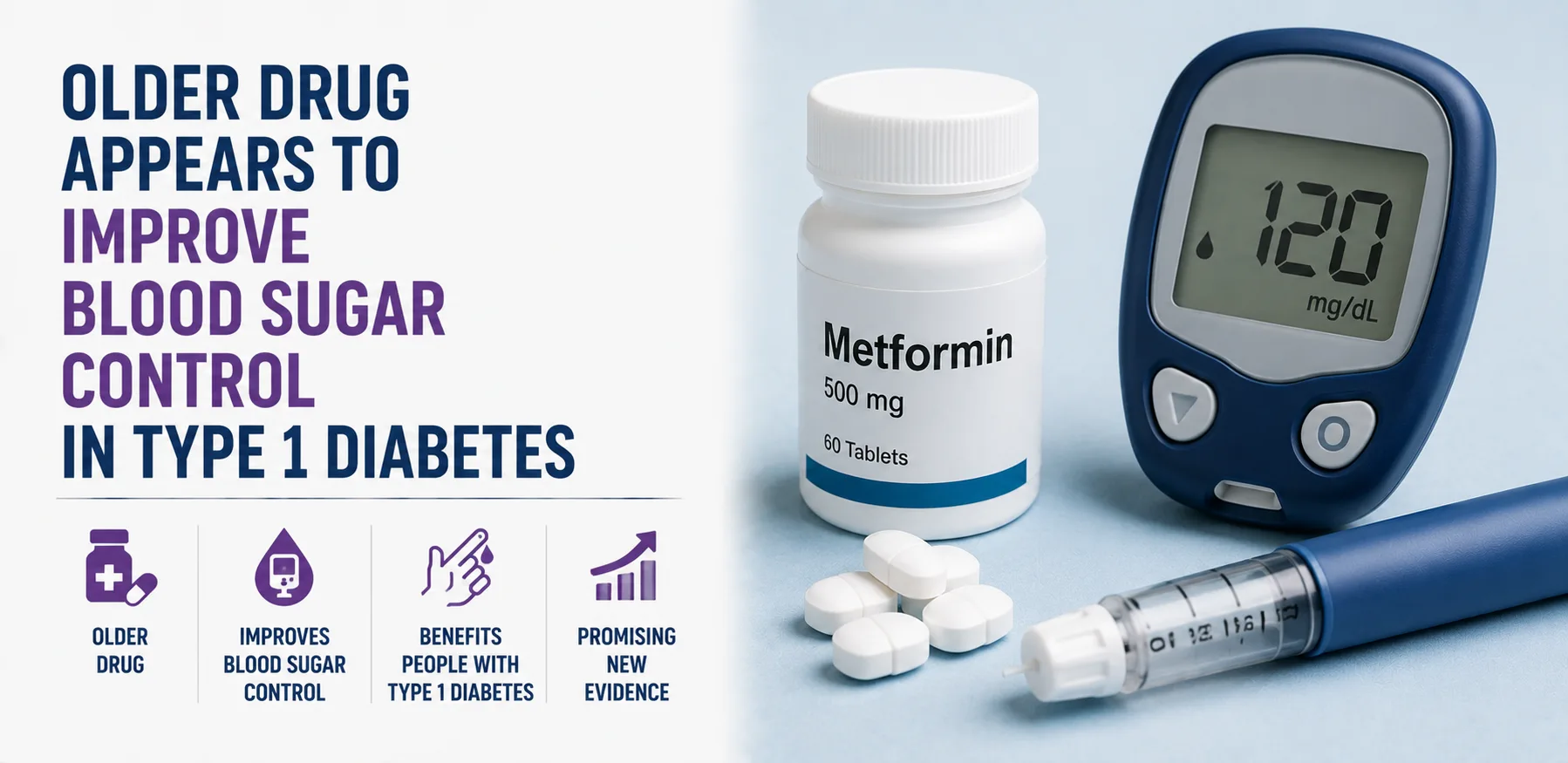
A team of clinical researchers reported that a low-cost, century-old drug may significantly improve glycemic control in patients diagnosed with Type 1 diabetes. Published data suggests that the therapeutic mechanism functions by fundamentally reprogramming specific white blood cells, mitigating the rogue immune system activity that characterizes the disease.
Rather than providing a temporary metabolic patch, early findings indicate that this treatment paradigm successfully targets the deep, underlying cellular triggers of autoimmunity, potentially slowing or blocking progressive tissue destruction.
What's changing / Business impact
While the clinical data remains in early stages, it signals a massive paradigm shift in how endocrinologists approach Type 1 diabetes care pipelines. For decades, the therapeutic marketplace has focused almost exclusively on symptom tracking, continuous glucose monitors (CGMs), and regular insulin replacement therapies.
Developing scalable methods to modify systemic immune behavior could drastically reduce long-term dependency on synthetic insulin analogs. For healthcare providers and insurance networks, leveraging cheap, pre-existing chemical compounds instead of specialized biologics could significantly lower chronic disease management costs globally.
Why this matters
Type 1 diabetes is fundamentally an autoimmune disorder where the body's defensive T-cells mistakenly target and destroy insulin-producing beta cells within the pancreatic islets. Because the root driver is immunological rather than dietary, medical pioneers have long sought ways to "reset" the immune system without inducing dangerous, full-body immunosuppression.
Repurposing established, safety-tested generic drugs offers a highly accelerated pathway through regulatory loops. Successfully converting a known chemical entity into a frontline autoimmune intervention offers a faster, safer, and significantly more scalable route to clinical deployment than building novel synthetic molecules from scratch.