Pentagon Announces Testosterone Screening Initiative for U.S. Troops, Expanding Focus on Military Health
What's Happening
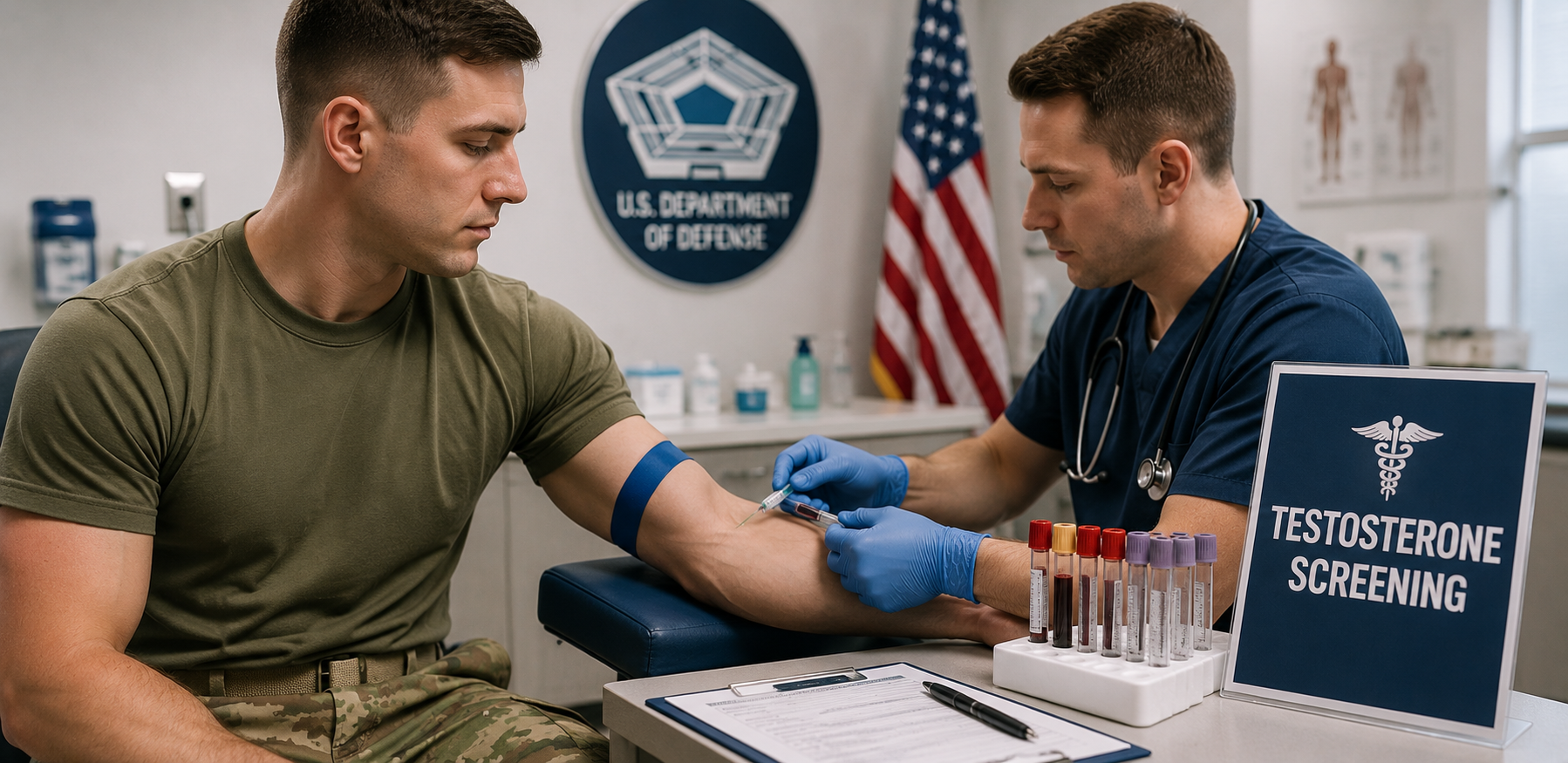
The U.S. Department of Defense has announced that the military will begin incorporating testosterone screening into routine health evaluations for service members as part of a broader effort to improve force readiness, identify underlying health conditions earlier, and optimize long-term health among active-duty personnel.
Defense Secretary Pete Hegseth said the initiative is intended to help military physicians identify hormonal deficiencies that may affect physical performance, recovery, mental well-being, and overall operational readiness. The screening program will become part of broader medical assessments conducted for eligible service members. (reuters.com)
The announcement has generated discussion among military physicians and endocrinologists regarding the appropriate use of hormone testing, who should be screened, and how abnormal results should be managed within the armed forces.
What Is Testosterone?
Testosterone is a naturally occurring hormone produced primarily in the testes in men and, in smaller amounts, in the ovaries and adrenal glands in women.
It plays an important role in regulating:
- Muscle mass and strength.
- Bone density.
- Red blood cell production.
- Energy levels.
- Sexual function.
- Mood.
- Recovery from physical activity.
Although testosterone levels naturally decline with age, some individuals develop clinically low testosterone (hypogonadism) due to medical conditions affecting hormone production.
Why Testosterone Matters in the Military
Military personnel are often required to perform physically demanding tasks under stressful conditions.
Optimal hormone levels can influence several aspects of military performance, including:
- Physical endurance.
- Strength and muscle recovery.
- Fatigue management.
- Cognitive performance.
- Overall readiness for deployment.
However, healthcare experts emphasize that testosterone is only one factor affecting physical performance. Nutrition, sleep, mental health, training, chronic illness, and overall fitness all play significant roles in maintaining operational readiness.
Routine screening may help identify service members whose symptoms are related to an underlying medical condition rather than simply the demands of military service.
Symptoms of Low Testosterone
Not everyone with low testosterone experiences symptoms, but when they occur they may include:
- Persistent fatigue.
- Reduced muscle strength.
- Decreased exercise performance.
- Lower libido.
- Mood changes.
- Difficulty concentrating.
- Reduced bone density.
- Slower recovery after physical activity.
Because many of these symptoms overlap with stress, overtraining, depression, or other medical conditions, physicians typically perform a comprehensive evaluation before making a diagnosis.
How Is Low Testosterone Diagnosed?
Testosterone deficiency cannot be diagnosed based on symptoms alone.
Healthcare providers generally evaluate:
- Medical history.
- Physical examination.
- Morning blood testosterone levels.
- Repeat laboratory testing to confirm abnormal results.
- Additional hormone testing when necessary.
If low testosterone is confirmed, physicians investigate potential causes before considering treatment.
Possible contributing factors include obesity, chronic illnesses, certain medications, pituitary disorders, sleep apnea, or testicular disease.
Understanding Testosterone Replacement Therapy
Some individuals diagnosed with clinically low testosterone may benefit from testosterone replacement therapy (TRT).
Treatment may be provided through:
- Injectable medications.
- Skin gels.
- Patches.
- Long-acting implants.
TRT can improve symptoms in appropriately selected patients, but it is not recommended simply to enhance athletic performance or physical fitness.
Potential risks may include:
- Elevated red blood cell counts.
- Acne.
- Fertility impairment.
- Enlargement of the prostate.
- Cardiovascular considerations in certain patients.
For these reasons, treatment is typically supervised by healthcare professionals with ongoing laboratory monitoring.
Why the Initiative Is Drawing Attention
The Pentagon's decision highlights a growing emphasis on preventive healthcare and performance optimization within military medicine.
Supporters believe earlier identification of hormone deficiencies could:
- Improve overall troop health.
- Reduce fatigue-related performance issues.
- Support faster recovery.
- Enhance long-term readiness.
Others note that widespread screening should be accompanied by clear clinical guidelines to avoid unnecessary testing or treatment.
Medical experts generally agree that any hormone replacement decisions should remain individualized and based on established clinical evidence.
Industry Impact
- Military Healthcare: Military physicians may incorporate hormone evaluation into broader health assessments while developing standardized protocols for diagnosis and treatment.
- Endocrinology: The initiative brings increased attention to hormone health and the importance of evidence-based diagnosis of testosterone deficiency.
- Healthcare Providers: Primary care physicians may see greater public interest in testosterone testing as awareness increases following the military announcement.
- Diagnostic Industry: Expanded screening initiatives can increase demand for laboratory testing and related diagnostic services that evaluate hormone health.
Why This Matters
The Pentagon's announcement reflects a broader trend toward preventive and personalized healthcare.
Rather than focusing solely on treating illness after symptoms become severe, healthcare organizations are increasingly exploring ways to identify medical issues earlier and optimize overall health and performance.
For the military, maintaining a healthy and deployment-ready force is a critical operational priority. Hormone screening may become one additional tool for identifying medical conditions that could affect readiness, provided testing and treatment remain grounded in established clinical guidelines.
The announcement also contributes to a wider public conversation about testosterone deficiency, emphasizing the importance of distinguishing medically diagnosed hormone disorders from the growing commercial market for performance-enhancing hormone therapies.
Key Takeaways
- The Department of Defense announced plans to introduce testosterone screening for U.S. service members as part of broader health assessments. (reuters.com)
- Testosterone plays an important role in muscle strength, recovery, bone health, mood, and overall physical performance.
- Low testosterone requires laboratory confirmation and medical evaluation before treatment is considered.
- Testosterone replacement therapy is intended for clinically diagnosed hormone deficiency, not routine performance enhancement.
- The initiative reflects growing interest in preventive healthcare and optimizing military readiness through earlier identification of underlying health conditions.
What This Means for Healthcare Marketers
The Pentagon's screening initiative highlights the growing role of preventive health assessments in improving long-term outcomes and operational performance. As healthcare increasingly shifts toward early detection and personalized care, demand is likely to grow for diagnostic tools, laboratory testing, and clinical decision support that help identify treatable conditions before they significantly affect quality of life or performance.
For healthcare marketers, the announcement demonstrates how population-specific health programs can influence broader conversations about preventive medicine. Organizations developing diagnostic technologies, occupational health solutions, or endocrine care services have opportunities to educate clinicians and patients about evidence-based screening while emphasizing appropriate diagnosis and treatment.
For healthcare intelligence teams, the initiative is a reminder that government healthcare programs can shape broader market trends. Monitoring military health policies, preventive screening programs, and updates to clinical practice guidelines can provide early insight into areas where diagnostic testing, healthcare services, and public awareness may expand in the years ahead.