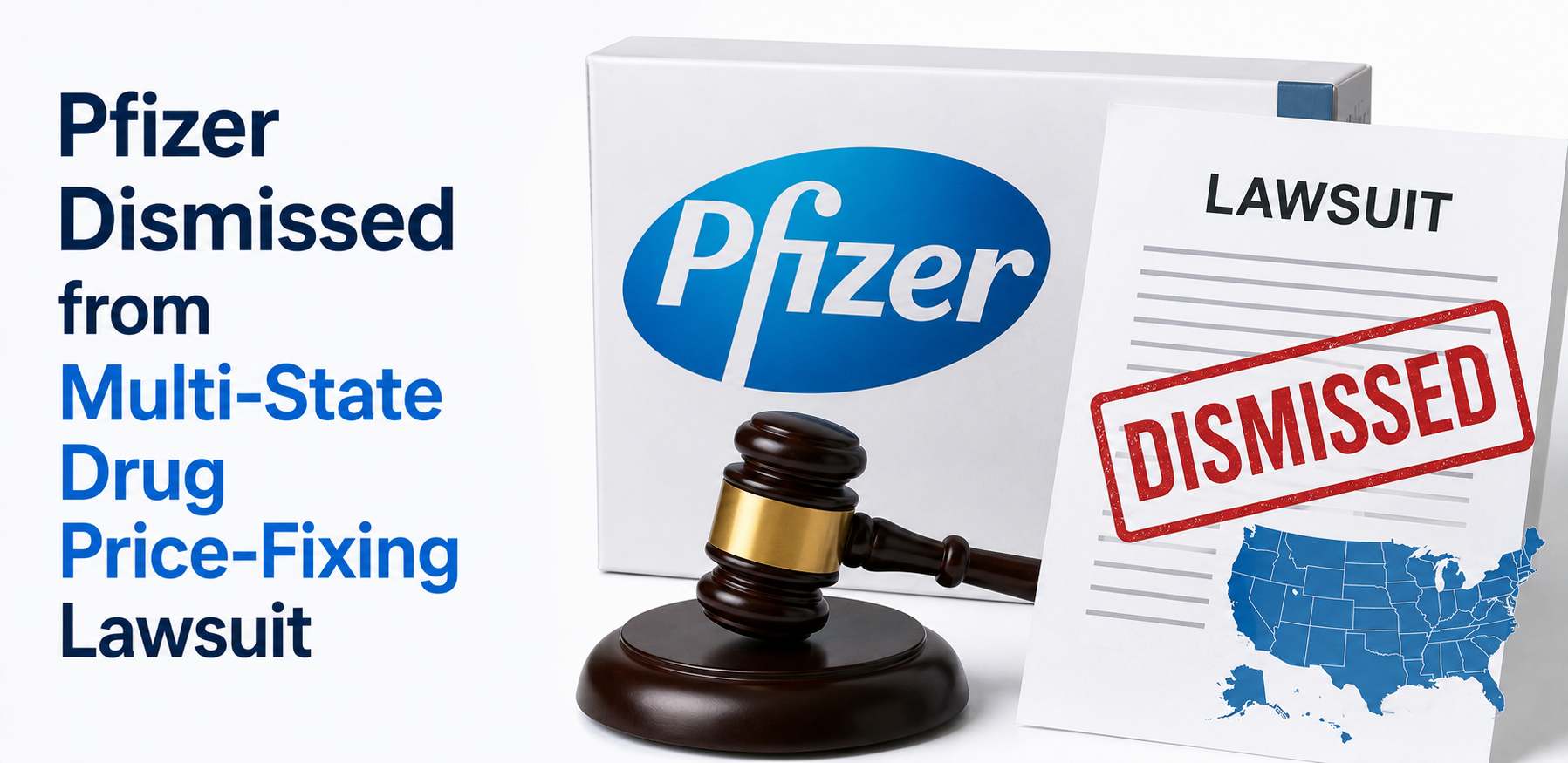
Pfizer Dismissed from Multi-State Drug Price-Fixing Lawsuit
What's Happening
A U.S. court dismissed Pfizer from a lawsuit brought by multiple states that accused several pharmaceutical companies of conspiring to inflate the prices of generic medicines.
The ruling removes Pfizer from the case, although legal proceedings against other defendants are expected to continue. The lawsuit is part of a broader effort by state attorneys general to investigate alleged anti-competitive practices within the generic drug industry.
States involved in the case alleged that various pharmaceutical companies coordinated pricing strategies, reduced competition, and artificially increased costs for certain medications. Pfizer denied the allegations and sought dismissal from the litigation.
The court ultimately concluded that the states had not presented sufficient evidence to support certain claims against Pfizer, resulting in the company's removal from the case.
While the decision represents a legal victory for Pfizer, the broader investigation into generic drug pricing practices remains ongoing.
Why Generic Drug Pricing Matters
Generic medicines play a critical role in the U.S. healthcare system.
Once patents on brand-name drugs expire, generic manufacturers can enter the market and offer lower-cost alternatives.
Generics account for the vast majority of prescriptions dispensed in the United States and are widely viewed as one of the most important tools for controlling healthcare costs.
They help:
- Reduce prescription spending
- Improve patient access to treatment
- Increase market competition
- Lower costs for insurers and employers
- Support healthcare affordability
Because generic drugs are intended to compete on price, regulators pay close attention to any behavior that could limit competition.
What Is Price-Fixing?
Price-fixing occurs when competing companies allegedly coordinate prices rather than allowing market competition to determine them independently.
In competitive markets, companies are expected to set prices on their own based on factors such as:
- Manufacturing costs
- Market demand
- Competition
- Supply chain conditions
Regulators and courts generally consider agreements between competitors to raise or stabilize prices to be anti-competitive.
When such behavior occurs, it can lead to:
- Higher healthcare costs
- Reduced competition
- Increased spending by patients
- Higher costs for insurers
- Greater financial pressure on healthcare systems
Because prescription drugs affect millions of people, allegations involving pharmaceutical pricing often attract significant attention from regulators and lawmakers.
Why States Have Focused on Generic Drug Markets
For years, state attorneys general and federal regulators have investigated concerns involving certain segments of the generic drug industry.
These investigations emerged after unusual price increases were observed for some medicines that had historically been inexpensive.
Officials sought to determine whether those increases resulted from normal market conditions or improper coordination among manufacturers.
The investigations have led to:
- Lawsuits
- Settlements
- Regulatory reviews
- Ongoing legal disputes
While some companies have reached settlements over the years, others continue contesting the allegations in court.
The Pfizer ruling is one of many legal developments within this broader effort.
Why Competition Is Important in Healthcare
Competition plays a major role in healthcare affordability.
When multiple companies manufacture similar products, competition often encourages:
- Lower prices
- Improved supply reliability
- Greater product availability
- Innovation in manufacturing
When competition decreases, prices may rise and patients can face increased barriers to treatment.
This is especially important for generic medicines because they are frequently prescribed for chronic conditions such as:
- High blood pressure
- Diabetes
- Heart disease
- Mental health conditions
- Infectious diseases
Even modest price increases can affect large numbers of patients when medications are widely used.
What the Court's Decision Means
The dismissal does not necessarily resolve broader questions regarding generic drug pricing practices.
Instead, it means the court determined that the specific claims against Pfizer did not meet the legal standard required to proceed.
Other companies named in related litigation may still face ongoing legal challenges.
For Pfizer, the ruling removes a significant legal risk and reduces uncertainty associated with the lawsuit.
For state attorneys general, the broader effort to investigate and challenge alleged anti-competitive behavior in pharmaceutical markets continues.
Future court decisions may further shape how these cases are handled.
Why Investors and Healthcare Organizations Are Watching
Large pharmaceutical litigation can have significant implications for both companies and healthcare markets.
Investors often monitor these cases because legal outcomes can affect:
- Financial performance
- Reputation
- Regulatory scrutiny
- Future business operations
Healthcare organizations also pay attention because drug pricing directly influences:
- Insurance costs
- Pharmacy spending
- Employer healthcare expenses
- Patient affordability
The outcome of major pricing-related cases can influence broader discussions about competition and healthcare costs.
Industry Impact
- Pharmaceutical Companies: Drug manufacturers continue facing scrutiny regarding pricing practices and market competition.
- Regulators and State Attorneys General: Authorities remain focused on investigating potential anti-competitive behavior.
- Healthcare Payers: Insurers and employers continue seeking ways to manage prescription drug spending.
- Patients: Competition in generic drug markets remains important for maintaining affordable access to medications.
Why This Matters
The dismissal of Pfizer from the lawsuit represents an important legal development, but it does not end broader concerns regarding pharmaceutical pricing and competition.
Healthcare costs remain a major issue for patients, employers, insurers, and policymakers.
As a result, regulators are likely to continue closely monitoring markets where competition may be limited.
The case also illustrates the complexity of proving anti-competitive conduct in highly regulated industries such as pharmaceuticals.
Future rulings could further clarify how courts evaluate allegations involving drug pricing and market behavior.
Key Takeaways
- A U.S. court dismissed Pfizer from a multi-state drug price-fixing lawsuit.
- The case involved allegations that pharmaceutical companies coordinated generic drug prices.
- Pfizer denied the allegations and successfully sought dismissal.
- Generic drug competition plays a major role in controlling healthcare costs.
- Broader investigations involving pharmaceutical pricing continue.
What This Means for Healthcare Marketers
This story highlights the continued focus on drug pricing, affordability, and competition within healthcare markets.
For healthcare marketers, pricing-related litigation can influence public perception, policy discussions, payer relationships, and market dynamics. Even when companies prevail in court, healthcare affordability remains a central concern for patients, employers, and government agencies.
The case also demonstrates how competition continues to be a key driver of value in healthcare. Organizations that improve access, affordability, and transparency may be better positioned to respond to evolving market expectations.
For healthcare intelligence teams, legal developments involving pharmaceutical pricing can provide insight into future regulatory priorities and policy debates. Monitoring these cases may help organizations understand how healthcare stakeholders are approaching affordability challenges across the industry.
More broadly, the ruling reflects ongoing efforts to balance innovation, competition, and healthcare costs in a market where prescription drug spending remains a major focus for policymakers and healthcare leaders.