Trump Administration Faces Lawsuit Over Ban on Gender-Affirming Care Coverage for Federal Workers
What's Happening
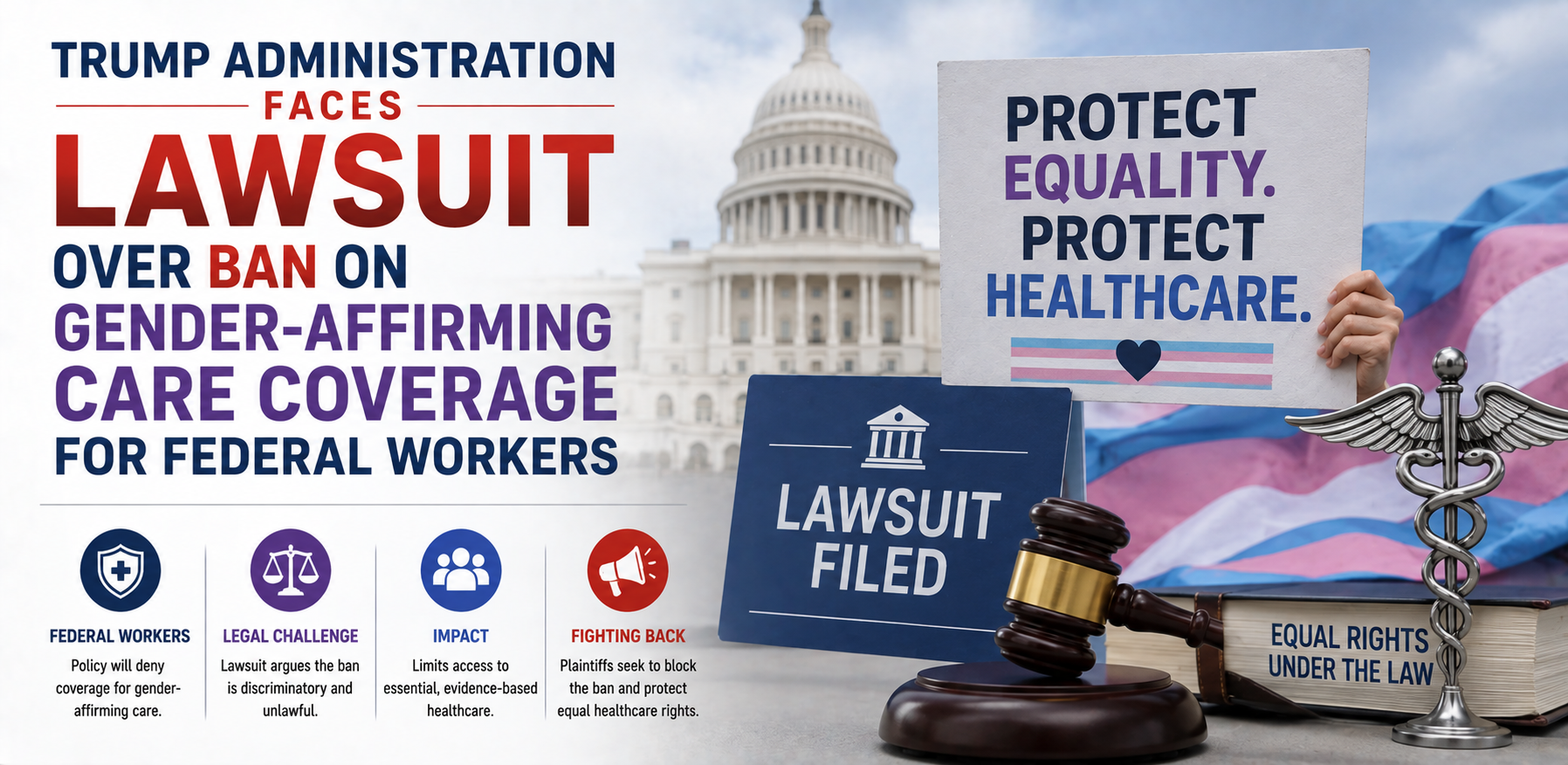
The Trump administration is facing a lawsuit challenging its decision to end federal health insurance coverage for gender-affirming care for transgender federal employees and their families.
The lawsuit argues that the policy unlawfully discriminates against transgender individuals by excluding medically necessary healthcare services that were previously covered under the Federal Employees Health Benefits (FEHB) Program.
Plaintiffs are seeking to block the policy, claiming it violates federal anti-discrimination protections and unfairly limits access to medically recommended healthcare for transgender patients.
Understanding Gender-Affirming Care
Gender-affirming care refers to a range of medically recognized treatments that help align an individual's physical characteristics with their gender identity.
Depending on a patient's medical needs, care may include:
- Mental health counseling.
- Hormone replacement therapy.
- Surgical procedures.
- Ongoing medical monitoring.
- Preventive healthcare services.
Treatment plans are individualized and are developed by healthcare providers based on established clinical guidelines.
Why the Lawsuit Matters
The case centers on whether the federal government can exclude gender-affirming care from health insurance coverage for its employees.
Supporters of the lawsuit argue that medically necessary treatments should not be excluded solely because they relate to gender identity.
The outcome could affect healthcare coverage for hundreds of thousands of federal employees and their dependents while also influencing future policies surrounding insurance coverage for gender-affirming healthcare.
Industry Impact
- Health Insurers: Federal health plans may need to revise their coverage policies depending on the outcome of the lawsuit.
- Healthcare Providers: Hospitals, physicians, and clinics that provide gender-affirming care are closely monitoring the case because it could affect patient access to treatment and reimbursement.
- Federal Employees: Changes to insurance coverage could directly impact access to medically recommended care for transgender federal workers and their families.
- Healthcare Policy: The lawsuit may influence future discussions surrounding healthcare coverage, anti-discrimination protections, and employer-sponsored health benefits.
Looking Ahead
The case will proceed through the federal court system, where judges will determine whether the administration's policy complies with federal law.
Depending on the outcome, the decision could reshape healthcare coverage policies for federal employees and potentially influence similar insurance policies adopted by other employers.
Healthcare organizations and insurers are expected to closely monitor the litigation given its potential implications for benefit design and healthcare access.
Why This Matters
Health insurance coverage plays a major role in determining access to healthcare services.
The lawsuit highlights the growing legal and policy debates surrounding employer-sponsored health benefits, anti-discrimination protections, and access to medically necessary care.
The court's decision could have significant implications for healthcare coverage policies affecting federal employees and broader discussions about health insurance benefits in the United States.
Key Takeaways
- The Trump administration is being sued over its decision to end federal health insurance coverage for gender-affirming care.
- Plaintiffs argue the policy unlawfully discriminates against transgender federal employees.
- The lawsuit focuses on healthcare coverage under the Federal Employees Health Benefits Program.
- The outcome could influence future healthcare benefit policies and insurance coverage decisions.
- Healthcare providers, insurers, and employers are closely watching the case because of its potential policy implications.
What This Means for Healthcare Marketers
The lawsuit highlights the evolving landscape of healthcare policy, employer-sponsored insurance, and healthcare access. Health insurers, healthcare providers, benefits administrators, and healthcare policy organizations continue adapting to changes in coverage requirements and regulatory expectations. For healthcare marketers, organizations involved in health benefits, care delivery, healthcare policy, and employee health solutions represent important opportunities for stakeholder education, policy communications, provider engagement, and strategic partnership development.