
Trump's Nominee for CDC Director Faces Senate Questions on Public Health Priorities
What's Happening
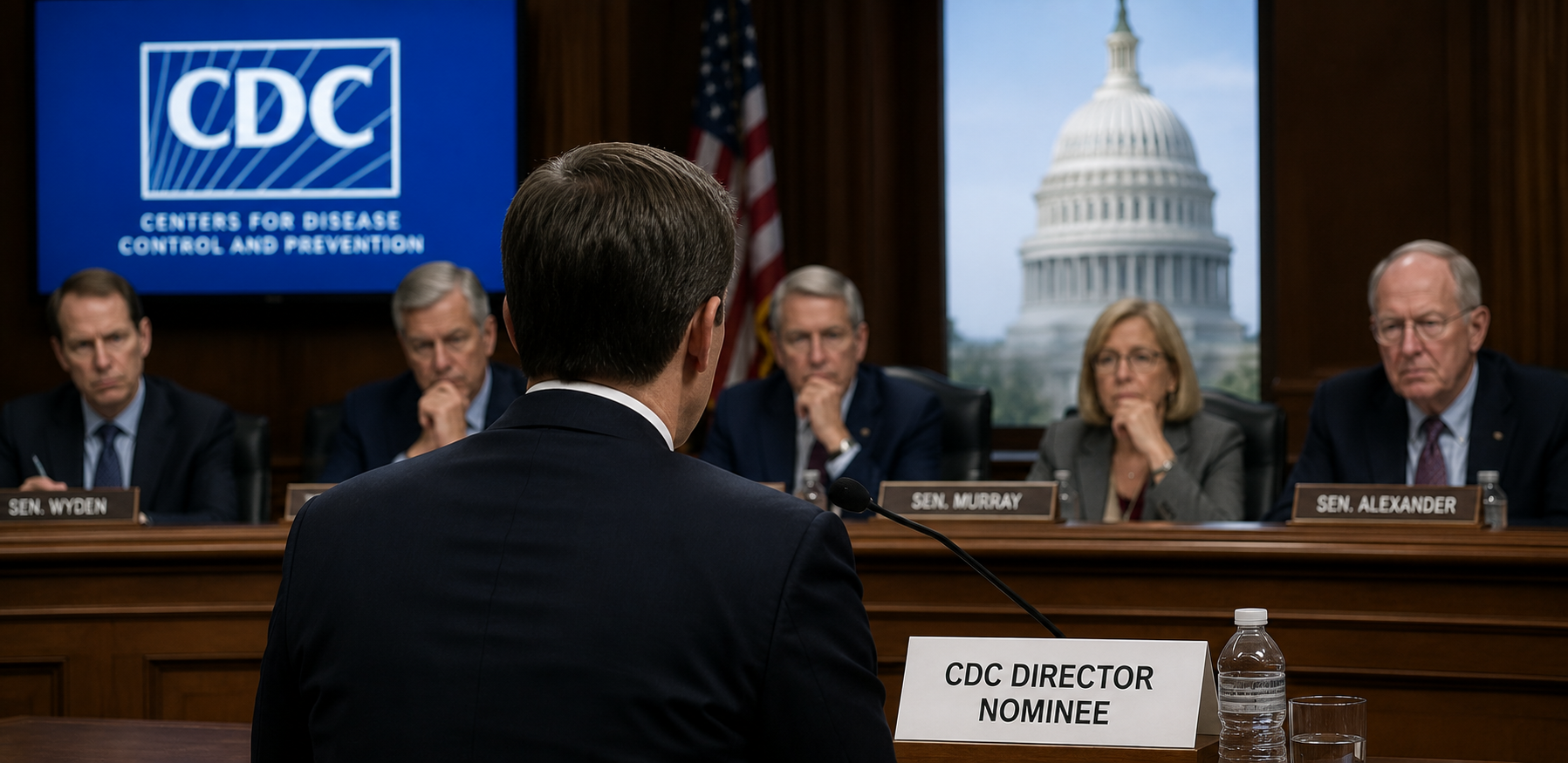
Dr. Erica Schwartz, President Donald Trump's nominee to lead the U.S. Centers for Disease Control and Prevention (CDC), appeared before the Senate Committee on Health, Education, Labor and Pensions on July 15, 2026, for a confirmation hearing. During the hearing, she outlined her priorities for the agency while facing pointed questions regarding her commitment to scientific integrity, vaccine policy, and her ability to maintain independence from Health and Human Services (HHS) Secretary Robert F. Kennedy Jr..
Senators from both parties pressed the nominee on how she would navigate potential political interference and address the agency's response to ongoing infectious disease challenges, such as the nation's measles resurgence. The hearing comes after a period of significant leadership turmoil at the CDC, which has lacked a permanent director for most of President Trump's second term.
What Is the CDC?
The Centers for Disease Control and Prevention (CDC) is the United States' national public health agency.
Its responsibilities include:
- Monitoring disease outbreaks.
- Tracking public health trends.
- Conducting scientific research.
- Providing health guidance to healthcare providers and the public.
- Supporting state and local health departments.
- Preparing for public health emergencies.
- Promoting disease prevention and health education.
The CDC plays a central role in responding to emerging infectious diseases while helping improve the overall health of Americans.
What Happens During a Senate Confirmation Hearing?
Many senior federal officials require Senate confirmation before assuming office.
During the hearing, senators evaluate the nominee's:
- Professional qualifications.
- Leadership experience.
- Scientific expertise.
- Policy priorities.
- Plans for managing the agency.
Lawmakers also ask questions about current public health issues and how the nominee would address future challenges if confirmed.
After the hearing, the Senate considers whether to approve the nomination.
Key Public Health Challenges Facing the CDC
The next CDC director will oversee programs addressing a wide range of health issues, including:
- Infectious disease surveillance.
- Pandemic preparedness.
- Foodborne illness outbreaks.
- Chronic disease prevention.
- Vaccination programs.
- Maternal and child health.
- Environmental health.
- Public health data modernization.
The agency also works closely with state health departments, hospitals, academic institutions, and international health organizations to strengthen disease detection and response.
Why Public Health Leadership Matters
Strong leadership helps public health agencies respond effectively to rapidly changing health challenges.
Effective leadership supports:
- Faster outbreak detection.
- Evidence-based public health guidance.
- Coordination between federal and state agencies.
- Scientific research.
- Emergency preparedness.
- Public communication.
As healthcare becomes increasingly data-driven, leaders must also oversee investments in modern surveillance systems, laboratory capacity, and digital public health infrastructure.
The Evolving Role of the CDC
In recent years, the CDC has expanded its focus beyond infectious diseases to include broader population health initiatives.
Current priorities include:
- Improving health equity.
- Strengthening chronic disease prevention.
- Expanding public health data systems.
- Supporting emergency preparedness.
- Enhancing laboratory capabilities.
- Promoting preventive healthcare.
The agency continues adapting its programs as new health threats and technologies emerge.
Industry Impact
- Public Health Agencies: Leadership changes may influence national public health priorities and future agency initiatives.
- Healthcare Providers: CDC recommendations continue guiding clinical practice, disease prevention efforts, and outbreak response across the United States.
- Researchers: Federal public health leadership helps shape research priorities and collaboration across healthcare institutions.
- Patients and Communities: CDC policies influence disease prevention programs, public health guidance, and national preparedness efforts that affect communities across the country.
Why This Matters
Leadership at the CDC plays a critical role in shaping the nation's response to both ongoing and emerging public health challenges.
The confirmation hearing provided lawmakers with an opportunity to examine the nominee's vision for strengthening disease surveillance, improving public health preparedness, and maintaining scientific leadership within one of the country's most influential health agencies.
As healthcare continues evolving, the CDC's ability to respond quickly to outbreaks, communicate effectively with the public, and support evidence-based decision-making will remain essential to protecting the health of millions of Americans.
Key Takeaways
- President Trump's nominee for CDC director, Dr. Erica Schwartz, appeared before a Senate committee for a confirmation hearing on July 15, 2026.
- Senators questioned the nominee on public health priorities, disease preparedness, scientific leadership, and the future direction of the CDC, particularly regarding vaccine policy and political independence.
- The CDC oversees disease surveillance, outbreak response, health research, and public health guidance across the United States.
- Strong public health leadership is essential for responding to emerging health threats and strengthening national preparedness.
- The Senate will determine whether to confirm the nominee following the confirmation process.
What This Means for Healthcare Marketers
The confirmation hearing highlights the significant influence federal public health leadership has on the direction of healthcare policy, disease prevention, and national preparedness initiatives. Decisions made by CDC leadership can shape priorities across infectious disease surveillance, chronic disease prevention, data modernization, and emergency response, affecting healthcare organizations throughout the United States.
For healthcare marketers, changes in public health leadership can provide early insight into emerging areas of focus for healthcare systems, providers, and life sciences organizations. Understanding evolving federal priorities helps organizations align educational initiatives, public health partnerships, and strategic planning with the issues most likely to influence healthcare delivery in the coming years.
For healthcare intelligence teams, leadership transitions at major federal health agencies are important indicators of future policy direction. Monitoring confirmation hearings, agency priorities, regulatory initiatives, and public health strategies can help organizations anticipate shifts that may influence research funding, disease surveillance, healthcare innovation, and national health policy.