Trump Administration to Announce Drug-Pricing Deals
What's Happening
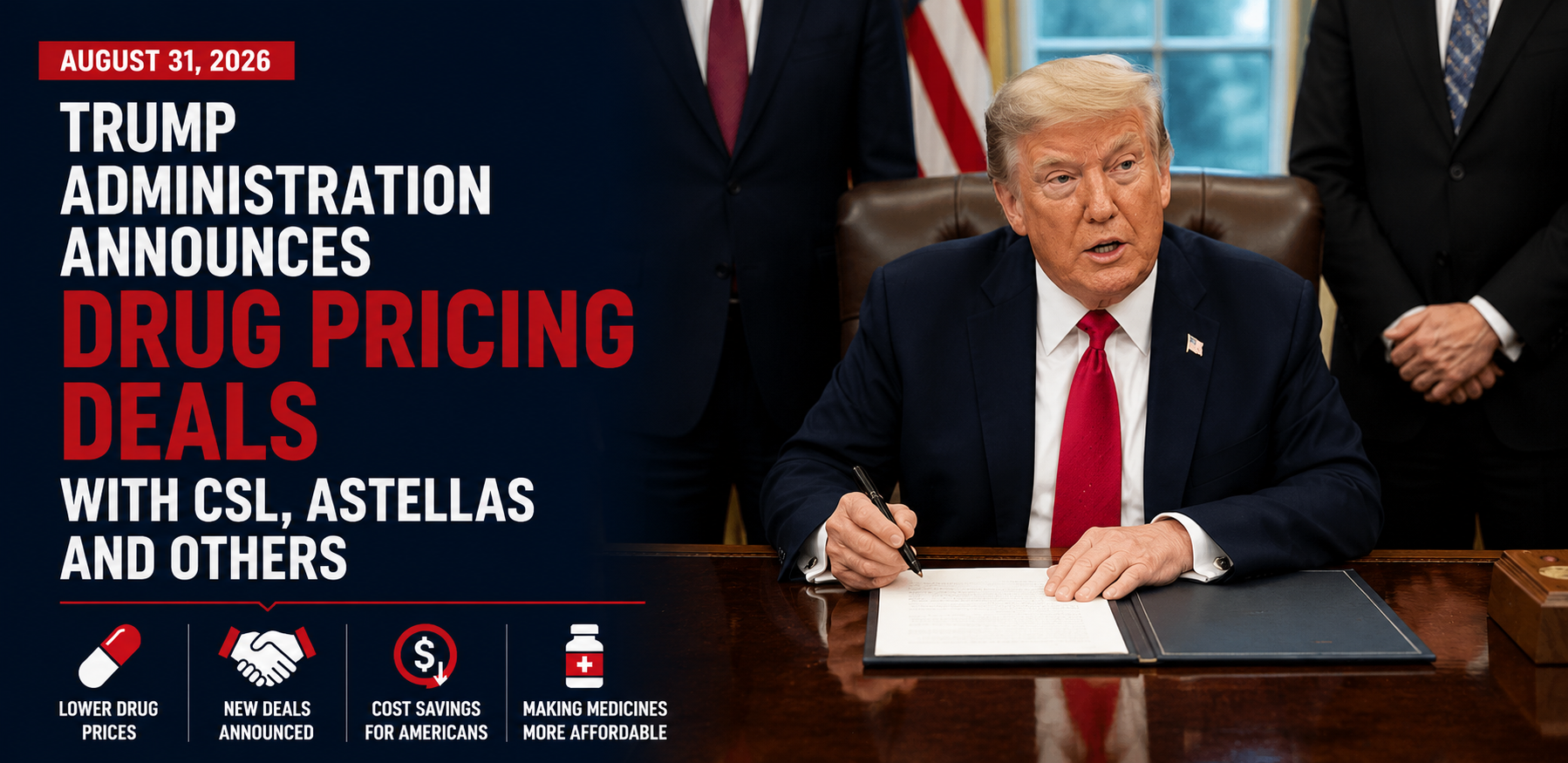
The Trump administration is preparing to announce a new round of drug-pricing agreements with pharmaceutical companies as part of its effort to reduce the cost of healthcare for Americans.
The agreements are expected to involve Bayer, Takeda, CSL and several mid-sized biotechnology companies, according to a report cited by Reuters. The White House scheduled an event focused on healthcare affordability for August 31. (Investing.com)
The initiative is part of President Donald Trump's broader push to make U.S. drug prices more closely reflect what patients pay in other developed countries.
What the Administration Is Trying to Change
U.S. patients generally pay significantly more for prescription medicines than patients in other wealthy countries.
The administration has been pressuring pharmaceutical companies to lower their U.S. prices and move toward international price comparisons.
The latest agreements would expand the administration's existing drug-pricing initiative, which has already involved negotiations with major pharmaceutical manufacturers.
Why Drug Prices Are a Major Issue
Prescription medicines represent a substantial portion of U.S. healthcare spending.
High drug prices can affect:
- Patient affordability.
- Insurance premiums.
- Employer healthcare costs.
- Government healthcare spending.
- Medication adherence.
- Access to innovative treatments.
For patients with chronic conditions who require medicines over many years, even relatively small changes in monthly costs can have a significant cumulative effect.
Impact on Pharmaceutical Companies
The administration's strategy creates pressure on pharmaceutical companies to accept lower U.S. prices.
Companies may have to balance:
- Lower prices in the U.S.
- International pricing differences.
- Revenue expectations.
- Market access.
- Government purchasing power.
- Potential trade-policy consequences.
For drugmakers, pricing decisions can also affect how they launch and position medicines across different countries.
Why This Matters to Medicaid and Government Programs
Government healthcare programs are among the largest purchasers of prescription medicines.
If pharmaceutical companies agree to lower prices for government programs, the potential effects could include:
- Lower government spending.
- Reduced costs for participating healthcare programs.
- Greater affordability for eligible patients.
- Changes in pharmaceutical reimbursement negotiations.
The actual savings, however, will depend on the specific medicines covered and the final terms of each agreement.
Broader Healthcare Industry Impact
The agreements could influence the way pharmaceutical companies negotiate with U.S. payers.
If more manufacturers accept international reference pricing or similar arrangements, insurers, government programs and other healthcare purchasers could use those agreements as leverage in future negotiations.
That could gradually change the economics of pharmaceutical pricing in the United States.
What Happens Next
The administration is expected to announce the agreements and provide additional details about the participating companies and pricing arrangements.
The healthcare industry will be watching closely to determine:
- Which medicines are covered.
- How large the price reductions are.
- Which government programs receive the discounts.
- Whether patients directly benefit.
- Whether additional drugmakers join the initiative.
Why This Matters
This is a major U.S. healthcare industry story because pharmaceutical pricing affects drug manufacturers, insurers, government healthcare programs, providers and patients.
The administration's approach could also have longer-term implications for how medicines are priced and negotiated in the U.S. healthcare system.
Key Takeaways
- The Trump administration is preparing a new round of drug-pricing agreements.
- Bayer, Takeda, CSL and several mid-sized biotech companies are expected to participate. (Investing.com)
- The initiative is intended to make U.S. prescription drugs more affordable.
- The administration is pushing manufacturers toward prices closer to those paid in other developed countries.
- The agreements could affect pharmaceutical revenue, government healthcare spending and patient affordability.
- The final impact will depend on the specific medicines and pricing terms included.
What This Means for Healthcare Marketers
The development is relevant to pharmaceuticals, market access, payer strategy, healthcare economics, pricing intelligence and government healthcare programs. Changes in drug pricing can directly influence how manufacturers approach payer negotiations, product launches, reimbursement and commercial strategy.