Trump's CDC Director Nominee Prepares for Senate Confirmation Hearing
What's Happening
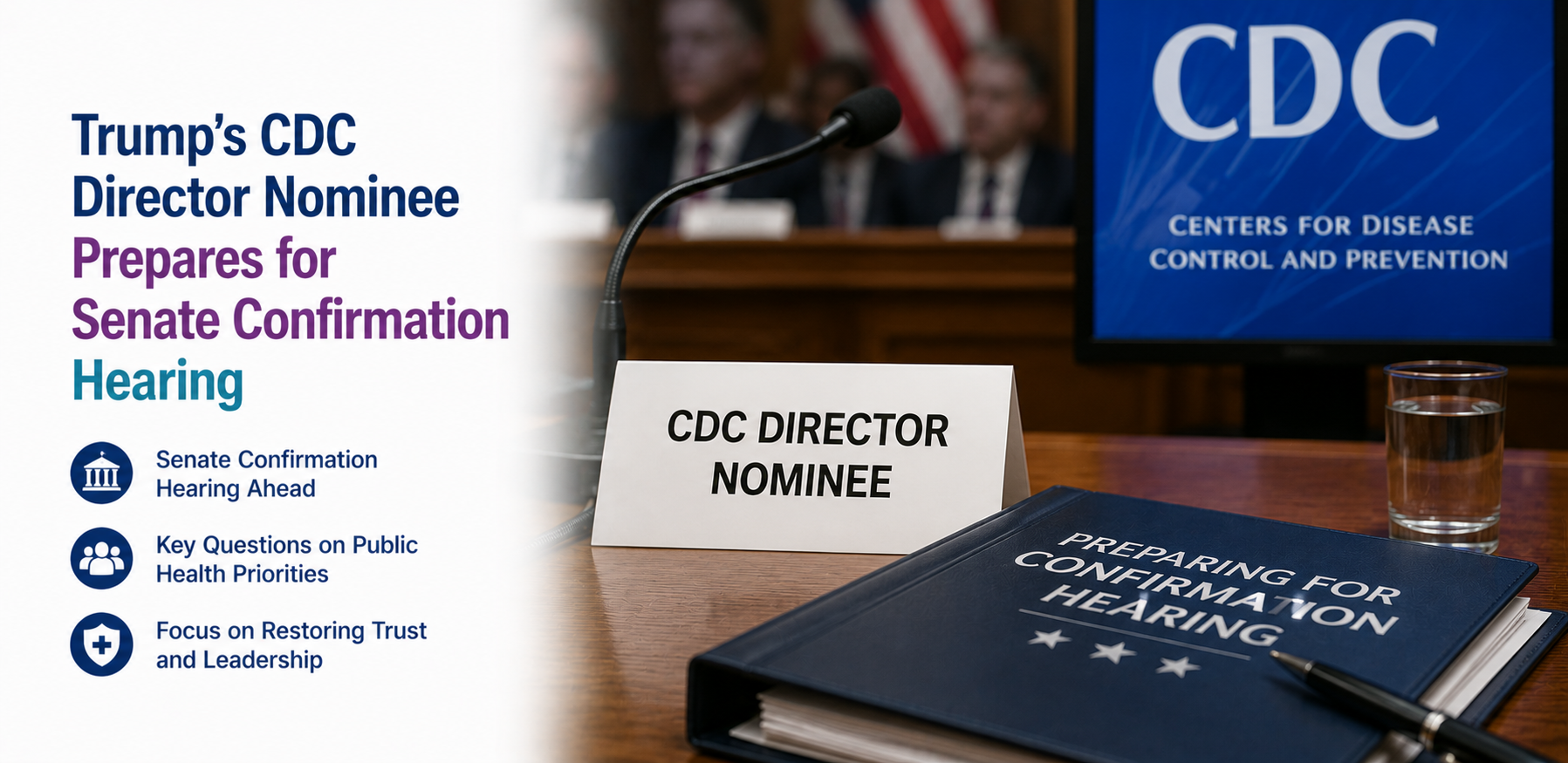
Dr. Erica Schwartz, President Donald Trump's nominee to lead the U.S. Centers for Disease Control and Prevention (CDC), is scheduled to appear before a Senate committee for her confirmation hearing next week. If confirmed, she would become the permanent director of the nation's leading public health agency during a period of significant change in U.S. health policy. (reuters.com)
The hearing will allow senators to question Schwartz about her qualifications, public health priorities, and plans for leading the CDC. As part of the confirmation process, she has already agreed to resign from outside positions, divest certain healthcare-related financial holdings, and comply with federal ethics requirements to avoid potential conflicts of interest if confirmed.
The nomination comes as the CDC continues adapting to changes in public health policy, infectious disease preparedness, chronic disease prevention, and healthcare surveillance.
What Does the CDC Do?
The Centers for Disease Control and Prevention (CDC) is the United States' primary public health agency. Its mission is to protect public health by preventing disease, responding to health emergencies, and improving the nation's overall health. The agency is responsible for:
- Monitoring infectious diseases.
- Investigating disease outbreaks.
- Developing public health guidelines.
- Supporting vaccination programs.
- Conducting health research.
- Tracking chronic diseases.
- Improving emergency preparedness.
- Providing health information to state and local health departments.
The CDC works closely with healthcare providers, hospitals, public health agencies, and international organizations to monitor and respond to health threats.
How Is the CDC Director Chosen?
Unlike many federal agencies, the CDC director is nominated by the President and must be confirmed by the U.S. Senate. During the confirmation process, nominees typically:
- Appear before a Senate committee.
- Answer questions about their qualifications.
- Discuss their policy priorities.
- Submit financial disclosure documents.
- Agree to comply with federal ethics rules.
If confirmed, the director oversees one of the largest public health organizations in the world and helps guide national responses to a wide range of health issues.
Why Ethics Requirements Matter
Senior government officials are required to follow strict ethics rules designed to prevent conflicts of interest. As part of her nomination, Schwartz agreed to:
- Resign from outside employment.
- Step down from corporate board positions.
- Sell certain healthcare-related investments.
- Recuse herself from specific matters involving former employers or financial interests for designated periods.
These requirements are intended to ensure that government decisions are made in the public interest rather than being influenced by personal financial relationships. Such ethics agreements are a standard part of the Senate confirmation process for senior executive branch nominees.
Challenges Facing the Next CDC Director
Whoever leads the CDC will oversee an agency responsible for addressing a wide range of public health priorities. These include:
- Infectious disease surveillance.
- Vaccine safety monitoring.
- Pandemic preparedness.
- Chronic disease prevention.
- Emerging health threats.
- Public health data modernization.
- Laboratory research.
- Coordination with state and local health departments.
The CDC also plays an important role in responding to emergencies such as disease outbreaks, natural disasters, and other public health crises. Maintaining public trust and ensuring timely communication remain essential components of the agency's mission.
What Happens During a Confirmation Hearing?
During the Senate hearing, lawmakers may ask questions about:
- Public health priorities.
- Agency leadership.
- Budget management.
- Scientific decision-making.
- Emergency preparedness.
- Collaboration with healthcare agencies.
- Ethical responsibilities.
Following the hearing, the committee votes on whether to advance the nomination to the full Senate. The full Senate then decides whether to confirm the nominee.
Why Leadership Matters at the CDC
Leadership transitions can influence how federal agencies prioritize resources, manage programs, and respond to emerging health issues. Although the CDC's scientific workforce continues its work regardless of leadership changes, the director helps establish strategic priorities and represents the agency during major public health events. Strong leadership is particularly important during periods of evolving healthcare challenges, including emerging infectious diseases, chronic disease prevention, and improvements in public health infrastructure.
Industry Impact
- Public Health Agencies: Federal, state, and local health departments closely monitor leadership changes at the CDC because of the agency's central role in coordinating public health programs.
- Healthcare Providers: Clinicians rely on CDC guidance for disease prevention, vaccination recommendations, infection control, and public health surveillance.
- Healthcare Industry: Pharmaceutical companies, healthcare organizations, and public health partners often work with the CDC on disease monitoring, prevention initiatives, and emergency preparedness.
- Patients: Although leadership changes do not immediately affect patient care, long-term public health priorities established by the CDC can influence disease prevention, health education, and national preparedness efforts.
Why This Matters
The confirmation hearing represents an important step in establishing permanent leadership at one of the nation's most influential public health agencies. The CDC plays a central role in protecting public health through disease surveillance, scientific research, emergency response, and health guidance. As healthcare challenges continue evolving, stable leadership will help shape how the agency addresses future priorities ranging from infectious disease preparedness to chronic disease prevention and public health modernization. The Senate confirmation process also reinforces the importance of transparency, ethics, and congressional oversight in selecting leaders for key federal healthcare institutions.
Key Takeaways
- Dr. Erica Schwartz will appear before a Senate committee for her confirmation hearing to become CDC director.
- The CDC is the nation's leading public health agency, responsible for disease surveillance, prevention, and emergency response.
- Schwartz agreed to resign outside positions, divest certain healthcare-related holdings, and follow federal ethics requirements if confirmed.
- The confirmation hearing allows senators to evaluate her qualifications, leadership plans, and public health priorities.
- Permanent leadership at the CDC will help guide the agency's future direction across multiple public health programs.
What This Means for Healthcare Marketers
Leadership transitions at major federal health agencies can influence healthcare priorities, funding decisions, and regulatory focus across the industry. While the CDC does not regulate drugs or medical devices like the FDA, its guidance shapes disease prevention strategies, public health surveillance, vaccination programs, and emergency preparedness efforts that affect healthcare organizations nationwide.
For healthcare marketers, understanding changes in public health leadership can help anticipate evolving priorities in areas such as infectious disease prevention, chronic disease management, health equity, and data modernization. Organizations working with providers, public health agencies, or population health programs should closely monitor strategic initiatives that emerge under new agency leadership.
For healthcare intelligence teams, Senate confirmation hearings provide early insight into future public health priorities and policy direction. Monitoring leadership appointments, congressional testimony, and agency initiatives can help organizations identify emerging trends that may influence healthcare planning, public health partnerships, and long-term market opportunities.