Trump's Vaccine Order Driven by Frustration Over Autism Research
What's Happening
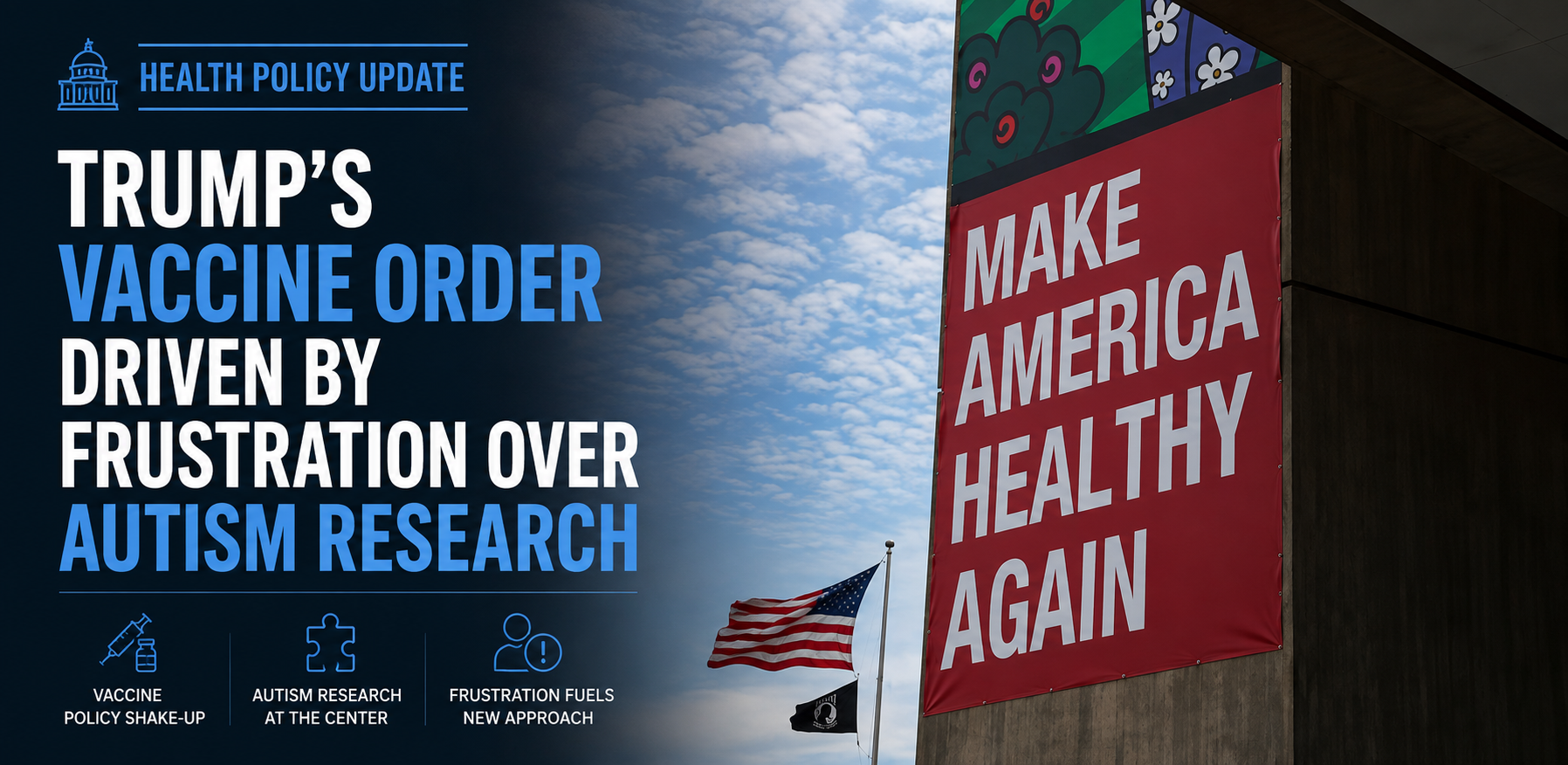
President Donald Trump's recent executive order reducing recommended childhood immunizations from 17 to 11 was driven in part by frustrations over the pace of federal autism and vaccine safety investigations, according to administration officials. The policy also recommends splitting the combined measles, mumps, and rubella (MMR) vaccine into individual shots, drawing swift warnings from medical experts regarding potential public health confusion.
What Drove the Decision
Tensions mounted as self-imposed timelines set by Health Secretary Robert F. Kennedy Jr. for producing new findings on autism passed without major conclusions. Following public inquiries during Cabinet meetings, the executive order was drafted rapidly to reshape federal immunization priorities.
What the Order Does
- Reduces the federal childhood immunization schedule to 11 core vaccines.
- Splits the MMR vaccine into three separate doses.
- Restricts certain immunizations primarily to high-risk groups.
- Expands clinical shared decision-making frameworks.
- Directs the Justice Department to challenge select state-level school vaccination mandates.
Why Experts Are Concerned
Public health organizations and pediatric associations warn that shifting federal guidelines will create widespread confusion among parents and clinicians. Discrepancies between federal guidance and established medical consensus risk increasing vaccine hesitancy and stalling already declining childhood vaccination rates.
Impact on Healthcare
- Pediatricians: Providers face increased friction navigating conflicting federal recommendations and reassuring concerned families.
- Vaccine Manufacturers: Demand patterns could shift significantly for products transitioned out of universal recommendation categories.
- Public Health Departments: State and local agencies must manage complex compliance landscapes as federal rules clash with localized school requirements.
- Families: Parents navigate mounting uncertainty regarding proper immunization schedules and child wellness milestones.
Looking Ahead
As ongoing federal studies on autism and vaccine safety continue, the administration faces active legal battles over its immunization policies, including pending appeals on previous federal scheduling injunctions.
Key Takeaways
- The federal childhood vaccination schedule was trimmed from 17 to 11 recommended vaccines by executive order.
- Decisions were spurred by administration impatience surrounding ongoing autism investigations.
- Medical organizations maintain that extensive scientific reviews show no causal link between vaccines and autism.
What This Means for Healthcare Marketers
The development has major implications for vaccines, pediatric healthcare, public-health communications, pharmaceutical companies, and provider education. Changes in federal recommendations can directly affect how healthcare organizations communicate with parents, physicians, and patients about vaccination and disease prevention. Strategic messaging must carefully address provider trust and patient reassurance amidst shifting regulatory directives.