What's Happening
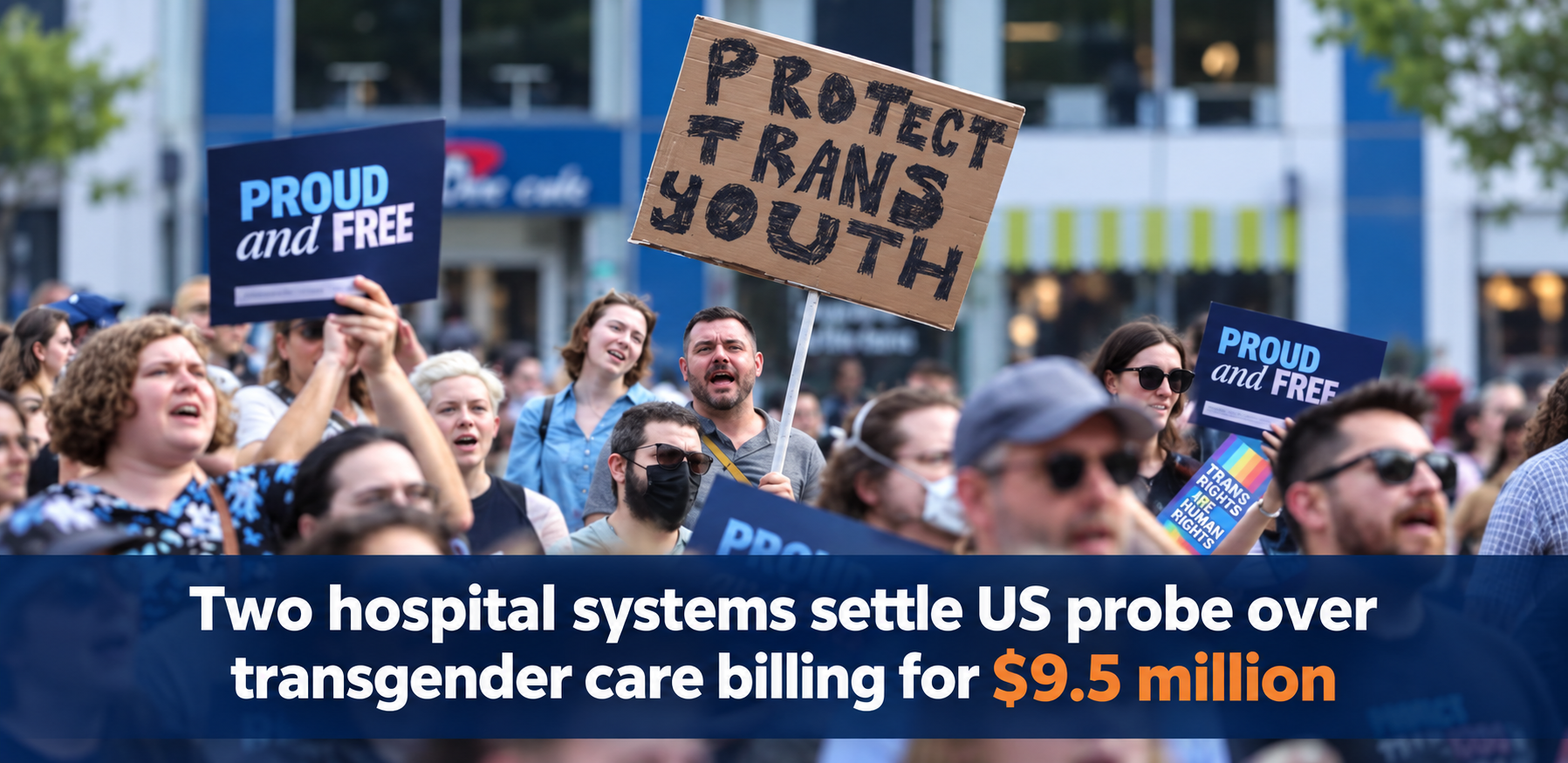
Two major U.S. hospital systems, NYU Langone Health in New York and University of Pittsburgh Medical Center (UPMC) in Pennsylvania, have reached agreements with the U.S. Department of Justice resolving federal investigations into their provision and billing of gender-affirming care for minors.
Under the agreements announced September 18, both health systems will stop providing puberty blockers, hormone treatments and surgical procedures related to gender-affirming care to patients under 18. NYU Langone will pay $8.5 million, while UPMC will pay $950,000, bringing the combined amount to about $9.45 million.
Both hospitals said the agreements do not constitute an admission of wrongdoing or liability. They also said the settlements include protections for the privacy and confidentiality of patients, families and healthcare providers involved in the investigation. (WSAU)
What the DOJ Investigation Alleged
The Justice Department's investigation examined whether the hospitals violated federal law in connection with gender-affirming treatment provided to minors and the way that treatment was billed.
According to the department, investigators were examining potential violations involving healthcare billing and claims submitted to government programs and private insurers. The investigation also considered allegations that providers used incorrect or false diagnosis codes when seeking reimbursement for gender-affirming services. (WSAU)
The federal inquiry was part of a broader investigation into healthcare providers offering gender-affirming treatment to minors.
The DOJ has been pursuing similar investigations involving a number of hospitals and health systems across the country. (WSAU)
What the Two Hospitals Agreed To
NYU Langone
NYU Langone agreed to pay $8.5 million as part of its resolution with the federal government.
The hospital system had already discontinued its transgender youth treatment program in February 2026, citing what it described at the time as the current regulatory environment. (WSAU)
Under the new agreement, the prohibition on providing the specified treatments to patients under 18 is formally incorporated into the resolution.
NYU said its agreement also protects the confidentiality of patients, legal guardians and healthcare professionals whose information had been sought through grand jury subpoenas during the investigation. (WSAU)
UPMC
UPMC agreed to pay $950,000.
Unlike NYU, UPMC did not address in its statement the previous status of its transgender youth program, but the new agreement requires it to stop providing the specified gender-affirming medical treatments to minors.
UPMC said the agreement allows it to avoid prolonged litigation while protecting patients, families, employees and sensitive health information.
The health system specifically stated that there was no admission of wrongdoing, fault or liability by people involved in providing or receiving the care. (WTAE)
Patient Privacy Became a Major Issue
The settlements also address concerns surrounding the government's requests for patient records.
The DOJ had issued grand jury subpoenas seeking information connected to patients who had received gender-affirming care. The investigations therefore raised questions not only about billing and healthcare law, but also about how sensitive medical information would be handled.
Both NYU and UPMC said their agreements contain protections intended to preserve the confidentiality of patients, guardians and providers. (WSAU)
The privacy issue has been particularly significant for families whose children's medical information was potentially included in federal investigations.
The Hospitals Continue Other Care
The agreements do not mean that NYU Langone and UPMC are withdrawing all services related to transgender patients.
According to statements cited by Reuters, pediatric mental health programs and gender-affirming care for patients aged 18 and older will continue. (WSAU)
The agreements are therefore specifically focused on the treatment of minors covered by the federal investigation.
The Broader Federal Campaign
The settlements are part of a larger effort by the Trump administration to restrict gender-affirming medical treatment for children.
The Justice Department and Department of Health and Human Services have investigated hospitals and healthcare providers over their provision and billing of such care. The administration has argued that certain medical interventions for minors should be restricted because of concerns about their long-term effects.
The administration also finalized a rule in August that bars two major federal healthcare programs from funding gender-affirming medical care, according to Reuters. (WSAU)
The policy has generated disagreement among medical professionals, patient advocates and policymakers about the evidence, risks and appropriate role of gender-affirming care for minors.
Previous Hospital Settlements
NYU Langone and UPMC are not the first major health systems to reach agreements with the Justice Department over this issue.
The DOJ said the September 18 announcements followed similar agreements with Mount Sinai Health System, Texas Children's Hospital, Cleveland Clinic Foundation and Connecticut Children's Hospital. (Department of Justice)
The department said the precise financial and other settlement terms of those earlier agreements remain confidential.
The expanding number of settlements shows how federal investigations are beginning to influence how large healthcare systems approach gender-related treatment for minors.
Medical Community Remains Divided
The underlying medical debate remains contested.
Mainstream medical and mental-health organizations have generally supported access to gender-affirming care for transgender youth, with proponents pointing to evidence that supportive care can improve mental-health outcomes for some patients.
Opponents of medical interventions for minors argue that evidence about long-term effects is incomplete and that children and adolescents may not be in a position to make decisions involving treatments with potentially lasting consequences.
Those disagreements are occurring alongside the legal and regulatory disputes now being pursued by the federal government.
The hospital settlements themselves do not resolve that broader medical debate. They primarily resolve the federal investigations involving the individual institutions.
Why the Billing Issue Matters
The financial settlements are important because the federal government is using healthcare billing laws, rather than relying only on direct restrictions on medical practice, as one mechanism for challenging providers.
Hospitals depend heavily on reimbursement from federal healthcare programs and private insurers. Allegations involving incorrect billing codes or claims can therefore create substantial legal and financial exposure even where the underlying medical services themselves are being debated separately.
For healthcare organizations, the issue illustrates how changes in federal policy can affect not only which services they provide, but also how those services are documented, coded, reimbursed and audited. (Daily Voice)
What It Means for Hospitals and Providers
The settlements create additional pressure on health systems that provide gender-related care to minors.
Hospitals must now consider several areas simultaneously:
- Clinical services: Which treatments can legally and operationally be provided to minors.
- Billing and coding: Whether claims and diagnosis codes comply with federal requirements.
- Patient privacy: How medical records are handled when government investigations seek sensitive information.
- Regulatory exposure: Whether changes in federal policy could create new restrictions or enforcement risks.
Large healthcare organizations may also face increased compliance costs as they review their programs and reimbursement processes.
Implications for Women's and Pediatric Healthcare Markets
The issue also demonstrates how quickly healthcare markets can change when federal policy affects a particular category of treatment.
A service that was previously available at large academic medical centers can become restricted because of changes in federal policy, enforcement actions or funding rules.
That can influence provider networks, referral patterns, patient access and demand for alternative services.
For healthcare companies, understanding these shifts requires watching not just clinical developments, but also federal enforcement actions, reimbursement rules and institutional policy changes.
Why This Matters
The combined $9.45 million settlements are significant because they involve two large healthcare systems and form part of a wider federal investigation into care for transgender minors. (Department of Justice)
The agreements also demonstrate that the consequences of changing healthcare policy can extend well beyond medical guidelines.
Hospitals can face financial settlements, changes to clinical programs, compliance reviews and legal disputes over patient records.
At the same time, the fact that both hospitals expressly denied wrongdoing means the settlements should not be interpreted as judicial findings that the institutions admitted the government's allegations. The agreements resolve the investigations without those admissions. (WSAU)
Looking Ahead
The federal government's investigations into other healthcare providers are continuing.
The DOJ has indicated that hospitals can face scrutiny over both the provision of gender-affirming treatment to minors and the way that treatment is billed to government and commercial insurers. (WSAU)
For healthcare systems, the next issue will be how these settlements affect institutional policies, compliance programs and decisions about pediatric services.
The broader legal and medical disputes over gender-affirming care are also likely to continue, particularly as federal rules, court decisions and state policies evolve.
What This Means for Healthcare Marketers
For healthcare marketers, regulatory changes of this kind can have a direct effect on service availability, provider positioning and patient demand.
When a major health system changes or ends a service line, there can be downstream effects on referrals, competing providers, healthcare networks and organizations serving affected patient populations.
It also reinforces the importance of monitoring regulatory enforcement, reimbursement changes and health-system announcements, rather than relying only on traditional market signals.
Key Takeaways
- NYU Langone and UPMC reached agreements with the U.S. Justice Department over investigations involving gender-affirming care and related billing for minors.
- NYU Langone will pay $8.5 million and UPMC will pay $950,000. (Department of Justice)
- Both hospitals agreed to stop providing specified gender-affirming medical treatments to patients under 18.
- Both institutions deny wrongdoing or liability as part of the settlements. (WSAU)
- The agreements include protections for the privacy and confidentiality of patients, families and providers.
- NYU had already ended its transgender youth program in February, citing the regulatory environment. (WSAU)
- The settlements are part of a broader federal investigation involving multiple healthcare systems.
- The developments could affect hospital compliance, billing practices, patient access and healthcare service planning across the U.S.