UK Leaders Urge Social Care Reform Before Expanding Assisted Dying Debate
What's Happening
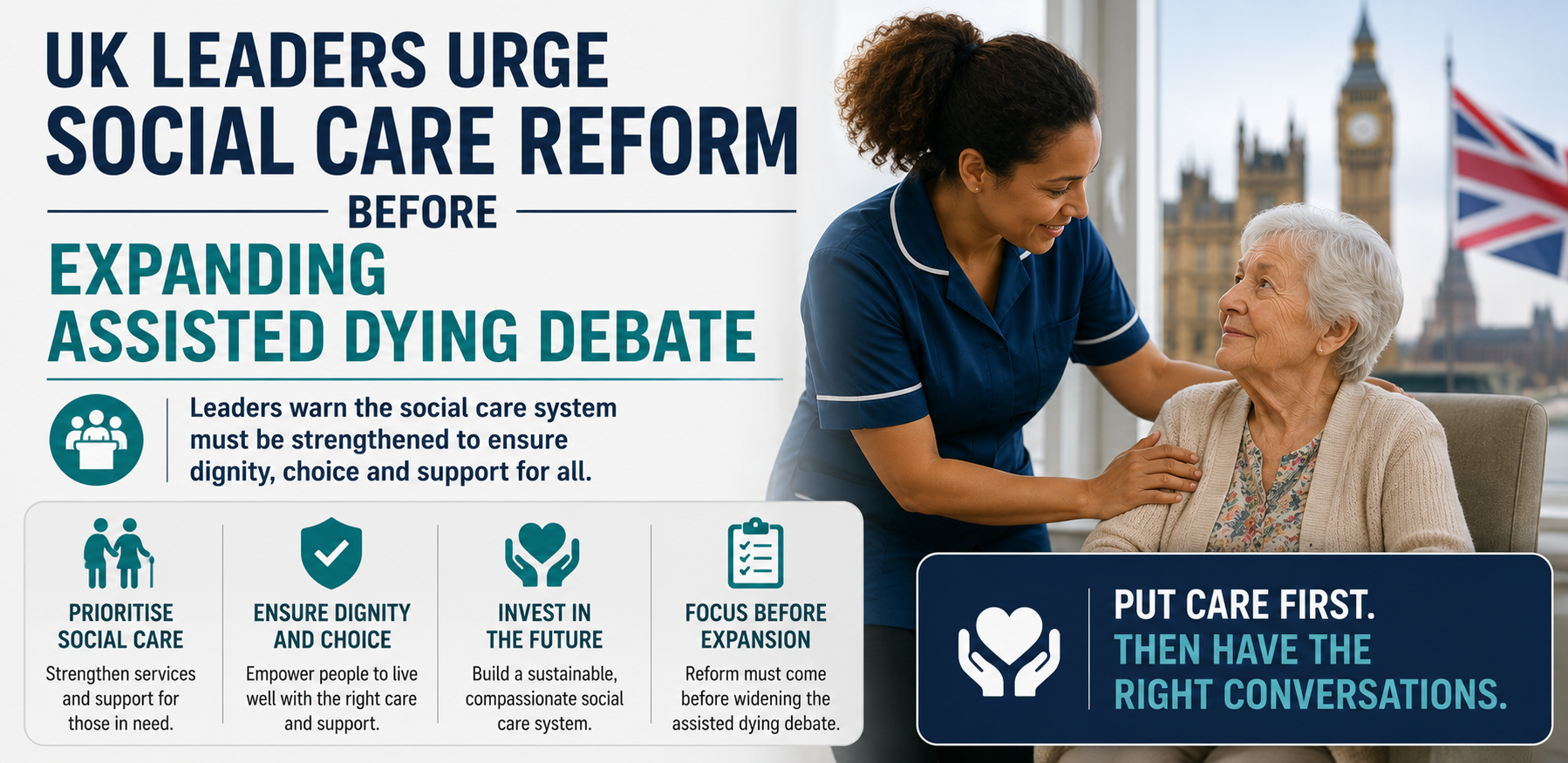
Greater Manchester Mayor Andy Burnham has called for the United Kingdom to prioritise comprehensive social care reform before moving forward with broader discussions on assisted dying legislation.
Burnham argued that improving the country's social care system should come first to ensure that older adults, people with disabilities, and individuals living with serious illnesses have access to high-quality care and support before policymakers consider expanding end-of-life choices through assisted dying laws.
His comments come as the UK continues debating proposals that would allow terminally ill adults, under specific legal safeguards, to seek medical assistance in ending their lives. The issue has generated significant discussion among healthcare professionals, policymakers, patient advocacy groups, and the public.
The remarks highlight the close relationship between healthcare policy, long-term care services, and ethical decision-making, emphasising that access to quality care may influence how patients experience serious illness and end-of-life planning.
Understanding Social Care
Social care refers to services that help people who need support with everyday living because of age, disability, chronic illness, or other long-term health conditions.
Unlike hospital treatment or routine medical care, social care focuses on helping individuals maintain independence and quality of life.
Services may include:
- Personal care and hygiene assistance.
- Home care visits.
- Residential and nursing home care.
- Support for people with disabilities.
- Dementia care.
- Rehabilitation support.
- Assistance with daily activities such as eating, dressing, and mobility.
Social care often works alongside healthcare services, allowing people to receive ongoing support outside hospitals and reducing unnecessary hospital admissions.
Why Social Care Reform Has Become a Major Issue
Many countries face growing pressure on social care systems because populations are ageing and people are living longer with chronic illnesses.
Demand continues to increase due to:
- Longer life expectancy.
- Rising rates of dementia.
- Increasing numbers of people living with multiple chronic conditions.
- Greater demand for home-based care.
- Workforce shortages in caregiving professions.
These pressures have raised concerns about:
- Access to affordable care.
- Waiting times for support services.
- Workforce recruitment and retention.
- Funding sustainability.
- Quality and consistency of care.
Many healthcare experts argue that strengthening social care is essential for improving overall health system performance.
Understanding the Assisted Dying Debate
Assisted dying refers to legal frameworks that allow certain terminally ill patients to request medical assistance in ending their lives under carefully defined circumstances.
Countries that permit some form of assisted dying generally require safeguards such as:
- Confirmation of terminal illness.
- Assessment of decision-making capacity.
- Voluntary and informed consent.
- Independent medical evaluations.
- Legal oversight.
Supporters often argue that assisted dying provides autonomy and dignity for people experiencing unbearable suffering near the end of life.
Opponents frequently raise concerns about:
- Protecting vulnerable individuals.
- Ethical responsibilities of healthcare professionals.
- Potential societal pressure on seriously ill patients.
- Ensuring equal access to palliative and supportive care.
The discussion extends beyond legislation and often includes broader questions about healthcare quality, patient choice, and end-of-life support.
Why Some Leaders Want Social Care Addressed First
Those advocating for social care reform before expanding assisted dying laws argue that patients should have access to comprehensive care and support before making end-of-life decisions.
Their position is based on several considerations:
- Improving Quality of Life: Better home care, community support, rehabilitation, and palliative services may improve comfort and independence for people with serious illnesses.
- Supporting Families: Family caregivers often rely on social care services to help manage the physical, emotional, and financial demands of long-term illness.
- Reducing Healthcare Pressure: Effective social care can reduce avoidable hospital admissions and allow patients to remain safely in their homes for longer.
- Promoting Informed Choice: Supporters of reform argue that decisions about end-of-life care should be made within a healthcare system where patients have access to high-quality medical, palliative, and social support.
The Connection Between Healthcare and Social Care
Although healthcare and social care are often managed separately, the two systems are closely interconnected.
Patients discharged from hospitals frequently require continued assistance at home.
Without adequate social care:
- Hospital stays may become longer.
- Emergency readmissions may increase.
- Caregivers may experience greater strain.
- Healthcare costs can rise.
- Patient outcomes may worsen.
Integrated care models aim to coordinate hospitals, primary care providers, community services, and social care organisations to deliver more seamless support throughout a patient's healthcare journey.
Many health policy experts view stronger integration as an important strategy for improving both patient experience and system efficiency.
Industry Impact
- Healthcare Providers: Hospitals and community health organisations continue advocating for stronger social care systems that enable safe patient discharge and reduce pressure on acute care services.
- Social Care Organisations: Providers of home care, residential care, and community support may see increased policy attention if governments prioritise long-term reform and workforce investment.
- Policymakers: Governments face growing pressure to balance healthcare spending with long-term investments in ageing populations, disability services, and community care infrastructure.
- Patients and Families: Improvements in social care could provide greater support for individuals living with chronic illnesses while reducing the burden on unpaid family caregivers.
Looking Ahead
The debate surrounding assisted dying is expected to continue alongside broader discussions about the future of health and social care.
Key policy areas likely to receive ongoing attention include:
- Long-term funding for social care.
- Workforce recruitment and retention.
- Expansion of home-based care services.
- Integration between health and social care.
- Palliative care access.
- End-of-life care policy.
Regardless of legislative outcomes, strengthening social care is widely viewed as an important component of preparing healthcare systems for ageing populations and increasing long-term care needs.
Key Takeaways
- Andy Burnham has urged policymakers to prioritise social care reform before expanding the UK's assisted dying debate.
- Social care provides essential support for older adults, people with disabilities, and individuals living with long-term illnesses.
- Growing demand for long-term care is increasing pressure on healthcare and social care systems.
- Many experts believe stronger integration between healthcare and social care can improve patient outcomes and reduce hospital pressures.
- The discussion reflects broader challenges associated with ageing populations and sustainable healthcare policy.
What This Means for Healthcare Marketers
Growing attention to social care reform signals increasing investment across community healthcare, home care, ageing services, digital health, rehabilitation, and care coordination. Organisations developing technologies for remote monitoring, workforce management, care navigation, and integrated health systems may see expanding opportunities as governments and providers strengthen long-term care infrastructure. For healthcare marketers, companies supporting population health, elder care, and community-based healthcare represent valuable prospects as policymakers place greater emphasis on coordinated, patient-centred care.