What’s Happening
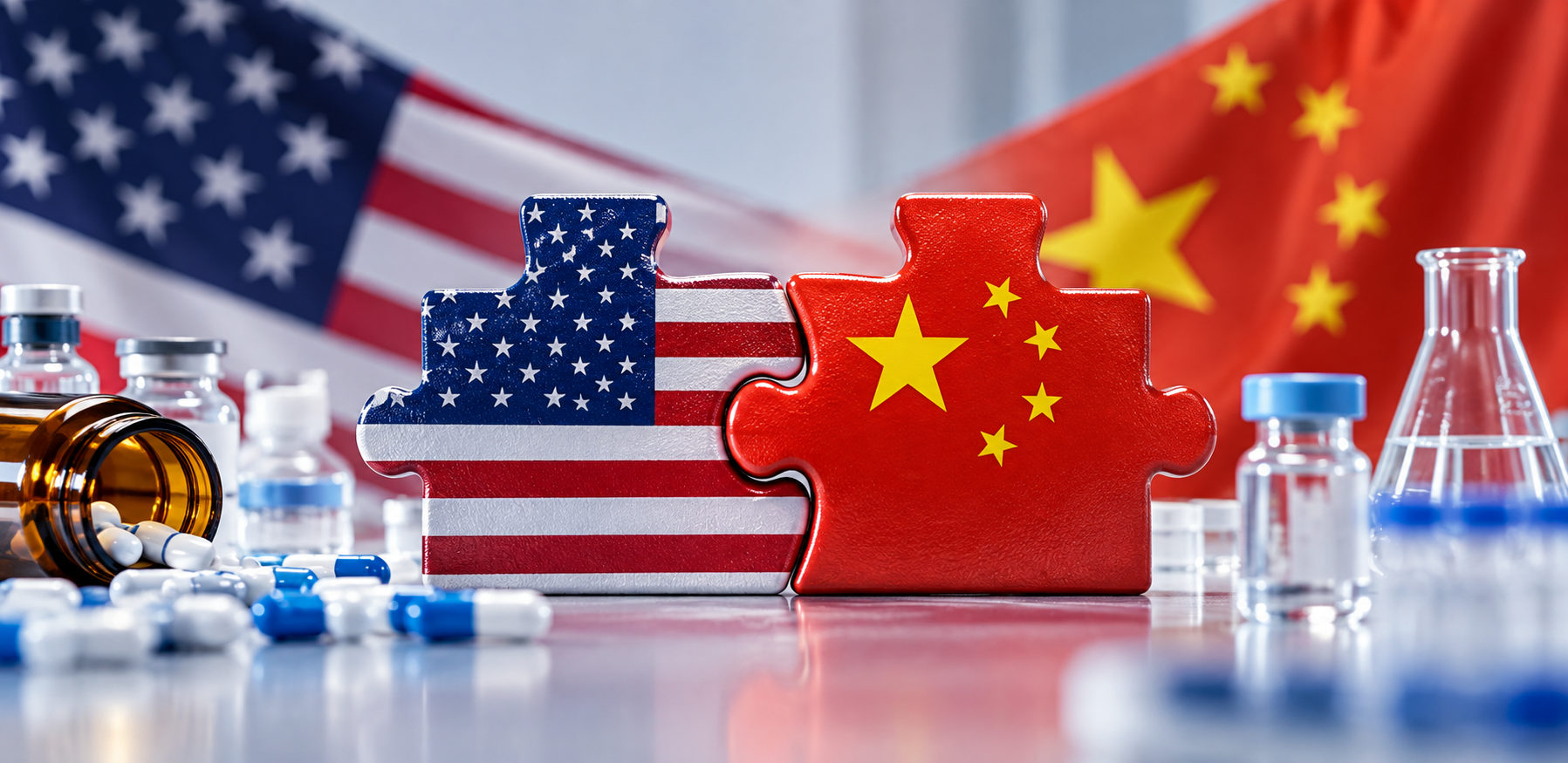
U.S. pharmaceutical companies are increasingly turning to Chinese biotechnology companies to license promising medicines, particularly experimental cancer treatments.
The latest example is Merck, which agreed to pay Chinese biotech company SciBrunch Therapeutics $400 million upfront for global rights to an experimental cancer drug. The deal could eventually be worth up to $2.13 billion.
The agreement is part of a broader trend in which U.S. drugmakers are looking to China for new drug candidates rather than developing every medicine internally.
Chinese biotech companies often keep rights to their medicines in China while licensing rights for international markets to larger pharmaceutical companies.
Why Are U.S. Drugmakers Looking to China?
China has become an increasingly important center for drug research and clinical development.
Chinese biotech companies have developed a growing number of experimental medicines, particularly in oncology.
For U.S. pharmaceutical companies, licensing these drugs can provide access to promising treatments without having to discover and develop them from the beginning.
The structure can also allow Chinese companies to benefit from the financial resources, regulatory expertise, and global commercial networks of larger pharmaceutical companies.
How Do These Licensing Deals Work?
In many cases, the Chinese biotech company develops the drug through early research and clinical testing.
A U.S. or other global pharmaceutical company then pays for rights to develop and commercialize the medicine outside China.
The financial structure generally includes:
- Upfront payments: Money paid when the agreement is signed.
- Milestone payments: Additional payments made when the drug reaches specific development, regulatory, or commercial milestones.
- Royalties: Payments based on future sales of the medicine.
The Chinese company can therefore retain rights to its domestic market while giving the larger pharmaceutical company access to international markets.
Major Deals Are Growing
Merck's agreement with SciBrunch is one of several major licensing deals between U.S. pharmaceutical companies and Chinese biotech firms.
Earlier in 2026:
- Pfizer agreed to pay $650 million upfront to China's Innovent Biologics for rights to a group of early-stage oncology programs. The deal could be worth up to $10.5 billion.
- Bristol Myers Squibb agreed to pay $600 million upfront to Jiangsu Hengrui Pharmaceuticals for rights to multiple early-stage programs. The agreement could reach $15.2 billion in total value.
These deals show that major pharmaceutical companies are willing to commit substantial amounts of money to access drug candidates developed in China.
What’s Changing / Business Impact
The trend is changing how large pharmaceutical companies build their pipelines.
Instead of relying primarily on internal research or acquisitions, companies can use licensing partnerships to gain access to promising medicines at different stages of development.
This can give pharmaceutical companies more flexibility when they need to replace aging products or expand into new therapeutic areas.
For Chinese biotech companies, these partnerships provide access to global funding and commercial expertise while allowing them to retain rights to their domestic markets.
The model can also reduce the time needed for a large pharmaceutical company to identify and acquire promising drug candidates.
Why This Matters
The growing number of licensing agreements reflects China's increasing role in the global pharmaceutical industry.
Chinese biotech companies are producing more clinical-stage medicines, giving international pharmaceutical companies a larger pool of potential products to evaluate.
The trend is particularly important for oncology, where companies are constantly looking for new treatments to strengthen their pipelines.
It also gives smaller Chinese biotech companies a path to global commercialization that they may not be able to build independently.
At the same time, these deals involve significant risk. An experimental drug can fail in clinical trials or face regulatory challenges even after a pharmaceutical company has paid hundreds of millions of dollars upfront.
Looking Ahead
More licensing deals between Chinese biotech companies and global pharmaceutical companies could emerge as drugmakers look to expand their pipelines.
The structure of these agreements allows Chinese companies to maintain a presence in their home market while using global partners to commercialize medicines elsewhere.
U.S. companies will also need to consider regulatory and geopolitical factors when entering these partnerships.
For pharmaceutical companies, the key question will be whether the clinical and commercial potential of these China-developed medicines justifies the investment required to bring them to global markets.
What This Means for Healthcare Marketers
The growing number of China-to-global licensing deals creates several important signals for healthcare marketers:
- Pipeline expansion: A licensing agreement can signal that a pharmaceutical company is preparing to enter or strengthen a therapeutic market.
- Oncology investment: Multiple major deals involving cancer treatments show continued investment in the oncology pipeline.
- Commercialization activity: Global licensing rights can create future demand for market access, provider education, patient engagement, and launch strategy.
- Clinical milestones: Trial results and regulatory submissions can indicate when a licensed asset is moving closer to commercialization.
- Partnership signals: Large upfront payments can reveal where major pharmaceutical companies are allocating strategic resources.
- Global market expansion: A company licensing international rights may soon need commercial infrastructure in additional countries.
- Competitive intelligence: Tracking licensing deals can reveal which therapeutic areas and technologies major pharmaceutical companies consider strategically important.
For B2B healthcare marketers, licensing agreements are valuable early signals of future commercial activity. A company acquiring global rights to an experimental drug may be preparing years in advance for clinical development, regulatory work, market access, and eventual commercialization.
Key Takeaways
- U.S. pharmaceutical companies are increasingly licensing experimental medicines from Chinese biotech companies.
- Merck recently agreed to pay $400 million upfront for global rights to a SciBrunch cancer drug, with the deal potentially worth $2.13 billion.
- Pfizer and Bristol Myers Squibb have also signed major licensing agreements with Chinese drugmakers in 2026.
- Chinese biotech companies often retain rights to their medicines in China while licensing international rights to global pharmaceutical companies.
- The trend is particularly strong in oncology, where pharmaceutical companies are seeking new treatments to strengthen their pipelines.
- Licensing allows large drugmakers to access external innovation without developing every medicine internally.
- For healthcare marketers, these deals can signal future activity across clinical development, regulatory affairs, market access, commercialization, and patient engagement. (reuters.com)