U.S. FDA Approves Takeda's New Sleep Disorder Treatment
What's Happening
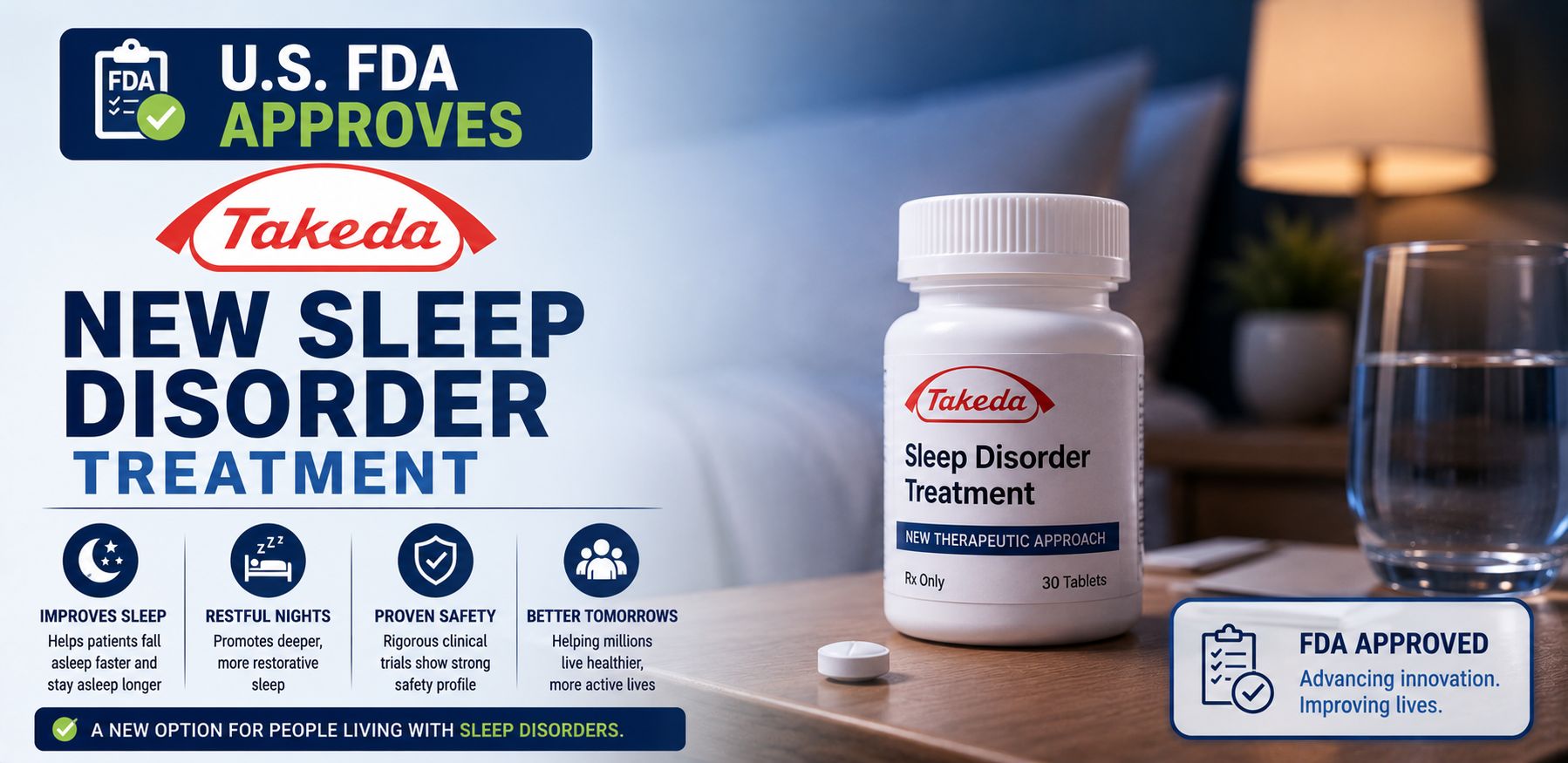
The U.S. Food and Drug Administration (FDA) has approved Takeda's new oral treatment for a rare sleep disorder, expanding treatment options for patients living with excessive daytime sleepiness.
The approval allows Takeda to market the medicine in the United States for eligible patients diagnosed with narcolepsy, a chronic neurological condition that disrupts the brain's ability to regulate sleep-wake cycles. The new therapy offers physicians an additional option for managing symptoms that can significantly affect daily functioning and quality of life.
The decision strengthens Takeda's neuroscience portfolio and reflects continued innovation in treatments for neurological and sleep disorders.
Understanding Narcolepsy
Narcolepsy is a chronic neurological disorder that affects the brain's control of sleep and wakefulness.
Common symptoms include:
- Excessive daytime sleepiness.
- Sudden episodes of falling asleep.
- Cataplexy (sudden muscle weakness in some patients).
- Sleep paralysis.
- Hallucinations during sleep transitions.
- Disrupted nighttime sleep.
Although there is no cure, medications can help patients manage symptoms and improve daily functioning.
Why the Approval Matters
Patients with narcolepsy often require long-term treatment to remain alert during the day and maintain normal daily activities.
The FDA's approval provides healthcare providers with another therapeutic option that may help improve symptom control while offering patients greater flexibility in treatment decisions.
The approval also reflects continued investment by pharmaceutical companies in developing therapies for rare neurological disorders, an area where unmet medical need remains significant.
Industry Impact
- Pharmaceutical Companies: The approval strengthens Takeda's neuroscience portfolio and highlights continued investment in therapies for rare neurological diseases.
- Healthcare Providers: Sleep specialists and neurologists now have an additional FDA-approved treatment option for eligible patients with narcolepsy.
- Patients: Individuals living with narcolepsy may benefit from expanded treatment choices that can improve daytime alertness and overall quality of life.
- Investors: The approval adds another commercial product to Takeda's portfolio and reinforces the company's strategy of expanding its specialty medicine business.
Looking Ahead
Takeda is expected to begin commercializing the medicine in the United States while continuing post-marketing safety monitoring and physician education.
The company also continues investing in neuroscience research, with additional programs focused on neurological and rare diseases.
Growing awareness and earlier diagnosis of sleep disorders may further increase demand for innovative therapies in this therapeutic area.
Why This Matters
Sleep disorders affect millions of people worldwide and can have a significant impact on physical health, mental well-being, workplace productivity, and quality of life.
The FDA approval provides patients and healthcare providers with another evidence-based treatment option while reinforcing continued innovation in neuroscience and rare disease medicine.
It also highlights the important role of regulatory approvals in bringing new therapies to patients with unmet medical needs.
Key Takeaways
- The U.S. FDA approved Takeda's new oral treatment for narcolepsy.
- The medicine provides an additional treatment option for patients experiencing excessive daytime sleepiness.
- The approval expands Takeda's neuroscience and rare disease portfolio.
- Healthcare providers now have another FDA-approved therapy for managing narcolepsy.
- The decision reflects continued innovation in neurological and sleep disorder treatments.
What This Means for Healthcare Marketers
The FDA approval highlights continued investment in neuroscience, rare diseases, and specialty pharmaceuticals. Pharmaceutical companies, sleep disorder clinics, neurology practices, and specialty pharmacies continue expanding treatment options for patients with chronic neurological conditions. For healthcare marketers, organizations involved in neuroscience, sleep medicine, rare diseases, and specialty therapeutics represent high-intent opportunities for physician education, medical affairs initiatives, patient awareness campaigns, and commercial growth.