What's Happening
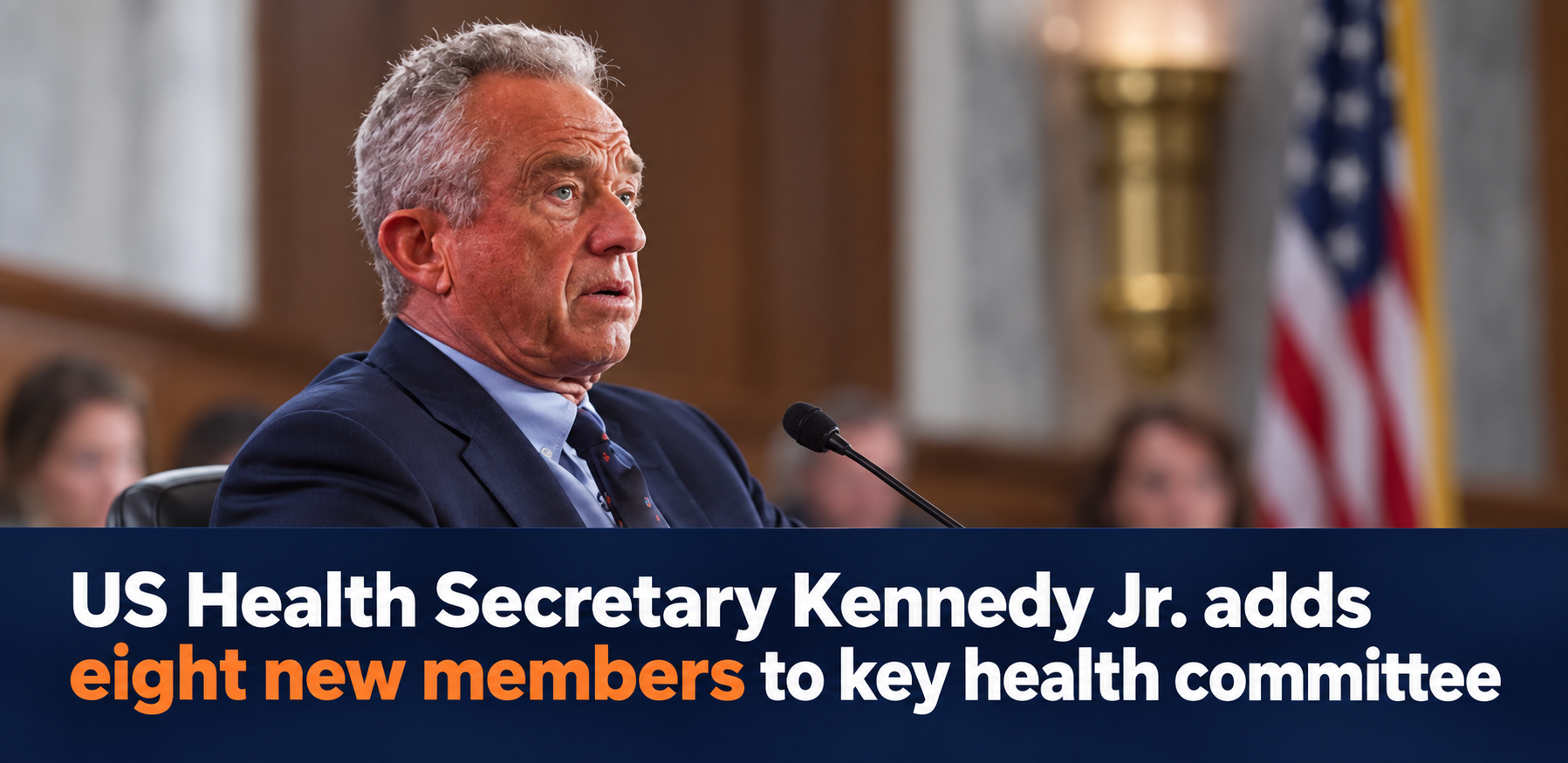
U.S. Health and Human Services Secretary Robert F. Kennedy Jr. has appointed eight new members to the U.S. Preventive Services Task Force (USPSTF), restoring the influential panel to its usual 16-member size after a prolonged period of disruption. The appointments were announced on September 17 through the Agency for Healthcare Research and Quality (AHRQ), which provides administrative support to the task force. (Reuters)
The task force evaluates scientific evidence on preventive healthcare services and issues recommendations that can have direct consequences for patients, physicians, employers and insurers. Under the Affordable Care Act, most private health plans must cover preventive services receiving an A or B rating from the USPSTF without patient cost-sharing, subject to applicable requirements. (Supreme Court)
The new appointments come after the panel went through a period in which meetings were postponed or canceled and Kennedy removed its chair and vice chairs earlier this year. The task force had last met about a year ago, according to Reuters. (Investing.com)
What the Preventive Services Task Force Does
The USPSTF is an independent panel of volunteer experts that reviews evidence and makes recommendations about preventive medical services.
Its work covers areas such as:
- Cancer Screening: The task force evaluates screening approaches for cancers including breast, colorectal and lung cancer.
- Cardiovascular Health: It reviews preventive interventions and screening strategies related to cardiovascular disease.
- Infectious Disease Prevention: Recommendations can include preventive medicines and screening for infectious diseases. One example is pre-exposure prophylaxis, or PrEP, to reduce HIV infection risk. (Investing.com)
- Preventive Care in Primary Care: The panel also examines services that physicians and patients may consider during routine care, based on the available evidence.
Because its recommendations can influence insurance coverage, the task force has an unusually direct connection to healthcare utilization.
The Panel Is Returning to Its Full Size
The USPSTF typically has 16 members, each serving a four-year term.
The eight new members join eight people who were already serving, bringing the panel back to its standard size. Current task-force information lists the members as nationally recognized experts across areas including preventive medicine, primary care, pediatrics, geriatrics, nursing and evidence-based medicine. (USPSTF)
The task force is led by a chair and two vice chairs.
Kennedy's newly appointed chair is Seth J. Corey, a pediatric hematologist-oncologist at the Cleveland Clinic and Case Comprehensive Cancer Center. HHS said Corey has 41 years of experience caring for children and young adults. (HHS.gov)
Who the Eight New Members Are
The new members bring experience from several medical specialties as well as health economics and finance.
They are:
- Seth J. Corey: Corey is a pediatric hematologist-oncologist and was named chair of the task force. His work includes pediatrics, cancer and molecular medicine. (HHS.gov)
- Patrick K. Hunter: Hunter is a pediatrician based in Florida and serves on the Florida State Board of Medicine. (Investing.com)
- Ronald P. Karlsberg: Karlsberg is a cardiovascular specialist and clinical professor of medicine at Cedars-Sinai Medical Center's Smidt Heart Institute. (Investing.com)
- Venkatesh L. Murthy: Murthy is a professor of preventive cardiology at the University of Michigan. (Investing.com)
- Stephen T. Parente: Parente is a health-finance professor at the University of Minnesota's Carlson School of Management. (Investing.com)
- Goldie Stands-Over-Bull: Stands-Over-Bull is a family-medicine physician and lead physician at Texas Native Health in Dallas. (Investing.com)
- Louis J. Wilson: Wilson is a gastroenterologist and managing partner at Wichita Falls Gastroenterology Associates in Texas. (Investing.com)
- Dennis W. Wulfeck: Wulfeck is a diagnostic radiologist and president of a Radiology Partners practice board in Florida. (Investing.com)
The makeup gives the reconstituted panel a notably broad mix of clinical specialties, alongside expertise in healthcare finance.
Why the Panel's Membership Matters
The task force does not directly provide medical care or determine treatment for individual patients.
Its recommendations can nevertheless affect healthcare access because of how federal law links certain recommendations to private insurance coverage.
Under the Affordable Care Act, most health insurance plans generally must cover USPSTF-recommended preventive services that receive an A or B grade without cost-sharing. (Supreme Court)
That means a change in a recommendation can affect:
- What services insurers must cover without deductibles or copayments
- What preventive services patients are encouraged to receive
- How physicians discuss screening and prevention
- What healthcare systems plan and offer as part of preventive care
As a result, the composition and activity of the panel can have consequences across the healthcare system.
The Panel Had Been Largely Inactive
Reuters reported that the task force had last met about a year earlier.
Its normal schedule is roughly three meetings a year, generally in March, July and November. But several meetings were disrupted during the Trump administration. (Investing.com)
A meeting planned for November 2025 did not occur because of the federal government shutdown.
Another meeting scheduled for July 2025 was canceled by HHS, according to Reuters.
A March meeting was also postponed, while Kennedy removed the panel's chair and vice chair in May and asked members to reapply. (Investing.com)
The result was a long period in which the panel's normal work was interrupted.
The Supreme Court's Role
The reconstitution also follows an important 2025 Supreme Court decision involving Kennedy and the task force.
In Kennedy v. Braidwood Management, the Supreme Court ruled in June 2025 that the HHS secretary has the authority to appoint members of the USPSTF and that the members are subject to the secretary's supervision and direction. (Supreme Court)
That decision resolved a constitutional dispute over how task-force members are appointed.
The ruling matters to the current appointments because it confirmed the legal authority Kennedy is now exercising in rebuilding the panel.
A Panel With Direct Insurance Consequences
The task force's role became substantially more important after the Affordable Care Act.
Before 2010, USPSTF recommendations were primarily advisory.
The ACA changed the practical effect of certain recommendations by requiring most insurers and group health plans to cover preventive services receiving A or B ratings without cost-sharing. (Supreme Court)
That means a recommendation can influence whether millions of insured Americans receive a preventive service without paying a deductible or copayment.
Examples include certain cancer screenings and preventive medications.
Why the Return of the Panel Matters to Healthcare Providers
Providers depend on preventive-care recommendations when deciding which services to discuss with patients and how to incorporate screening into routine care.
A functioning task force can provide updated recommendations as new evidence emerges.
When meetings are delayed, decisions on questions under review can also be delayed.
For healthcare systems, that can make it harder to anticipate changes in preventive-care protocols and related coverage requirements.
Cancer Screening Could Be an Important Area to Watch
One area likely to receive considerable attention is cancer screening.
The American Cancer Society said it welcomed the restoration of the task force and expects renewed activity around important screening recommendations. (Reuters)
Cancer screening guidance can have major implications for:
- Primary-care workflows
- Diagnostic testing
- Imaging utilization
- Specialist referrals
- Insurance coverage
- Patient outreach
A new recommendation can therefore affect healthcare organizations well beyond the clinicians who sit on the task force.
HIV Prevention Is Another Relevant Area
The task force also evaluates preventive medicines such as PrEP, which can help prevent HIV infection.
Because certain USPSTF recommendations influence no-cost insurance coverage, changes to preventive recommendations can affect access to medications as well as screening services.
That gives the task force relevance to pharmaceutical companies, pharmacies and public-health organizations in addition to health systems and physicians. (Investing.com)
The Administration's Stated Rationale
HHS said the new members were selected for their expertise in evaluating scientific evidence and clinical preventive services.
Kennedy said the reconstituted task force should ask difficult questions, follow the evidence and maintain scientific standards. (HHS.gov)
HHS has presented the appointments as part of an effort to strengthen and refocus the panel.
Kennedy has separately argued that prevention should play a larger role in addressing chronic disease. In an opinion article published alongside the appointments, he described prevention as a central part of his healthcare agenda. (Fox News)
Those are the administration's stated goals for the reconstituted panel.
Questions From Medical Groups
The changes have also prompted questions from medical organizations and health-policy experts.
The American Medical Association said preserving a strong primary-care voice and maintaining rigorous, transparent scientific processes are important for the task force's work. (Reuters)
Other health experts have raised concerns about the broader research infrastructure supporting the panel.
Dr. Aaron Carroll, a health-policy researcher, questioned whether the evidence-review system supporting the task force can function effectively while agencies that support it face staffing and funding reductions. That is his assessment of the current research environment. (Reuters)
The AHRQ Connection
The USPSTF is supported by the Agency for Healthcare Research and Quality, an agency within HHS.
AHRQ provides administrative and scientific support to the task force, even though the task force itself operates as an independent group of experts. (USPSTF)
That relationship means changes at AHRQ can affect the practical capacity of the panel to conduct evidence reviews and meetings.
The staffing and funding of the broader agency therefore remain relevant to how quickly the task force can resume its work.
The Reconstituted Panel Has a Different Mix of Expertise
The previous task force traditionally included many primary-care clinicians, nurses and researchers specializing in epidemiology and evidence-based medicine.
The new appointments add specialists in areas including:
- Pediatrics
- Oncology
- Cardiology
- Gastroenterology
- Radiology
- Healthcare finance
(Investing.com)
That does not by itself determine what recommendations the panel will make.
However, the broader clinical mix means the group's expertise now covers a wider range of specialty areas.
The Next Meeting Has Not Yet Been Set
Although the task force has been restored to 16 members, HHS has not announced when it will hold its next formal meeting.
Reuters reported that the department had not immediately responded to a request for the timing of the next meeting. (Investing.com)
The timing will matter because the panel has accumulated work during its period of limited activity.
The next meeting could begin the process of reviewing pending questions and updating recommendations.
Potential Healthcare Impact
The return of the panel could eventually affect several parts of the U.S. healthcare system.
- Insurers: Changes in A or B recommendations can affect which preventive services must be covered without cost-sharing under federal law.
- Providers: Doctors and health systems may need to adjust preventive-care workflows based on updated recommendations.
- Patients: Patients can experience changes in which services are available without out-of-pocket costs.
- Pharmaceutical Companies: Preventive medications covered under USPSTF recommendations can see changes in potential eligible populations and access conditions.
- Digital Health and Care Management: Companies supporting screening, prevention and chronic-disease management may also be affected by changes in national preventive-care guidance.
Why This Matters
The appointment of eight new task-force members restores the USPSTF to its standard 16-member structure after roughly a year of disrupted activity. (Investing.com)
The significance extends beyond the panel itself.
Because USPSTF recommendations can influence what most private insurers cover without cost-sharing, the group plays a direct role in the economics and delivery of preventive healthcare in the United States. (Supreme Court)
The new appointments also follow the Supreme Court's 2025 ruling confirming the HHS secretary's authority to appoint and supervise task-force members. (Supreme Court)
The next phase will depend on when the panel resumes meetings and what evidence it reviews.
Looking Ahead
The most immediate question is when the reconstituted task force will meet.
Once it resumes its work, recommendations involving cancer screening, cardiovascular prevention, infectious-disease prevention and other services could receive renewed attention.
For insurers and healthcare providers, the timing of those recommendations will matter because changes in A or B ratings can affect coverage requirements.
The panel's longer-term credibility will also depend on how transparently it reviews evidence and explains its recommendations, particularly as healthcare organizations and patients rely on those recommendations for preventive-care decisions.
Key Takeaways
- HHS Secretary Robert F. Kennedy Jr. appointed eight new members to the U.S. Preventive Services Task Force on September 17, 2026. (HHS.gov)
- The eight appointees join eight existing members, restoring the panel to its usual 16-member structure. (USPSTF)
- Seth J. Corey, a pediatric hematologist-oncologist, was named chair. (HHS.gov)
- The new members include specialists in pediatrics, cardiology, preventive cardiology, gastroenterology, radiology, family medicine and healthcare finance. (Investing.com)
- The USPSTF evaluates evidence for preventive services including cancer screening and HIV-prevention medication such as PrEP. (Investing.com)
- Most private insurers must generally cover preventive services receiving an A or B USPSTF rating without cost-sharing, subject to federal requirements. (Supreme Court)
- The task force had last met about a year ago, according to Reuters, after multiple meetings were disrupted or postponed. (Investing.com)
- The Supreme Court ruled in June 2025 that the HHS secretary has authority to appoint task-force members and that the panel remains subject to the secretary's supervision. (Supreme Court)
- HHS said the appointments are intended to strengthen the panel's scientific and clinical expertise. (HHS.gov)
- Medical groups and health experts have emphasized the importance of scientific rigor, transparency and strong primary-care representation in the task force's work. (Reuters)
- HHS has not yet announced the date of the task force's next meeting. (Investing.com)
What This Means for Healthcare Marketers
The USPSTF is an important example of how clinical guidance can become a market signal.
A change in a preventive recommendation can affect patient demand, insurer coverage, provider workflows and medication access.
For healthcare marketers, the relevant signals are not limited to final recommendations. Task-force appointments, meeting schedules, evidence reviews, draft recommendations and changes in insurance coverage can provide earlier indications of where preventive-care markets may change.
For companies involved in screening, diagnostics, vaccines, preventive medicines, chronic-disease management or healthcare delivery, monitoring USPSTF activity can help identify changes in the patient populations and services that may receive greater attention.