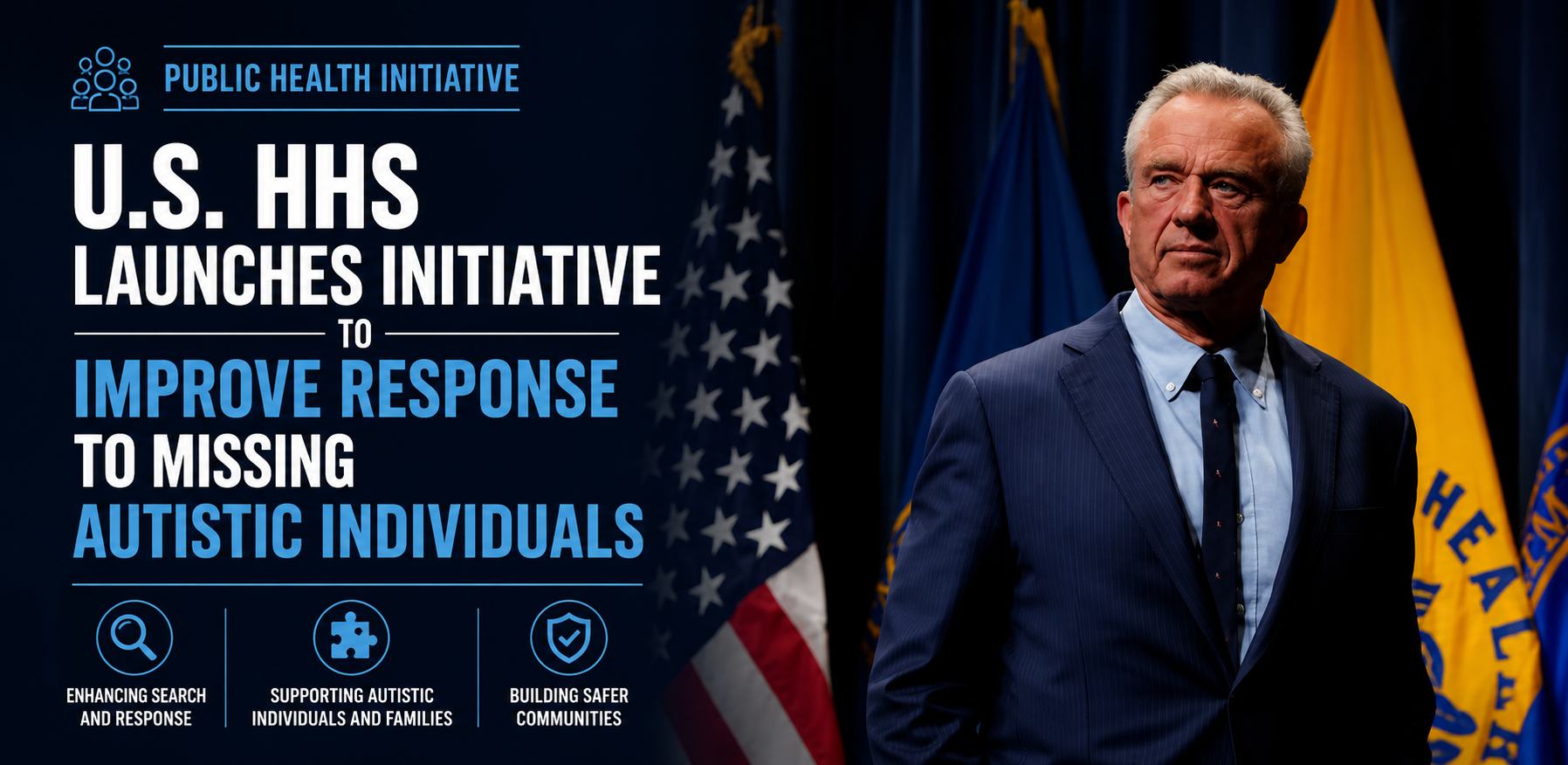
U.S. HHS Launches Initiative to Improve Response to Missing Autistic Individuals
What's Happening
The U.S. Department of Health and Human Services (HHS) has launched a new federal initiative aimed at improving how authorities respond when autistic individuals are reported missing. Health Secretary Robert F. Kennedy Jr. announced the effort, which focuses on enhancing preparedness and response protocols for missing-person cases involving autistic people to address specific safety risks and response hurdles.
What the Initiative Will Focus On
Designed to optimize interagency coordination and emergency readiness, the federal effort centers on improved communication protocols between responding agencies, specialized training for first responders, heightened awareness of sensory and communication vulnerabilities, and accelerating the overall speed and effectiveness of search operations.
Why This Matters
Autistic individuals can face distinctive safety challenges when reported missing, particularly when communication differences or sensory sensitivities affect their ability to interact with search teams. A specialized response framework ensures appropriate search strategies are deployed while improving engagement with families and caregivers during time-sensitive emergencies.
U.S. Healthcare and Public Health Impact
- HHS: Expands the federal government's active role in addressing safety and health risks impacting autistic populations.
- Healthcare Providers: Clinical professionals and organizations serving autistic patients benefit from better alignment with emergency response systems.
- First Responders: Specialized training empowers law enforcement and search personnel to handle high-risk situations with tailored approaches.
- Families and Caregivers: Establishes structured, coordinated support networks during critical missing-person incidents.
Looking Ahead
HHS will collaborate with relevant stakeholders and agencies to shape and deploy the framework, working toward an emergency response ecosystem that thoroughly accounts for the unique health, communication, and safety needs of autistic individuals.
Why This Matters
This initiative represents an important public health development by embedding the safety needs of a vulnerable patient population directly into federal health and emergency protocols, moving away from rigid, one-size-fits-all response models.
Key Takeaways
- HHS launched a targeted federal initiative focused on missing autistic individuals.
- The effort prioritizes specialized training, interagency coordination, and rapid response frameworks.
- Families, healthcare organizations, and first responders are central to the new protocol implementation.
What This Means for Healthcare Marketers
The initiative creates high relevance for organizations involved in autism care, behavioral health, emergency response, population health, healthcare technology, and patient safety. It highlights key market opportunities around specialized care coordination, caregiver support tools, and safety systems built for vulnerable patient groups. For healthcare marketers, positioning technologies and services in behavioral health support and emergency readiness addresses growing institutional and community demand.