U.S. Senate Confirms Susan Monarez as CDC Director
What's Happening
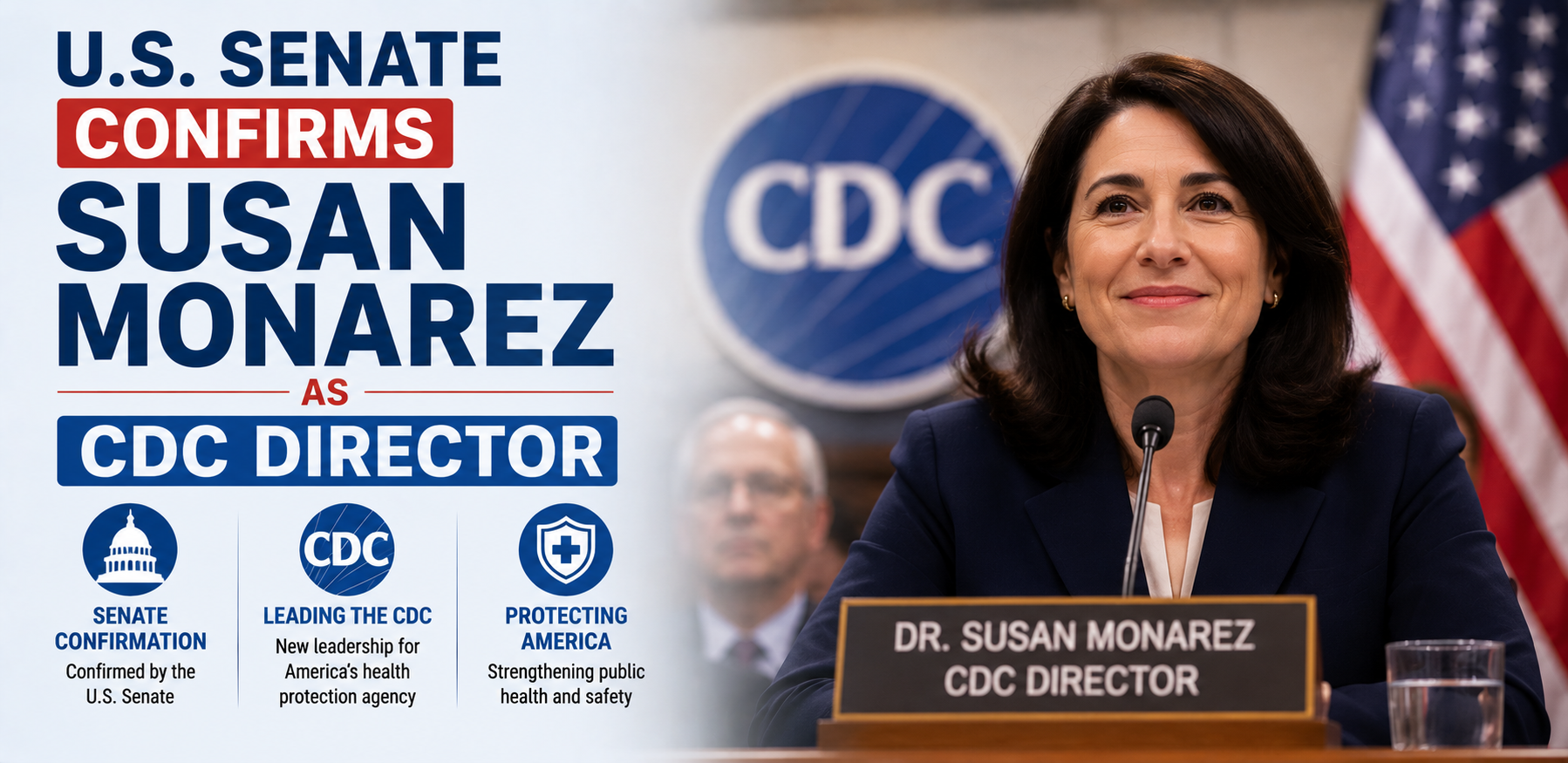
The U.S. Senate has confirmed Susan Monarez as the new Director of the Centers for Disease Control and Prevention (CDC), filling one of the nation's most important public health leadership positions.
Monarez will lead the CDC as the agency continues responding to infectious disease outbreaks, strengthening public health preparedness, modernizing disease surveillance, and improving coordination with state and local health departments. Her confirmation comes as the agency manages ongoing public health challenges, including foodborne disease outbreaks and emerging infectious disease threats.
The appointment provides permanent leadership for the CDC at a time when public health agencies are facing growing demands for faster disease detection, improved data systems, and stronger emergency preparedness.
About the CDC Director
The CDC Director oversees the nation's leading public health agency, which is responsible for protecting Americans from infectious diseases, chronic illnesses, environmental health threats, and public health emergencies.
Key responsibilities include:
- Disease surveillance.
- Outbreak investigation.
- Public health guidance.
- Emergency preparedness.
- Laboratory research.
- Vaccine recommendations.
- Coordination with state and local health departments.
The Director also works closely with other federal agencies and international health organizations during major public health events.
Why the Confirmation Matters
Permanent leadership provides greater stability for one of the country's most influential public health agencies.
The CDC continues managing several major priorities, including:
- Infectious disease surveillance.
- Foodborne illness investigations.
- Pandemic preparedness.
- Vaccination programs.
- Public health data modernization.
- Emergency response planning.
Strong leadership will be important as the agency continues expanding its ability to detect and respond to emerging health threats.
Industry Impact
- Public Health Agencies: The confirmation provides leadership continuity as federal, state, and local agencies continue strengthening disease surveillance and emergency preparedness.
- Healthcare Providers: Hospitals and clinicians rely on CDC guidance for infectious disease prevention, vaccination recommendations, and public health response.
- Healthcare Technology Companies: Continued modernization of disease surveillance and public health infrastructure may increase investment in health data systems, analytics, and digital public health technologies.
- Pharmaceutical and Diagnostic Companies: The CDC's priorities influence vaccine policy, infectious disease monitoring, laboratory testing, and public health research across the healthcare industry.
Looking Ahead
Under Monarez's leadership, the CDC is expected to continue strengthening disease surveillance, improving public health data systems, expanding emergency preparedness, and responding to emerging infectious disease threats.
The agency will also continue collaborating with healthcare providers, laboratories, and public health organizations to improve outbreak detection and national health security.
Future initiatives are expected to focus on modernizing public health infrastructure while improving coordination across the healthcare system.
Why This Matters
The CDC plays a central role in protecting public health by monitoring diseases, responding to outbreaks, and providing evidence-based guidance to healthcare providers and policymakers.
Permanent leadership helps ensure continuity during ongoing public health challenges while supporting long-term investments in disease surveillance, preparedness, and healthcare infrastructure.
The confirmation also reinforces the importance of strong federal leadership in maintaining the nation's public health system.
Key Takeaways
- The U.S. Senate has confirmed Susan Monarez as CDC Director.
- The appointment provides permanent leadership for the nation's leading public health agency.
- The CDC continues focusing on disease surveillance, outbreak response, vaccination, and emergency preparedness.
- Strong leadership supports modernization of public health infrastructure and data systems.
- The confirmation comes as the agency addresses ongoing infectious disease and public health challenges.
What This Means for Healthcare Marketers
The confirmation signals continued investment in public health infrastructure, disease surveillance, healthcare analytics, and emergency preparedness. Public health agencies, healthcare providers, diagnostic laboratories, health technology companies, and pharmaceutical manufacturers will continue collaborating to strengthen disease detection and response capabilities. For healthcare marketers, organizations involved in public health, infectious diseases, diagnostics, healthcare IT, and population health represent high-intent opportunities for provider education, partnership development, and strategic engagement.