What's Happening
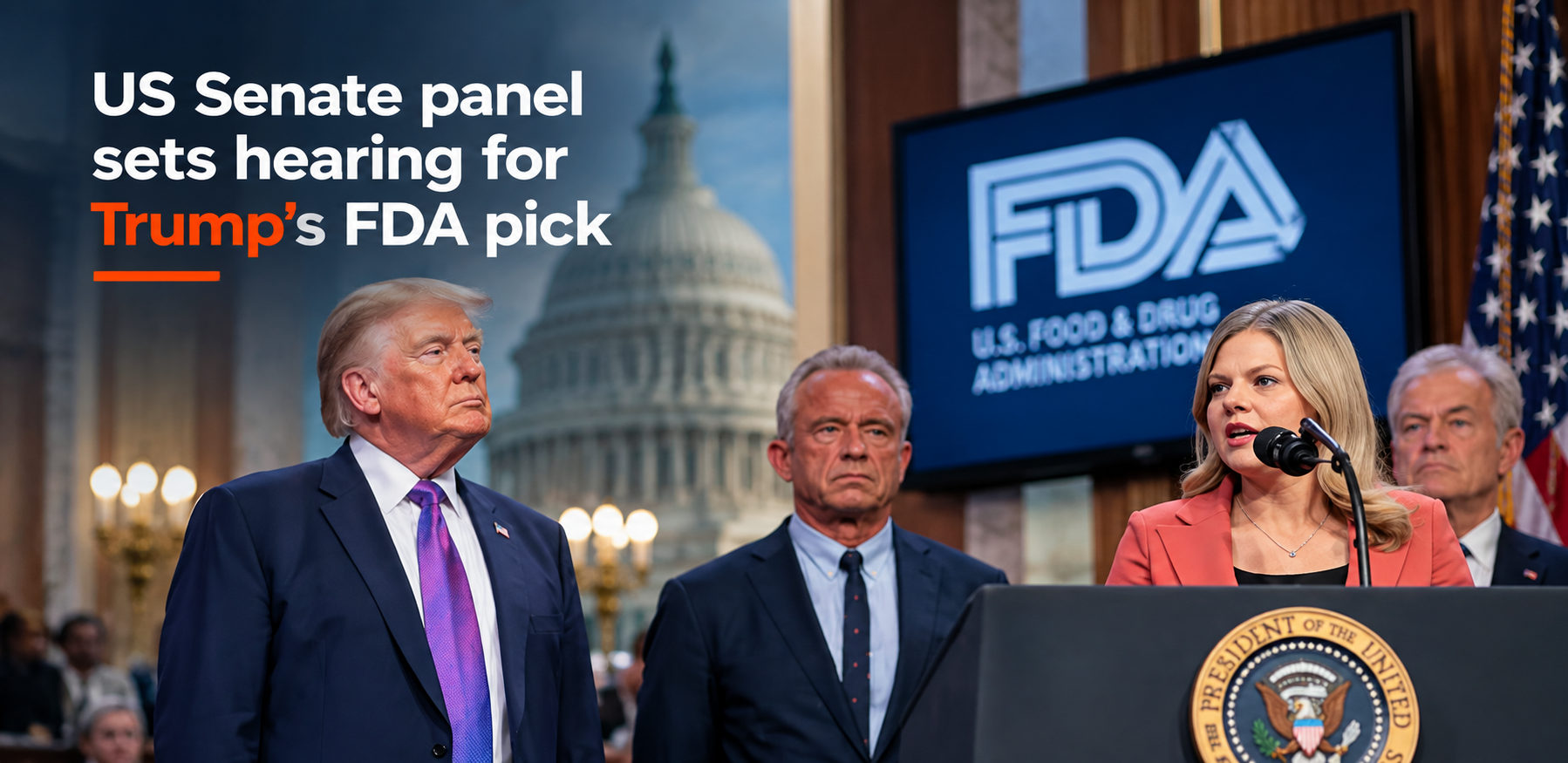
The U.S. Senate Health, Education, Labor and Pensions Committee has scheduled a confirmation hearing for Dr. Heidi Overton, President Donald Trump's nominee to lead the Food and Drug Administration.
The hearing is set for September 24, 2026, according to the committee. Trump nominated Overton in August for the FDA commissioner position, which has been vacant since Marty Makary resigned in May. (Reuters)
Overton currently serves as deputy director of the White House Domestic Policy Council. Before joining the administration, she worked at the America First Policy Institute, a conservative think tank. (MarketScreener)
Her nomination comes as the FDA deals with significant staffing losses and high-profile disputes over vaccines, the abortion pill and pharmaceutical reviews. (Reuters)
Who Is Heidi Overton?
Overton is a physician trained in preventive medicine.
She currently works inside the White House as deputy director of the Domestic Policy Council, placing her in a policy rather than operational FDA role before the nomination. (Reuters)
She previously worked for the America First Policy Institute, where she was involved in health-policy work before joining the Trump administration. (MarketScreener)
Her nomination therefore comes from within the administration's broader healthcare-policy structure rather than from the FDA's existing senior leadership ranks.
When Will the Senate Hear Her?
The Senate HELP Committee scheduled the confirmation hearing for September 24.
The committee hearing is an important step in the confirmation process, but it is not the final decision on the nomination.
A nominee must ultimately receive confirmation from the full Senate before taking the position permanently. (Reuters)
The hearing will give senators an opportunity to question Overton about FDA regulation, drug approvals, vaccines, public-health policy, agency management and other issues within the FDA's jurisdiction.
Why the FDA Commissioner Position Matters
The FDA is responsible for regulating a wide range of products that directly affect U.S. healthcare.
Its responsibilities include:
- Prescription Drugs: The agency reviews medicines for safety and effectiveness before they can generally be marketed in the United States.
- Biologics and Vaccines: The FDA regulates vaccines, biological medicines and related products.
- Medical Devices: It oversees medical devices ranging from diagnostic equipment to implantable technologies.
- Food Safety: The agency also has broad responsibilities related to the safety of the U.S. food supply.
- Tobacco Products: The FDA regulates tobacco products and establishes related public-health requirements.
That makes the commissioner one of the most consequential regulatory positions in the U.S. healthcare system.
The FDA Has Been Without a Permanent Commissioner
Marty Makary, Trump's previous FDA commissioner, resigned in May after about 13 months in the position. (Reuters)
Reuters reported that his tenure included disagreements with White House officials over issues including flavored vapes, an abortion-pill safety study and interactions with drugmakers such as Replimune, Sarepta and Moderna. (Reuters)
The vacancy has left the agency operating during a period of major policy changes and personnel turnover.
Overton's nomination is therefore part of a broader effort by the administration to fill senior health positions across the federal government.
FDA Staffing Has Changed Significantly
The agency has lost more than 3,000 staff members over the past year, according to Reuters. The losses included people in senior division leadership positions. (Reuters)
That matters because FDA operations rely heavily on specialized scientific, medical, regulatory and administrative expertise.
Staffing affects the agency's ability to review applications, inspect facilities, develop guidance and monitor the safety of products already on the market.
The next commissioner will therefore inherit not only a vacant leadership position but also an agency undergoing significant workforce changes.
Vaccine Policy Is One Major Issue
Overton's nomination comes amid major changes and disputes surrounding U.S. vaccine policy.
She appeared at a White House event in August at which Trump signed an executive order calling for a substantial reduction in the national childhood vaccination schedule and for the MMR vaccine to be separated into three shots. Physicians and vaccine manufacturers publicly criticized that proposed change, according to Reuters. (Reuters)
At the same time, the United States is dealing with a major measles resurgence, with Pennsylvania reporting hundreds of cases and four state-classified measles-associated deaths.
The FDA commissioner does not determine the CDC's vaccination recommendations, but the FDA plays a central role in vaccine regulation and product approvals.
That makes the leadership of the agency relevant to the broader federal vaccine environment.
The Abortion Pill Is Another Area of Attention
The FDA has also been involved in the ongoing national dispute over mifepristone, the medication commonly used for abortion.
The agency approved mifepristone decades ago and has since been responsible for monitoring its safety and regulating its use.
Recent litigation has challenged aspects of the FDA's decisions concerning the drug.
Reuters reported that Makary's tenure included disagreements related to a proposed abortion-pill safety study. (Reuters)
Overton could therefore face questions from senators about how the FDA should approach controversial reproductive-health issues.
Drug Approvals Are Another Major Challenge
The commissioner oversees an agency responsible for making decisions on new drugs, including therapies for cancer, rare diseases, autoimmune disorders and other serious conditions.
Recent disputes involving companies including Replimune, Sarepta and Moderna have drawn attention to how the FDA communicates with manufacturers and handles reviews of potentially important treatments. (Reuters)
For pharmaceutical companies, the FDA's decision-making process affects:
- Clinical development
- Submission timing
- Regulatory strategy
- Labeling
- Commercialization
A change in agency leadership can therefore matter to companies with products awaiting review as well as those planning future submissions.
The Broader Health Leadership Vacancy Problem
Overton's nomination is part of a larger effort by the Trump administration to fill vacant senior healthcare positions.
The Senate recently confirmed Dr. Erica Schwartz as director of the CDC.
Senate panels have also been holding hearings for other positions, including deputy secretary of HHS and surgeon general. (Reuters)
The administration is therefore addressing several leadership vacancies at the same time.
The eventual lineup of senior officials will influence how federal health agencies coordinate with one another.
How the FDA Fits Into HHS
The FDA is part of the Department of Health and Human Services.
The FDA commissioner oversees the agency's regulatory operations but works within a department headed by the HHS secretary.
That means FDA policy is shaped within the broader federal health-policy environment while the agency maintains its own statutory responsibilities.
The relationship between political leadership and scientific and regulatory decision-making is likely to be an important subject during Overton's confirmation hearing.
Questions Senators Could Explore
The September 24 hearing could address several areas relevant to the agency's future.
- Scientific Standards: Senators may question Overton about how the FDA should evaluate scientific evidence when making regulatory decisions.
- Agency Independence: The hearing may examine how the FDA should balance administration priorities with its regulatory responsibilities.
- Staffing: Given the agency's large number of departures, senators may ask how Overton would recruit and retain scientific and regulatory staff.
- Drug Approvals: Questions could focus on review timelines, communications with drugmakers and standards for approving new therapies.
- Vaccines: Overton could face questions about vaccine regulation and the agency's role in the changing federal vaccination landscape.
- Reproductive Health: Senators may also ask about FDA oversight of abortion medication and related safety monitoring.
The FDA Has a Large Impact on Pharmaceutical Companies
For pharmaceutical manufacturers, the identity of the FDA commissioner matters because the agency sits at several critical points in the product lifecycle.
A company developing a new medicine interacts with the FDA throughout development.
Those interactions can include:
- Clinical-trial discussions
- Manufacturing requirements
- Regulatory submissions
- Safety reviews
- Labeling
- Post-market monitoring
A change in leadership can therefore be closely watched across the pharmaceutical industry.
The Impact on Biotechnology
Biotechnology companies are particularly sensitive to FDA policy because many rely on a small number of products moving through clinical development.
A regulatory delay or change in requirements can affect financing, partnerships and development plans.
Conversely, clearer regulatory expectations can make development planning easier.
Overton would therefore inherit an agency with substantial influence over the commercial environment for emerging biotech companies.
The Staffing Issue Could Affect Industry Too
The loss of more than 3,000 FDA employees is relevant to companies as well as the agency itself.
Manufacturers depend on FDA personnel for scientific reviews, facility inspections and regulatory discussions.
If staffing shortages affect agency capacity, companies could experience longer waits or changes in how submissions and inspections are handled.
The extent of any operational impact will depend on how the FDA fills vacancies and reorganizes its workforce.
The Nomination Comes During Broader FDA Controversy
Reuters said the FDA has faced concerns that it has become too political, particularly amid disputes involving vaccines, the abortion pill and drug approvals. (Reuters)
Those concerns are part of the broader political debate around the agency.
The confirmation hearing will give senators an opportunity to question Overton about how she would approach the agency's regulatory and scientific responsibilities.
Her answers could provide more detail on the administration's priorities for the FDA.
Why This Matters
The FDA is one of the most important regulatory institutions in the U.S. healthcare system, and its leadership affects drug developers, medical-device companies, vaccine manufacturers, healthcare providers and patients.
Overton is being nominated at a time when the agency is managing major staffing losses and several high-profile policy disputes. (Reuters)
The September 24 confirmation hearing will therefore be an important opportunity to understand how the nominee approaches scientific review, agency management and controversial healthcare issues.
The outcome of the confirmation process will determine who leads the FDA as it works through a substantial backlog of policy and personnel issues.
Looking Ahead
The Senate HELP Committee will hold Overton's confirmation hearing on September 24, 2026. (Reuters)
After the hearing, the nomination will continue through the Senate confirmation process.
Meanwhile, the FDA will continue operating under its current leadership structure while the commissioner position remains unfilled on a permanent basis.
The key issues to watch are Overton's answers on drug regulation, vaccines, staffing, reproductive-health products and the agency's relationship with the White House.
Key Takeaways
- The U.S. Senate HELP Committee scheduled a September 24 confirmation hearing for Dr. Heidi Overton, Trump's nominee to lead the FDA. (Reuters)
- Overton is a preventive medicine physician and currently serves as deputy director of the White House Domestic Policy Council. (Reuters)
- She previously worked at the America First Policy Institute. (MarketScreener)
- Trump nominated Overton in August 2026 after former FDA Commissioner Marty Makary resigned in May. (Reuters)
- Makary's tenure included disagreements involving flavored vapes, an abortion-pill safety study and pharmaceutical reviews, according to Reuters. (Reuters)
- The FDA has lost more than 3,000 staff members over the past year, including division leaders. (Reuters)
- Overton's nomination comes amid ongoing federal disputes over vaccines, the abortion pill and drug approvals. (Reuters)
- Overton appeared at an August White House event involving an executive order calling for changes to the childhood vaccination schedule and separation of the MMR vaccine. (Reuters)
- The Senate has also been working through other healthcare leadership vacancies, including the CDC director, deputy HHS secretary and surgeon general positions. (Reuters)
- If confirmed, Overton would take over an FDA facing both workforce changes and major regulatory-policy questions. (Reuters)
What This Means for Healthcare Marketers
The FDA leadership transition is important for healthcare marketers because regulatory policy can directly affect product launches, timelines, claims, labeling, patient access and competitive positioning.
For pharmaceutical and biotech companies, monitoring a new FDA administration involves more than tracking final approvals. Signals such as nominee statements, confirmation-hearing testimony, leadership appointments, regulatory guidance and changes in review procedures can provide earlier insight into the agency's direction.
For healthcare intelligence teams, the September 24 hearing is particularly relevant because the FDA sits at the intersection of regulation, market access and pharmaceutical commercialization.