
U.S. Families and Healthcare Providers Feel the Impact of Haitian Immigration Crackdown
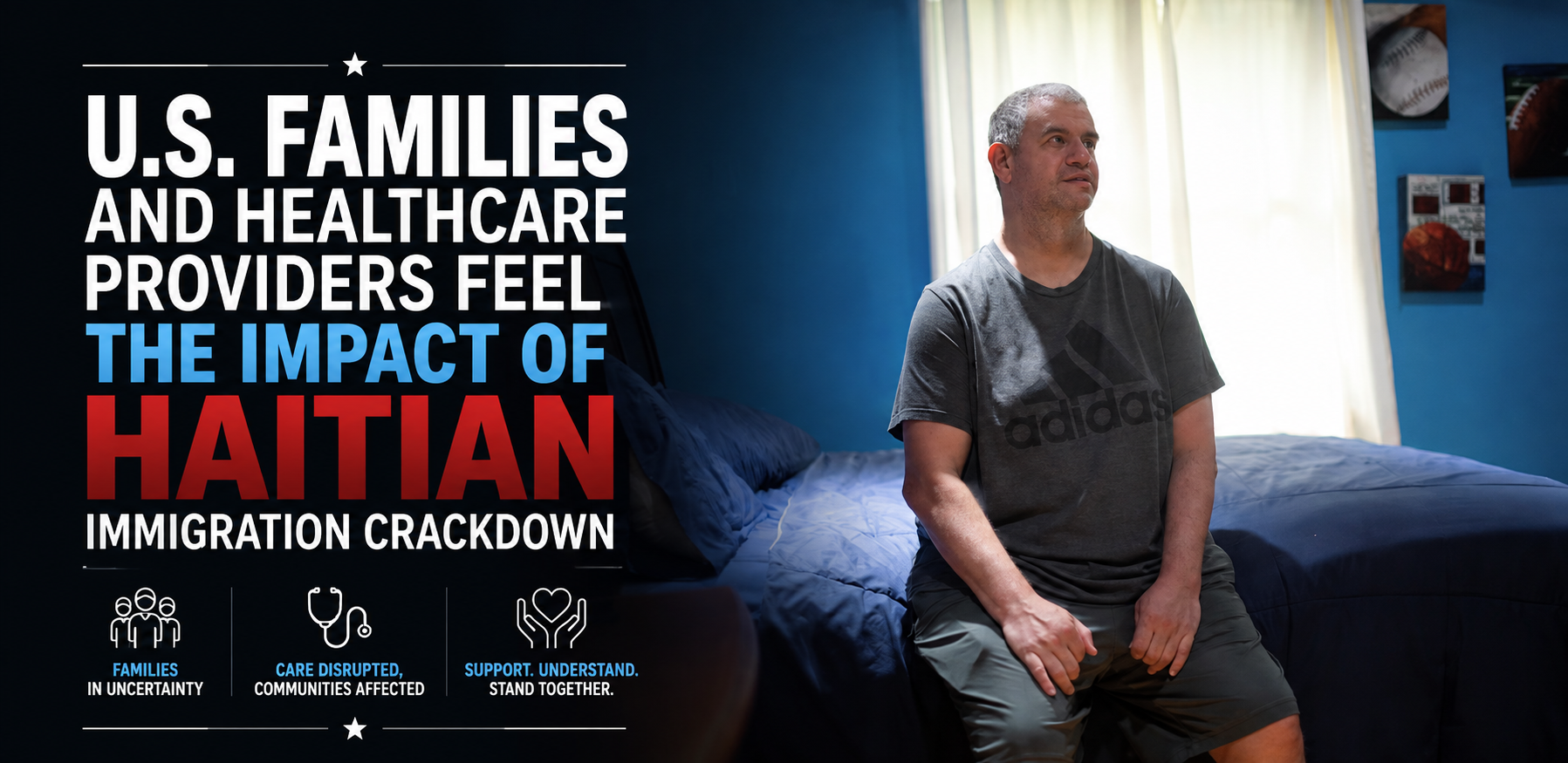
What's Happening
The Trump administration's decision to end Temporary Protected Status (TPS) for Haitian immigrants is creating significant staffing challenges for U.S. healthcare providers, particularly organizations that depend on Haitian caregivers, home health aides, and nursing assistants.
Healthcare providers across the country have begun losing experienced workers after thousands of Haitian immigrants lost their legal authorization to work in the United States. The staffing shortages are forcing some providers to reduce services, increase workloads for remaining employees, and ask family members to fill caregiving gaps. Approximately 21,000 Haitian TPS holders previously worked as caregivers and nursing assistants, providing care for more than 70,000 patients nationwide.
Why Healthcare Providers Are Concerned
Many Haitian immigrants worked in sectors already facing chronic labor shortages, including home healthcare, long-term care facilities, group homes for people with developmental disabilities, and nursing services. Healthcare organizations say replacing experienced caregivers is difficult because demand for workers already exceeds supply, with states like New York and Florida expected to feel the greatest impact.
Impact on Patients and Families
The staffing shortages are disrupting continuity of care for vulnerable patients, especially those who rely on trusted, long-term relationships with their caregivers. In some cases, organizations have been forced to lay off dozens of employees, leading families to step in and provide care themselves while providers search for replacement staff.
Industry Impact
- Healthcare Providers: Home health agencies, disability service organizations, and long-term care providers are facing increased staffing shortages, making it more difficult to meet growing patient demand.
- Patients: Older adults and people with disabilities may experience disruptions in care as providers struggle to replace experienced caregivers.
- Healthcare Workforce: The loss of thousands of trained caregivers adds pressure to an industry that has faced persistent workforce shortages since the COVID-19 pandemic.
- Public Health: Healthcare leaders warn that prolonged staffing shortages could reduce access to essential home- and community-based care, particularly for vulnerable populations.
Looking Ahead
Healthcare organizations and immigrant advocacy groups are urging policymakers to consider alternative legal pathways that would allow experienced caregivers to remain in the workforce. Meanwhile, providers continue recruiting replacement staff while attempting to maintain patient services despite ongoing workforce shortages. The long-term impact will depend on future immigration policy decisions and the healthcare industry's ability to fill critical caregiving roles.
Why This Matters
The U.S. healthcare system already faces significant shortages of caregivers, home health aides, and long-term care workers. The departure of thousands of experienced Haitian healthcare workers could place additional strain on providers caring for an aging population, making it more difficult for patients to access consistent, high-quality care while increasing operational challenges for healthcare organizations.
Key Takeaways
- The end of Temporary Protected Status for Haitians is reducing the U.S. healthcare workforce.
- About 21,000 Haitian caregivers and nursing assistants previously worked in U.S. healthcare settings.
- Healthcare providers report growing staffing shortages in home care and long-term care services.
- Patients and families are experiencing disruptions as experienced caregivers leave their jobs.
- Healthcare organizations are seeking solutions to address workforce gaps while maintaining patient care.
What This Means for Healthcare Marketers
The staffing challenges highlight the growing importance of workforce resilience, home healthcare, long-term care, and caregiver support across the U.S. healthcare system. Health systems, home health agencies, workforce management providers, staffing firms, and healthcare technology companies are increasingly investing in solutions that improve recruitment, retention, scheduling, and care coordination. For healthcare marketers, organizations involved in healthcare workforce management, home-based care, digital staffing solutions, and long-term care represent high-intent opportunities for provider education, operational support, and strategic partnerships.