
Michigan Confirms First Human Case of Rare Mosquito-Borne Disease Since 2021
What's Happening
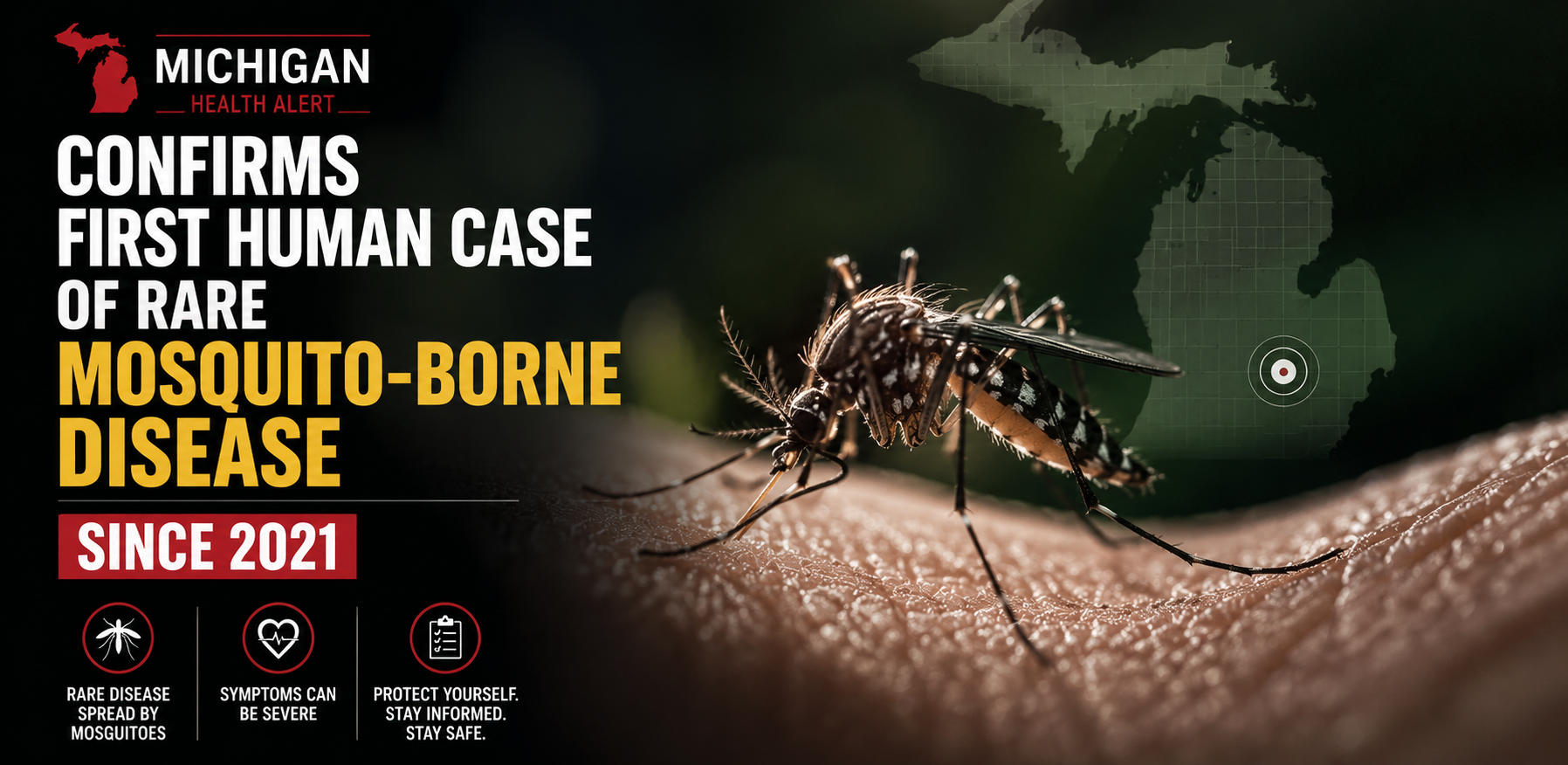
Michigan health officials have confirmed the state's first human case of Eastern Equine Encephalitis (EEE) since 2021, a rare but potentially life-threatening mosquito-borne disease. The infected individual is a resident of Roscommon County and is believed to have contracted the virus locally. State health officials said no prior evidence of EEE activity had been detected this year in Michigan's mosquitoes or animals before the human case was identified.
What Is Eastern Equine Encephalitis?
Eastern Equine Encephalitis is caused by a virus transmitted through the bite of infected mosquitoes. While many infected people develop no symptoms, severe infections can cause inflammation of the brain (encephalitis), leading to high fever, severe headache, vomiting, confusion, seizures, and coma. About 30% of people who develop encephalitis from EEE die, and many survivors experience permanent neurological damage.
Public Health Response
The Michigan Department of Health and Human Services (MDHHS) is increasing surveillance to determine whether additional human, mosquito, or animal infections are present. Officials are urging residents to reduce mosquito exposure by using EPA-registered insect repellents, wearing long sleeves and long pants outdoors, avoiding outdoor activities during peak mosquito hours at dusk and dawn, eliminating standing water, and ensuring window and door screens remain in good repair.
Industry Impact
- Public Health Agencies: State and local health departments are expanding mosquito surveillance and monitoring for additional EEE activity while informing communities about prevention measures.
- Healthcare Providers: Physicians are being encouraged to consider EEE in patients presenting with severe neurological symptoms during mosquito season, particularly in areas where the virus has been detected.
- Communities: Residents in affected regions are being advised to take extra precautions against mosquito bites, especially during late summer when mosquito activity is highest.
- Veterinary Health: Because horses are also highly susceptible to EEE, veterinary officials may increase monitoring and encourage horse owners to ensure animals are vaccinated against the disease.
Looking Ahead
Michigan health officials will continue testing mosquitoes, animals, and suspected human cases throughout the remainder of the mosquito season. Additional prevention measures could be implemented if further EEE activity is detected. Health officials emphasize that while human infections are uncommon, the severity of the disease makes early detection and mosquito bite prevention especially important.
Why This Matters
Although Eastern Equine Encephalitis is rare, it is among the deadliest mosquito-borne diseases in the United States. The confirmation of Michigan's first human case in five years serves as a reminder of the importance of mosquito surveillance, public awareness, and preventive measures to reduce the risk of infection during peak mosquito season.
Key Takeaways
- Michigan confirmed its first human case of Eastern Equine Encephalitis (EEE) since 2021.
- The patient is a resident of Roscommon County and likely acquired the infection locally.
- EEE is a rare mosquito-borne disease that can cause severe brain inflammation.
- Approximately 30% of patients with encephalitic EEE die, and survivors often have lasting neurological complications.
- Health officials are increasing surveillance and urging residents to protect themselves from mosquito bites.
What This Means for Healthcare Marketers
The confirmed EEE case highlights the continued importance of vector-borne disease surveillance, infectious disease preparedness, and seasonal public health education. Public health agencies, diagnostic laboratories, hospitals, infectious disease specialists, and mosquito control programs will continue investing in surveillance, rapid diagnosis, and community awareness initiatives. For healthcare marketers, organizations involved in infectious diseases, laboratory diagnostics, public health, epidemiology, and preventive medicine represent high-intent opportunities for provider education, public awareness campaigns, and population health communications.