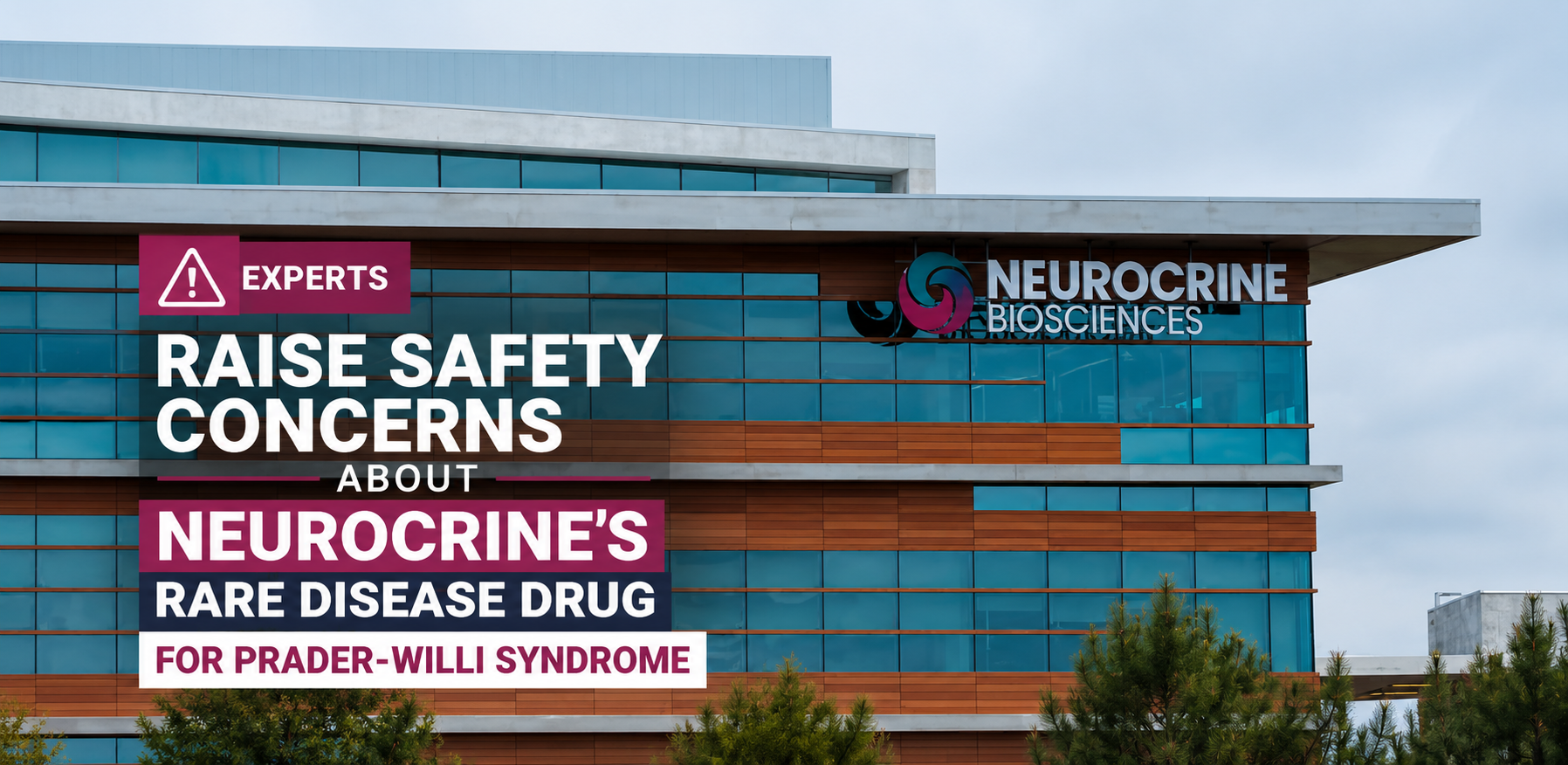
Experts Raise Safety Concerns About Neurocrine's Rare Disease Drug for Prader-Willi Syndrome
What's Happening
Medical experts and leading Prader-Willi syndrome advocacy organizations have raised safety concerns about Vykat XR, Neurocrine Biosciences' recently approved treatment for hyperphagia (intense, persistent hunger) associated with Prader-Willi syndrome.
In a joint statement, the Foundation for Prader-Willi Research and the International Prader-Willi Syndrome Organisation reported that serious adverse events have been observed through post-marketing surveillance since the drug became more widely available. Reported events include swelling (edema), respiratory complications, and cardiac complications.
The organizations noted that the FDA's Adverse Event Monitoring System had received seven reports of deaths involving patients taking Vykat XR as of July 31, while emphasizing that these reports do not establish that the drug caused the deaths. The FDA is reviewing the available safety data to determine whether regulatory action is needed.
Understanding Prader-Willi Syndrome
Prader-Willi syndrome is a rare genetic disorder caused by abnormalities involving chromosome 15.
One of its hallmark symptoms is hyperphagia, an overwhelming and persistent feeling of hunger that can lead to life-threatening obesity if left unmanaged.
Other common features include:
- Developmental delays.
- Low muscle tone.
- Intellectual disabilities.
- Hormonal abnormalities.
- Behavioral challenges.
Vykat XR became the first approved treatment specifically targeting hyperphagia in patients with Prader-Willi syndrome.
Why Experts Are Concerned
The patient advocacy organizations said post-marketing reports deserve close attention because of the severity of the reported events.
Among the concerns identified:
- Reports of edema (fluid retention).
- Respiratory complications.
- Cardiac complications.
- Seven reported deaths in patients receiving the drug.
- Frequent reports that the drug was ineffective in some patients.
The organizations stressed that these reports do not prove a causal relationship between Vykat XR and the reported outcomes. Instead, they called for increased transparency, careful patient selection, and closer monitoring while additional safety data are collected.
Neurocrine stated that it continues to believe Vykat XR has a favorable risk-benefit profile for patients with this serious disease and said it is working closely with the FDA, physicians, and patient advocacy groups to monitor post-marketing safety.
Industry Impact
- Pharmaceutical Companies: The situation highlights the importance of post-marketing safety surveillance, particularly for newly approved treatments targeting rare diseases.
- Healthcare Providers: Physicians treating Prader-Willi syndrome may increase patient monitoring and discuss potential risks with families while additional safety information is evaluated.
- Patients and Caregivers: Families are encouraged to continue working closely with healthcare providers rather than stopping treatment without medical guidance, as regulators continue reviewing the available evidence.
- Investors: The reports increased concerns about the drug's commercial launch, contributing to a decline in Neurocrine's share price as investors weighed the potential for additional regulatory scrutiny.
Looking Ahead
The FDA is reviewing post-marketing safety data to determine whether additional regulatory action, such as updated prescribing information or other safety measures, is warranted.
Neurocrine says it will continue monitoring adverse event reports while collaborating with regulators and the Prader-Willi community as more patients begin treatment with Vykat XR. Future findings will help determine whether any changes to the drug's safety profile are necessary.
Why This Matters
Rare disease therapies often reach patients with limited long-term real-world safety data because of the small size of clinical trials.
Post-marketing surveillance plays a critical role in identifying uncommon adverse events that may only emerge after broader use. The review of Vykat XR underscores the importance of continuous safety monitoring while ensuring patients continue to have access to potentially beneficial treatments.
Key Takeaways
- Experts raised safety concerns about Neurocrine's Vykat XR for Prader-Willi syndrome.
- Post-marketing reports include edema, respiratory complications, cardiac complications, and seven reported deaths.
- The reports do not establish that the drug caused these outcomes.
- The FDA is evaluating the available safety data to determine whether regulatory action is needed.
- Neurocrine continues to support the drug's risk-benefit profile while working with regulators and patient organizations.
What This Means for Healthcare Marketers
The safety review highlights the importance of post-marketing surveillance, rare disease management, pharmacovigilance, and regulatory transparency. Pharmaceutical companies, rare disease specialists, healthcare providers, and patient advocacy organizations continue working to balance treatment innovation with long-term safety monitoring. For healthcare marketers, organizations involved in rare diseases, specialty pharmaceuticals, drug safety, and medical affairs represent high-intent opportunities for physician education, scientific communications, patient support initiatives, and regulatory engagement.