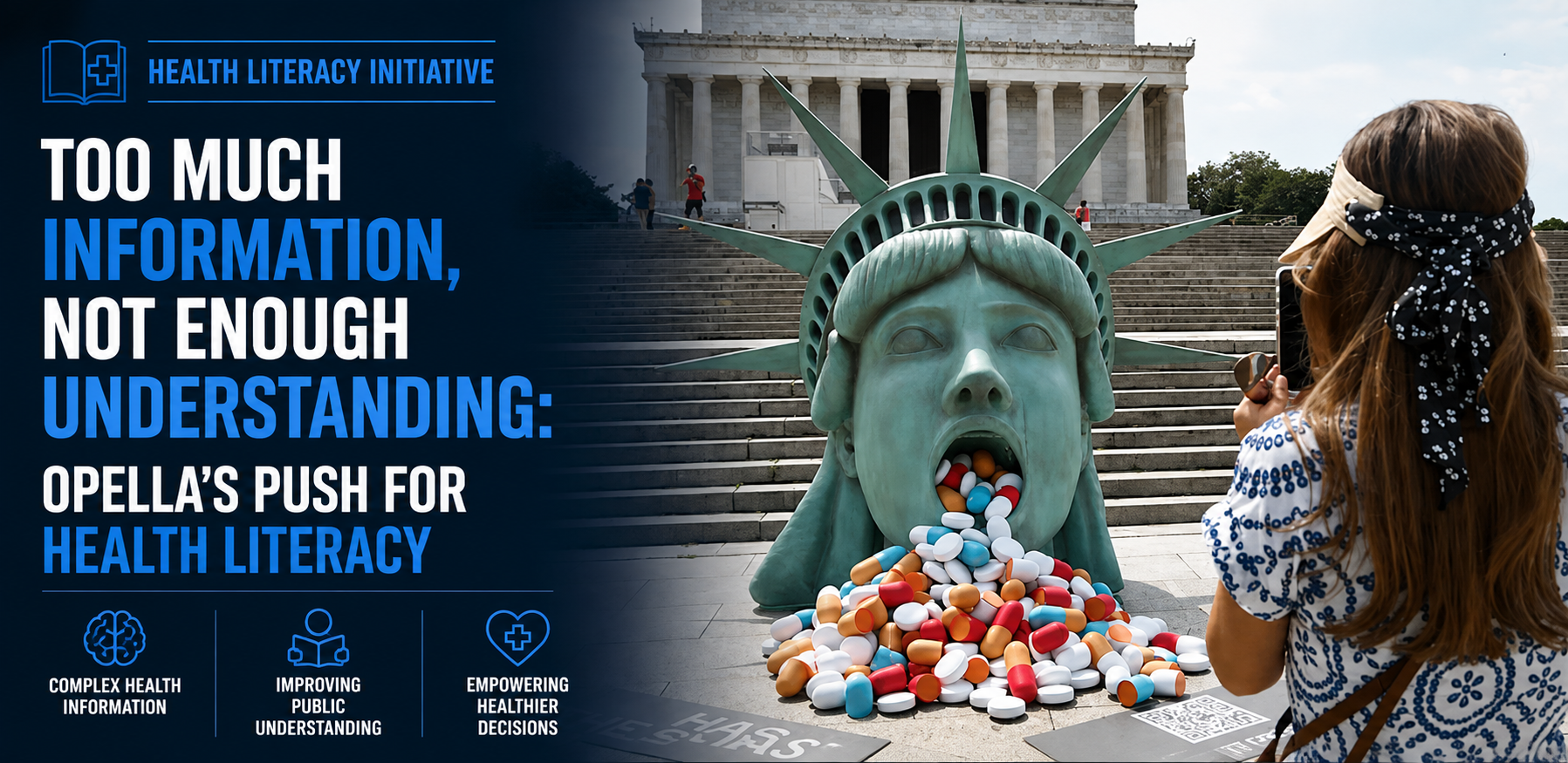
Too Much Information, Not Enough Understanding: Opella's Push for Health Literacy
What's Happening
Opella, the consumer healthcare company behind brands such as Sanofi's former consumer-health portfolio, is pushing for greater health literacy as consumers face an overwhelming amount of health information from social media, websites, advertising and AI chatbots.
The company argues that having more health information does not necessarily mean people are making better health decisions. In fact, information overload and misinformation can make it harder for consumers to understand symptoms, choose appropriate treatments or know when they actually need medical care. (Reuters)
According to Opella's research, four in five people lack confidence in making decisions about their own health. The company says this can contribute to unnecessary doctor visits and hospital use when people could potentially manage minor conditions themselves. (Reuters)
What Is Health Literacy?
Health literacy is essentially the ability to access, understand, evaluate and use health information to make appropriate decisions.
Opella's approach follows the World Health Organization's framework, which emphasizes four core abilities:
- Access relevant health information.
- Understand what that information means.
- Appraise whether the information is reliable and appropriate.
- Use the information to make decisions that support health. (Reuters)
This becomes increasingly important as consumers encounter health information through more channels than ever before.
The Problem With Information Overload
Consumers today receive health-related information from:
- Search engines.
- Social media.
- Online advertisements.
- Influencers.
- Healthcare websites.
- Traditional media.
- AI chatbots.
The sheer volume of information can make it difficult to distinguish useful medical guidance from misinformation or commercially motivated content.
Opella argues that simply giving consumers more information isn't enough. Information needs to be understandable and actionable. (Reuters)
What Opella Wants to Change
Opella says health literacy should begin with how healthcare products communicate with consumers.
Product Packaging
The company wants packaging and instructions to make essential information easier to find, including:
- What the product is for.
- How much to take.
- How frequently to use it.
- When it should be used.
- When a consumer should seek professional medical advice.
Advertising
Opella argues that healthcare advertising should do more than highlight the benefits of a product.
Advertising should also help consumers understand whether they need the product and how it should be used appropriately. (Reuters)
Pharmacists
The company is also working with pharmacists through a collaboration with the International Pharmaceutical Federation, aiming to strengthen the role pharmacists play in helping consumers interpret health information. (Reuters)
Why This Matters to the U.S. Healthcare System
Although Opella is a global consumer healthcare company and the initiative isn't exclusively U.S.-focused, the issue is highly relevant to the U.S. healthcare system.
Consumers increasingly turn to digital platforms and AI for answers about symptoms, medications and treatment options.
Poor health literacy can lead to:
- Delayed care.
- Incorrect self-treatment.
- Medication misuse.
- Unnecessary healthcare visits.
- Increased pressure on healthcare systems.
Improving people's ability to understand health information could therefore influence both consumer behavior and healthcare utilization.
Industry Impact
- Consumer Healthcare: OTC healthcare companies have an opportunity to help consumers make better-informed decisions about minor health conditions and self-care.
- Healthcare Providers: Better health literacy could help patients arrive at appointments with a clearer understanding of their symptoms and treatment options.
- Pharmacists: Pharmacists could play an increasingly important role as accessible sources of trusted health information.
- Digital Health & AI: As consumers increasingly use AI and digital platforms for health information, companies will face greater pressure to make health information accurate, understandable and responsibly presented.
The Business Challenge
There is also an interesting tension for consumer healthcare companies.
If better health literacy helps consumers understand that they don't need a particular product, sales could theoretically decline.
Opella acknowledges this possibility. The company argues that building long-term consumer trust is more valuable than maximizing short-term product sales. (Reuters)
That makes health literacy not just a public-health issue but also a question of long-term healthcare brand trust.
Looking Ahead
Opella has made health literacy part of its broader sustainability strategy and has committed to improving the health literacy of 50 million people annually. (Reuters)
The company will need to navigate differences in healthcare systems, regulation, language and access to care across markets.
But the underlying challenge is becoming increasingly universal: people have more health information available to them than ever before, while many still struggle to determine what information they can trust and how to act on it.
Why This Matters
This is a healthcare industry and health-related story, particularly relevant to consumer health and healthcare communications.
The shift from simply providing information to helping consumers understand and act on information correctly could become increasingly important as AI and digital media dramatically increase the amount of health content people encounter.
Key Takeaways
- Opella is making health literacy a central part of its sustainability strategy.
- Its research says four in five people lack confidence in managing their own health. (Reuters)
- Information overload and misinformation can make healthcare decisions more difficult.
- Opella wants clearer product packaging, advertising and pharmacist engagement.
- Its goal is to improve health literacy for 50 million people annually.
- The initiative reflects a broader healthcare shift toward helping consumers understand and evaluate health information, rather than simply giving them more of it. (Reuters)
What This Means for Healthcare Marketers
The story highlights a growing opportunity around health literacy, patient education, consumer healthcare, digital health and trusted health communication. As AI and social media become major sources of health information, healthcare brands will increasingly need to compete not just on visibility, but on their ability to make complex health information clear, credible and actionable.