
Planned Parenthood Must Face Texas Medicaid Fraud Lawsuit, U.S. Appeals Court Rules
What's Happening
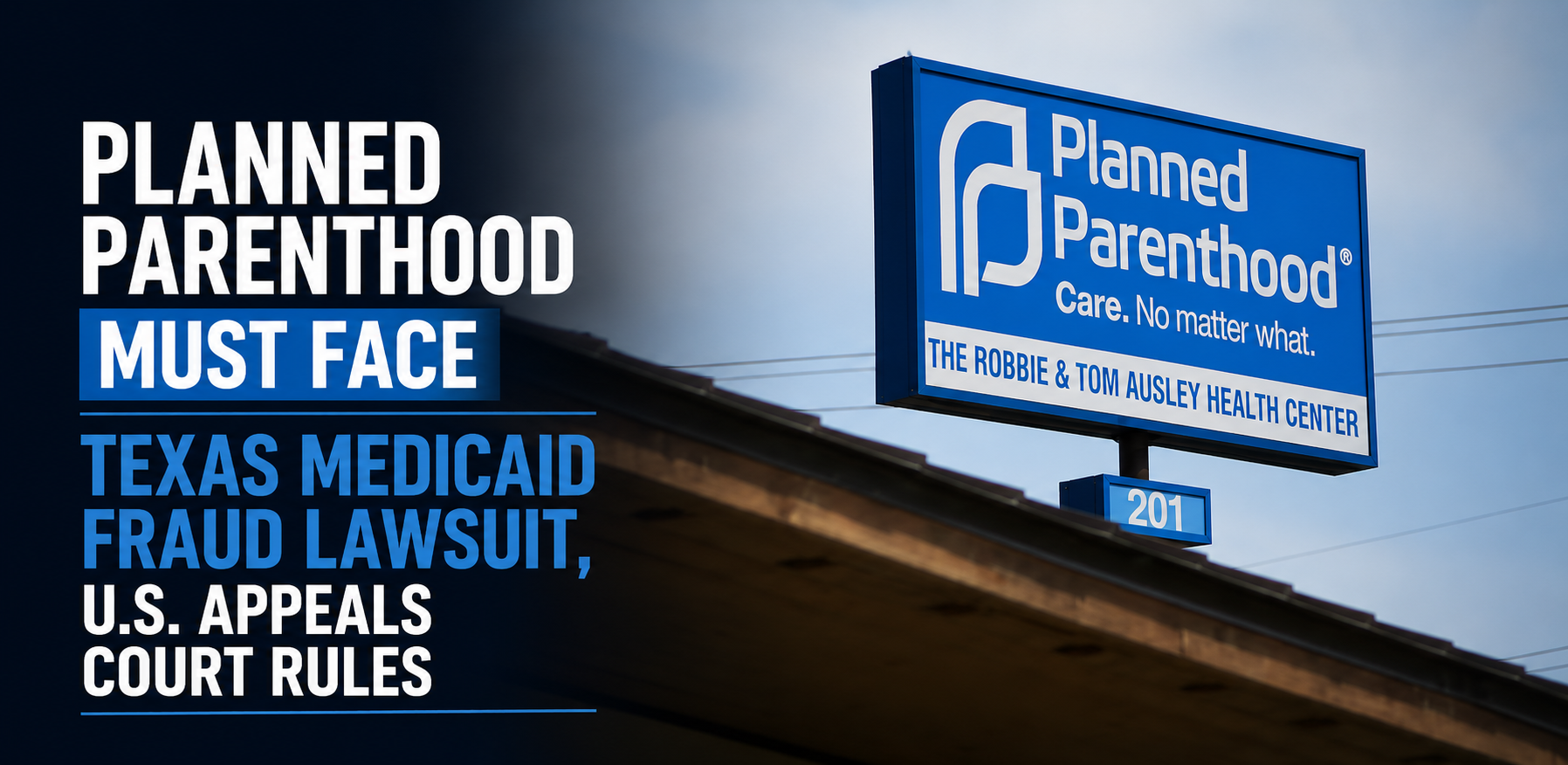
A U.S. federal appeals court has ruled that Planned Parenthood must continue defending against a $1.8 billion Medicaid fraud lawsuit brought by the state of Texas and an anonymous whistleblower.
The full 5th U.S. Circuit Court of Appeals unanimously ruled that Planned Parenthood could not immediately appeal a lower court's decision denying it immunity from the lawsuit. The decision lifts a nearly three-year pause in the case and allows it to move forward in federal district court.
Texas Attorney General Ken Paxton and the whistleblower allege that Planned Parenthood improperly continued billing the Medicaid programs in Texas and Louisiana after the states moved to terminate the organization's participation following investigations that began in 2015. Planned Parenthood denies the allegations and says its billing was lawful while the termination decisions were being challenged in court.
Background of the Case
The lawsuit stems from efforts by Texas and Louisiana to remove Planned Parenthood from their Medicaid programs after undercover videos released in 2015 prompted state investigations.
Although the states announced plans to terminate Medicaid participation, Planned Parenthood obtained court orders that delayed those actions for several years. During that period, the organization continued providing Medicaid-funded healthcare services and billing the programs.
Texas argues that Planned Parenthood should have stopped billing Medicaid and later refunded payments after the terminations became final. Planned Parenthood maintains that it acted legally because the court orders allowed it to continue participating while the litigation was ongoing.
What the Appeals Court Decided
The appeals court did not rule on whether Planned Parenthood committed fraud.
Instead, it ruled that Planned Parenthood's claim that its attorneys were immune from the lawsuit could not be reviewed at this stage of the litigation. As a result:
- The lawsuit will return to federal district court.
- Planned Parenthood must continue defending against the fraud claims.
- The underlying allegations remain unresolved.
The court's decision focuses solely on procedural issues and allows the case to proceed toward trial.
Industry Impact
- Healthcare Providers: The ruling underscores the financial and legal risks healthcare organizations face when disputes arise over Medicaid billing and reimbursement.
- Medicaid Programs: The case highlights the importance of compliance with Medicaid participation rules and could influence how providers manage billing during ongoing legal disputes.
- Healthcare Compliance: Healthcare organizations may review documentation, billing practices, and legal guidance when participating in government healthcare programs.
- Healthcare Policy: The lawsuit remains one of the largest Medicaid fraud cases involving a major healthcare provider and could influence future False Claims Act litigation involving healthcare organizations.
Looking Ahead
The case will now return to the U.S. District Court for the Northern District of Texas, where the underlying Medicaid fraud claims will be litigated.
If Texas ultimately prevails, Planned Parenthood has warned that the financial penalties could force it to shut down its operations in Texas. No determination has yet been made regarding liability or damages.
Why This Matters
False Claims Act cases involving Medicaid billing can have significant consequences for healthcare providers participating in government insurance programs.
The appeals court's decision does not determine whether fraud occurred, but it allows one of the nation's largest healthcare reimbursement disputes to move forward. The outcome could influence future Medicaid compliance, provider billing practices, and healthcare fraud enforcement.
Key Takeaways
- A federal appeals court ruled that Planned Parenthood must continue defending against Texas' $1.8 billion Medicaid fraud lawsuit.
- The court's decision addresses procedural issues and does not determine whether fraud occurred.
- Texas alleges Planned Parenthood improperly continued billing Medicaid after efforts to terminate its participation.
- Planned Parenthood denies wrongdoing and says it acted lawfully while court orders delayed the terminations.
- The case now returns to federal district court for further proceedings.
What This Means for Healthcare Marketers
The ruling highlights continued focus on Medicaid compliance, healthcare reimbursement, and False Claims Act enforcement. Health systems, healthcare compliance firms, revenue cycle management providers, legal services organizations, and payer-focused technology companies continue investing in tools that strengthen billing accuracy and regulatory compliance. For healthcare marketers, organizations involved in Medicaid administration, healthcare compliance, reimbursement solutions, and revenue cycle management represent high-intent opportunities for provider education, compliance support, and strategic engagement.