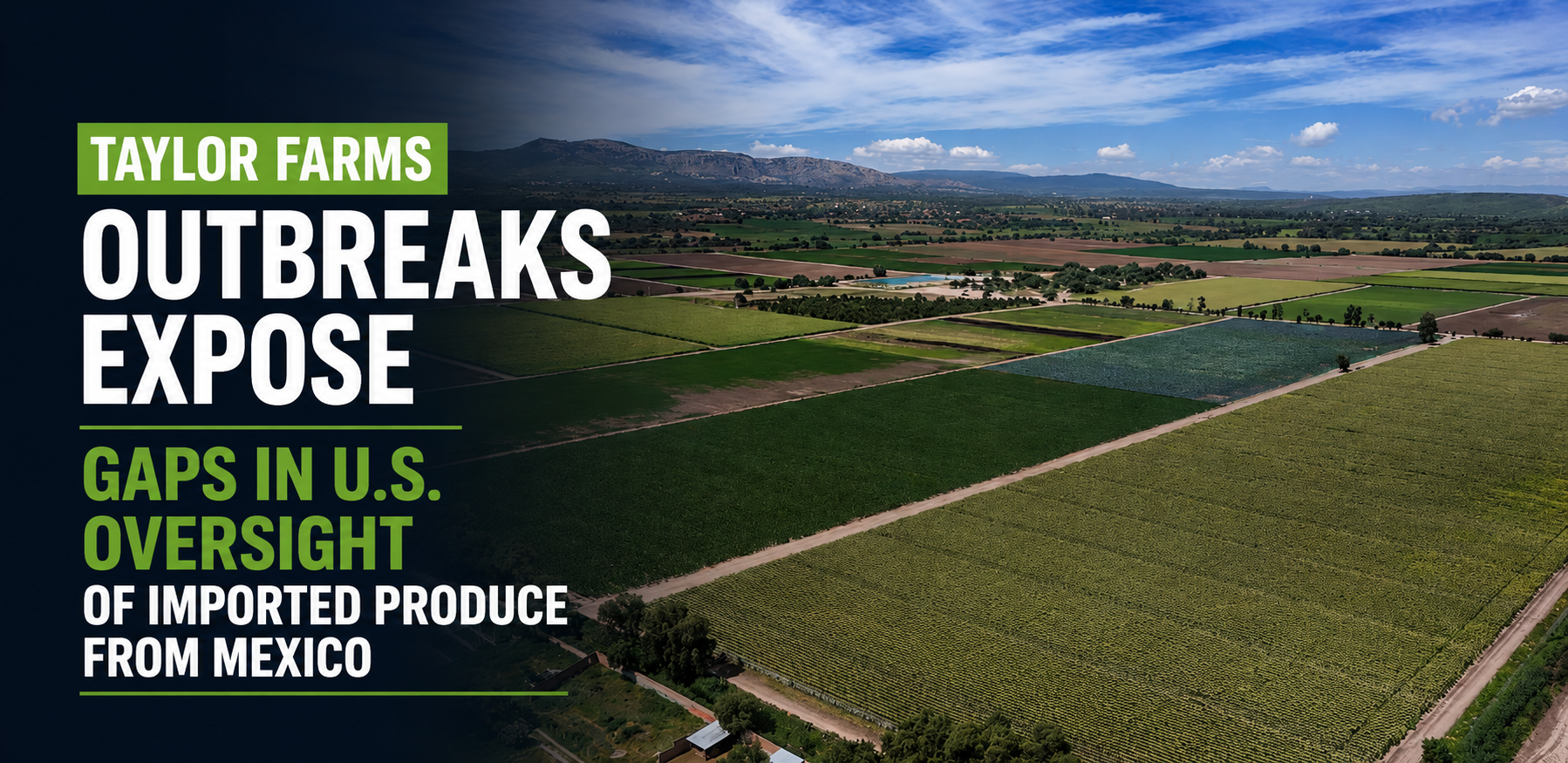
Taylor Farms Outbreaks Expose Gaps in U.S. Oversight of Imported Produce from Mexico
What's Happening
Two major foodborne illness outbreaks linked to produce supplied by Taylor Farms have highlighted weaknesses in the United States' ability to monitor the safety of imported fruits and vegetables from Mexico.
The outbreaks involved Cyclospora-contaminated iceberg lettuce and Salmonella-contaminated jalapeños, together sickening thousands of people across multiple states and prompting recalls by retailers including Whole Foods, Walmart, and other grocery chains. The incidents have intensified concerns about whether current U.S. food safety oversight is keeping pace with the country's growing reliance on imported produce.
Why Oversight Is Under Pressure
The analysis points to several trends contributing to the challenge:
- Mexico now supplies more than 20% of all U.S. food imports, with produce imports increasing dramatically over the past three decades.
- FDA staffing has declined significantly in recent years.
- Foreign food facility inspections fell by approximately 13% in 2025.
- Fewer inspectors are responsible for overseeing an expanding volume of imported food products.
Experts interviewed said these factors make it more difficult to identify contamination before products reach consumers.
The Recent Outbreaks
The article highlights two major incidents involving Taylor Farms:
- Cyclospora Outbreak: Linked to iceberg lettuce processed in central Mexico, sickening thousands across multiple U.S. states, resulting in two reported deaths among individuals with underlying conditions, and triggering one of the largest foodborne illness investigations in recent U.S. history.
- Salmonella Outbreak: Linked to jalapeño peppers sourced from Mexico, prompting recalls of salsa, guacamole, and prepared foods sold by several major retailers, and leading to hundreds of illnesses and dozens of hospitalizations nationwide.
Although Taylor Farms has suspended sourcing from the implicated farms and implemented additional safety measures, the outbreaks have raised broader questions about oversight of imported produce rather than focusing solely on one supplier.
Industry Impact
- Food Manufacturers and Importers: Produce suppliers may face increased scrutiny of food safety practices, supplier verification, and traceability systems.
- Public Health Agencies: The FDA and CDC are expected to continue strengthening surveillance, outbreak investigations, and coordination with Mexican regulators to improve food safety oversight.
- Healthcare Providers: Clinicians and laboratories continue playing an important role in identifying foodborne illness outbreaks through timely diagnosis and reporting.
- Consumers: The outbreaks have reduced consumer confidence in certain fresh produce categories, highlighting the importance of rapid recalls and transparent public health communication.
Looking Ahead
Food safety experts say preventing similar outbreaks will likely require stronger collaboration between U.S. and Mexican regulators, expanded inspection capacity, improved supply chain traceability, and broader adoption of preventive food safety practices.
As imports continue to grow, regulators will face increasing pressure to modernize surveillance systems capable of identifying contamination before products enter the U.S. market.
Why This Matters
The Taylor Farms outbreaks illustrate how globalization has made food supply chains more complex while increasing the importance of effective cross-border food safety oversight.
The incidents underscore the need for robust inspection programs, modern traceability systems, and coordinated public health responses to reduce the risk of future foodborne illness outbreaks and protect consumer confidence.
Key Takeaways
- Two major Taylor Farms-linked outbreaks exposed challenges in overseeing imported produce from Mexico.
- The incidents involved Cyclospora-contaminated lettuce and Salmonella-contaminated jalapeños.
- Growing produce imports and reduced inspection capacity have increased pressure on U.S. food safety oversight.
- Experts say stronger inspections, traceability, and international coordination are needed to reduce future risks.
- The outbreaks highlight the importance of resilient food safety systems across the entire supply chain.
What This Means for Healthcare Marketers
The outbreaks reinforce the importance of food safety, public health surveillance, laboratory diagnostics, and supply chain transparency. Public health agencies, diagnostic laboratories, food manufacturers, regulatory technology providers, and healthcare analytics organizations continue investing in systems that improve outbreak detection and food traceability. For healthcare marketers, organizations involved in food safety, laboratory testing, epidemiology, regulatory compliance, and public health represent high-intent opportunities for provider education, scientific communications, and population health initiatives.