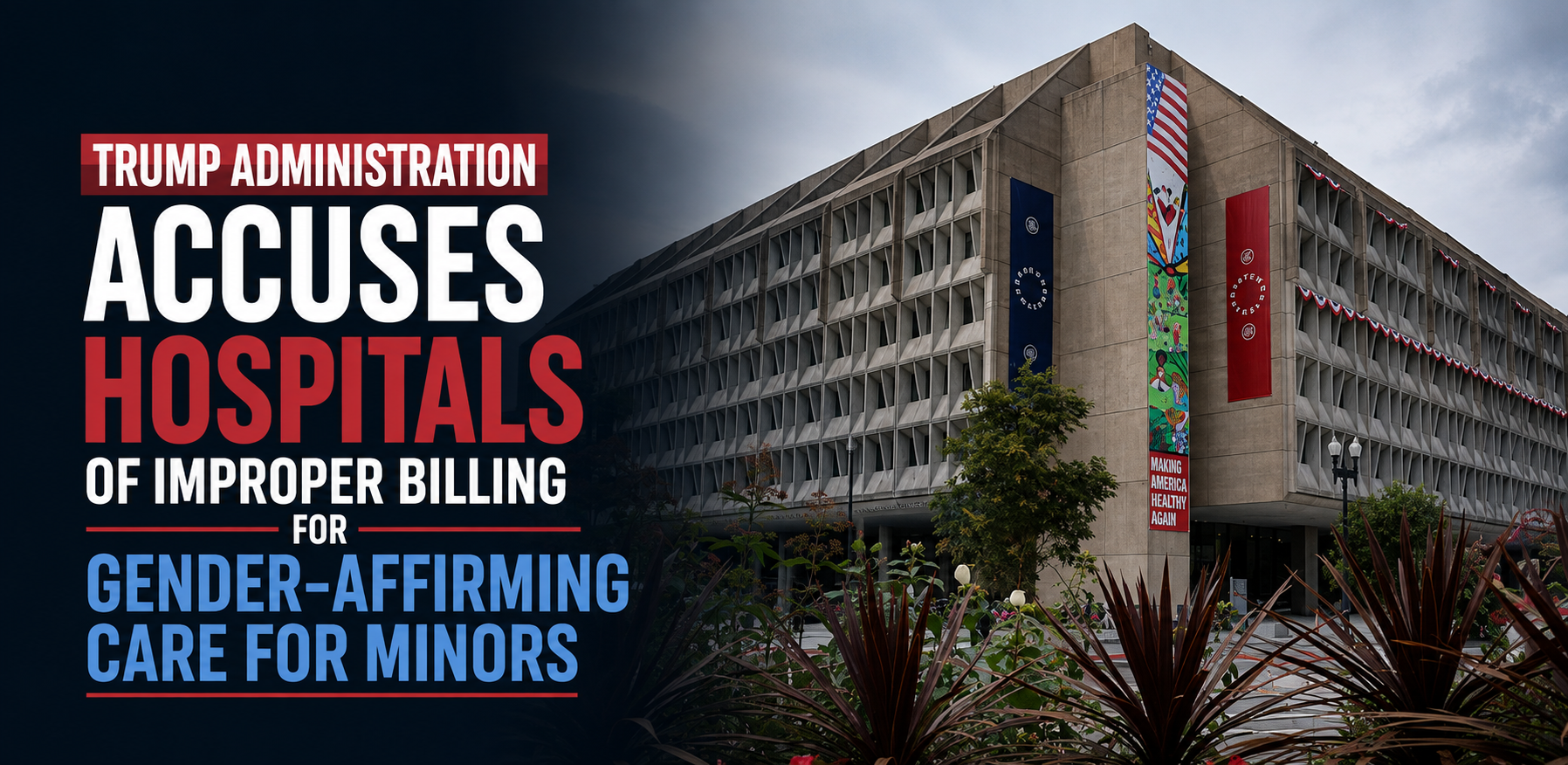
Trump Administration Accuses Hospitals of Improper Billing for Gender-Affirming Care for Minors
What's Happening
The Trump administration has accused several U.S. hospitals and healthcare providers of improperly billing public and private health insurance programs for gender-affirming care provided to minors.
The U.S. Department of Health and Human Services (HHS) released a report alleging that some hospitals submitted insurance claims using broad or alternative medical diagnoses, such as endocrine disorders or early puberty, instead of gender dysphoria when billing for treatments including puberty blockers and hormone therapy. HHS has referred the findings to its Office of Inspector General and the U.S. Department of Justice for further review.
The administration says the report is part of a broader effort to investigate healthcare billing practices and ensure compliance with federal reimbursement rules.
What the Report Alleges
According to HHS, some healthcare providers may have:
- Used diagnosis codes that did not accurately reflect the medical services provided.
- Received reimbursements for treatments under diagnoses other than gender dysphoria.
- Submitted claims to both public and private insurers using coding practices that warrant further investigation.
The report estimates that hospitals billed nearly $120 million for gender-affirming care for minors since 2019 using these coding practices, citing an analysis by the medical advocacy group Do No Harm.
HHS emphasized that the referrals are intended to determine whether any federal healthcare billing laws were violated.
Response from Hospitals
Hospitals named in the report disputed or declined to comment on the allegations.
Boston Children's Hospital said it is reviewing the report, while other organizations have not publicly responded. The American Hospital Association also declined to comment on the findings.
Supporters of gender-affirming care maintain that such treatments are medically appropriate for some patients and argue that providers follow established clinical coding and billing standards.
Industry Impact
- Healthcare Providers: Hospitals and physician groups providing gender-affirming care may face increased scrutiny of billing practices and documentation requirements.
- Health Insurers: Public and private insurers could increase audits of claims involving gender-affirming care and review reimbursement policies.
- Regulators: Federal agencies may expand investigations into healthcare billing practices if additional evidence of improper reimbursement is identified.
- Healthcare Compliance: The report highlights the growing importance of coding accuracy, documentation, and regulatory compliance across healthcare organizations.
Looking Ahead
The Office of Inspector General and the Department of Justice are expected to review the referrals and determine whether further investigations or enforcement actions are warranted.
The findings may also influence future federal guidance on medical coding, reimbursement policies, and oversight of healthcare providers participating in Medicare, Medicaid, and other federally funded programs.
Why This Matters
Medical coding and billing accuracy play a central role in healthcare reimbursement and regulatory compliance.
The administration's report underscores how disputes over billing practices can have significant operational, financial, and legal implications for healthcare organizations while shaping broader discussions about oversight of federally funded healthcare services.
Key Takeaways
- HHS accused several hospitals of improper billing related to gender-affirming care for minors.
- The report alleges some providers used alternative diagnosis codes when seeking reimbursement.
- The findings have been referred to the HHS Office of Inspector General and the Department of Justice.
- Hospitals may face increased scrutiny of coding, billing, and reimbursement practices.
- The case highlights the importance of healthcare compliance and accurate medical documentation.
What This Means for Healthcare Marketers
The investigation highlights continued attention on healthcare compliance, reimbursement integrity, medical coding, and regulatory oversight. Health systems, revenue cycle management providers, healthcare consulting firms, compliance technology companies, and payer organizations will closely monitor any changes to billing requirements and enforcement priorities. For healthcare marketers, organizations involved in healthcare compliance, revenue cycle management, coding solutions, and regulatory services represent high-intent opportunities for provider education, compliance support, and strategic engagement.